
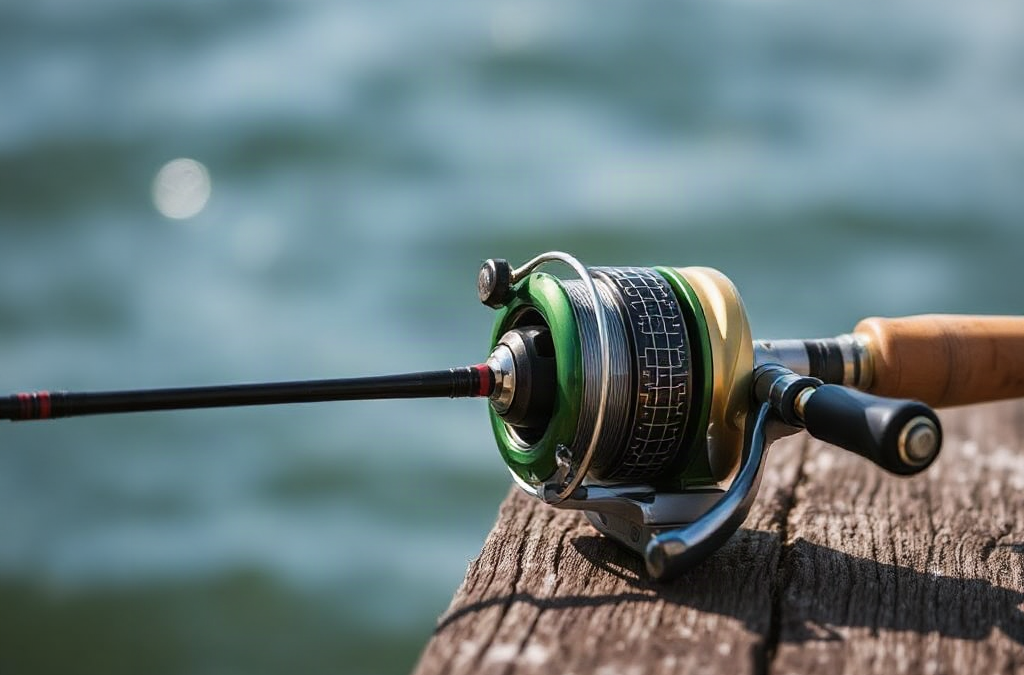
How to select the right tackle for specific fishing styles starts with matching the rod, reel, line, and terminal setup to the species, presentation, water, and casting distance. Choose a rod by lure weight and action, a reel by retrieve and drag demands, and line by cover, depth, stretch, and abrasion risk. A light spinning outfit suits small lures and finesse presentations, while baitcasting tackle offers control for heavier lures and accurate placement around cover. Surf and saltwater setups need corrosion resistance and enough capacity for long runs. Avoid buying a powerful outfit for every situation; oversized tackle can reduce lure control, tire the angler, and make subtle bites harder to detect.
What you’ll learn
This guide covers the following practical points:
- Match Tackle to the Fishing Style — The most reliable tackle decisions begin with the presentation rather than the brand or price.
- Choose the Rod Before the Reel — The rod controls casting behavior, lure presentation, hook-setting leverage, and much of the feedback transmitted from the line.
- Balance Reel, Line, and Terminal Tackle — The reel should complement the rod’s working range.
- Build Setups for Common Fishing Scenarios — Freshwater finesse fishing usually rewards balance and casting control.
Match Tackle to the Fishing Style
The most reliable tackle decisions begin with the presentation rather than the brand or price. A rig for casting small trout spinners from a stream has different demands from one used to pitch jigs into heavy bass cover, troll offshore, or cast bait from a beach. The lure or bait weight, retrieve speed, hook size, cover, target species, and expected fish size determine how much power and control the outfit needs.
Fishing style also determines how often the angler casts and how much precision matters. A lightweight spinning outfit is forgiving for repeated casts, light line, and compact lures. A baitcasting setup can offer better thumb control and lure placement once the angler is comfortable managing spool tension and braking. Neither is universally superior. Spinning tackle is usually easier for beginners and finesse work, while baitcasting tackle becomes attractive when heavier lures, stronger line, and accurate casts around vegetation or timber are priorities.
Before shopping, write down the actual conditions instead of choosing from a vague label such as “all-purpose.” Note whether the setup will be used from shore, a boat, a pier, or a riverbank; whether the lure is usually below or above one ounce; and whether fish can reach rocks, weeds, docks, or submerged wood. Those details expose the tradeoff between sensitivity, casting comfort, lifting power, and durability. An outfit that feels excellent in open water may be frustrating in dense cover.
A useful starting point is to connect each decision to a failure you want to avoid. Too-light tackle may break under sudden pressure or leave insufficient control near cover. Too-heavy tackle can make a small bait cast poorly and may overpower light hooks. The goal is not maximum strength. It is a balanced system that loads correctly during the cast, protects the line, sets the hook efficiently, and keeps steady pressure through the fight.

Readers comparing several approaches can use how to select the right tackle for specific fishing styles as a reference point, but the final choice should reflect a specific technique and environment.
Choose the Rod Before the Reel
The rod controls casting behavior, lure presentation, hook-setting leverage, and much of the feedback transmitted from the line. Length affects casting distance and line control: a longer rod can send a lure farther and manage line over current or vegetation, while a shorter rod is easier to maneuver around brush, boat consoles, and tight banks. Power describes how much force the blank takes to bend, whereas action describes where that bend occurs.
Medium-light power with a fast action often fits light jigs, small soft plastics, and many freshwater finesse applications. Medium or medium-heavy power is more suitable for larger moving baits, heavier hooks, and general bass work. A moderate action bends farther down the blank and may help keep treble-hooked fish connected during a crankbait fight. A fast action transfers force quickly for single-hook presentations, but it can be less forgiving when a fish surges beside the boat.
Use the manufacturer’s lure and line ratings as a starting range, not a promise that every listed combination will feel equally good. A rod rated for a broad range may handle both a small lure and a heavy one, yet it will usually perform best near the middle of that range. For example, a rod rated for one-quarter to three-quarters of an ounce may feel underloaded with a tiny lure and strained with the heaviest listed weight when repeated casting is involved.
Grip comfort and balance matter during long sessions. A tip-heavy rod can create fatigue even when its specifications appear appropriate. Check whether the reel seat, handle length, and blank balance suit the way the rod will be held. Bank anglers often benefit from reach and line control, while kayak anglers may value a shorter, less awkward blank. A common mistake is choosing length from casting-distance claims alone and ignoring cramped casting angles or the need to steer fish away from obstacles.
When a style involves repeated contact with structure, prioritize controlled power and a dependable drag rather than extreme sensitivity. When the style involves subtle bites in open water, a lighter, more responsive blank may be worth the reduced lifting strength. The right rod is the one whose bend matches the hooks, lure, and expected fight—not simply the stiffest model available.
Balance Reel, Line, and Terminal Tackle
The reel should complement the rod’s working range. Spinning reels are practical for light line, small lures, and casts that require minimal mechanical adjustment. Their open spool releases line easily, although poor line management, overfilling, or loose loops can create wind knots. Baitcasting reels provide direct spool control and are useful for heavier lures and precise casting, but braking settings, spool tension, and thumb control must match lure weight and wind.
Gear ratio affects retrieve speed, but a higher number is not automatically better. A fast retrieve can quickly pick up slack for topwater work or moving a lure across water, while a slower retrieve may provide better control over deep-diving or resistance-heavy baits. Drag quality and capacity matter more when a fish can make long runs. A small reel with limited line capacity is a poor match for extended surf casts or powerful saltwater species, even if its retrieve feels smooth in a shop.
Line selection should follow cover and presentation. Monofilament offers stretch and buoyancy that can suit some topwater and treble-hook applications. Fluorocarbon is denser and relatively abrasion resistant, making it useful for certain subsurface presentations and clearer water, though stiffness can complicate light spinning setups. Braided line provides strength for its diameter and transmits contact well, but it may require a leader where abrasion or visibility is a concern.
Terminal tackle must not become the weak link. Match hook wire and size to the bait and fish rather than assuming a larger hook is safer. A heavy hook can damage a small bait’s action, while an undersized hook may straighten or fail to hold securely. Swivels, snaps, knots, and leader material should be checked for damage after contact with rocks, docks, or toothy fish.
A practical setup might pair a medium-light spinning rod with a compact reel, light braid, and a suitable leader for finesse fishing in open water. Around thick vegetation, a stronger rod, heavier braid, and a hook designed for weedless rigging may be more appropriate. The mistake is copying line strength from another angler without copying the habitat; line that works over clean bottom may fail quickly around sharp cover.
Build Setups for Common Fishing Scenarios
Freshwater finesse fishing usually rewards balance and casting control. Small soft plastics, hair jigs, and lightweight spinners need a rod that loads with modest weight, a reel that lays light line evenly, and a drag that protects delicate connections. A long leader or bulky knot can reduce casting smoothness. If the lure lands softly but bites are difficult to detect, a slightly more responsive rod or reduced slack may help; increasing power dramatically is usually an unnecessary first move.
Bass fishing around docks, grass, and timber calls for a different compromise. Single-hook lures and fish that must be turned away from cover justify more backbone. A medium-heavy baitcasting outfit may suit heavier jigs or Texas-rigged plastics, while a moderate-action rod can be preferable for crankbaits with treble hooks. Using one stiff rod for both can cause missed fish: it may pull a treble hook free and still lack the specialized casting feel of a lighter finesse setup.
Fly fishing places the emphasis on line weight, leader design, and casting mechanics rather than lure weight. The rod is matched primarily to the fly line and the size of flies and fish. A delicate stream presentation calls for a different leader and tippet approach from casting larger streamers in wind. Beginners often blame the rod when the real problem is an overly long leader, poorly matched line, or a fly that exceeds the outfit’s comfortable casting range.
Surf and saltwater fishing add distance, wind, corrosion, and prolonged runs. A surf rod needs enough length and power for the intended sinker and bait, but excessive length can reduce handling comfort and make repeated casts tiring. Saltwater reels should be rinsed and maintained according to the manufacturer’s instructions; corrosion resistance is a practical requirement, not a decorative feature. Pier and boat anglers may need shorter rods than surf anglers because clearance and fish-handling angles differ.

Use this compact priority order when several options seem plausible:
- First: match lure or bait weight and hook style to rod power and action.
- Second: match line and drag to cover, abrasion, depth, and fish behavior.
- Third: match reel capacity and retrieve to casting distance and lure resistance.
- Fourth: account for comfort, transport, corrosion exposure, and maintenance.
That order prevents a common purchasing error: selecting a reel for appearance or gear ratio before confirming that the rod can cast the intended presentation.
Test and Refine the Outfit
A tackle combination should be judged on the water, because specifications cannot reveal every balance or control issue. Load the rod with the lure weight you actually use, make several casts, and notice whether the blank loads smoothly or feels unresponsive. Check whether the reel produces loose loops, whether the handle remains comfortable after repeated retrieves, and whether the line exits cleanly under pressure.
Signs of a good match include consistent lure distance, controlled trajectory, reliable hook penetration, and enough reserve power to guide a fish without forcing the tackle beyond its intended range. Signs of a poor match include a lure that never loads the rod, frequent tangles, a drag that starts unevenly, or a blank that bottoms out when pressure increases. Change one variable at a time so you can identify whether the problem comes from line diameter, lure weight, leader length, or rod action.
Keep a simple record after each trip: technique, lure weight, line type, cover, casting comfort, missed-bite pattern, and any damaged component. If a spinning reel repeatedly develops loops with light braid, examine spool fill and line tension before replacing the reel. If a crankbait outfit loses fish during close-range surges, a softer action or adjusted drag may be more useful than heavier line.
Budget constraints favor versatile tackle, but versatility has limits. A medium-power spinning outfit can cover many freshwater situations, yet it will not replace a dedicated heavy-cover setup or a saltwater outfit built for corrosion and capacity. Buy the setup that serves the technique you use most, then add specialized tackle when a clear limitation appears. This avoids owning several poorly matched combinations that each perform only marginally.
For a second planning reference, consult how to select the right tackle for specific fishing styles alongside the specifications for the exact rod, reel, and line models under consideration. Manufacturer ratings, local conditions, and actual lure weights should agree before purchase.
Frequently Asked Questions
Should beginners choose spinning or baitcasting tackle?
Spinning tackle is usually the easier starting point for light lures, windy conditions, and straightforward casting. Baitcasting tackle becomes useful when heavier lures, precise placement, and spool control are central to the technique.
How do rod power and action differ?
Power describes the force needed to bend the rod, while action describes where the bend occurs. Power influences lifting and hook-setting force; action influences casting feel, lure control, and how pressure is distributed during a fight.
Is braided line suitable for every fishing style?
No. Braid is useful when low diameter and strength are priorities, but abrasion, visibility, knot choice, and lure behavior may favor monofilament or fluorocarbon in particular situations.
Why does a lure feel difficult to cast with a new rod?
The lure may be outside the rod’s most comfortable loading range, or line diameter and reel settings may be mismatched. Test a lure closer to the middle of the stated rating before changing the entire outfit.
How much should saltwater use affect tackle choice?
Saltwater use increases the need for corrosion-resistant components, suitable line capacity, reliable drag performance, and careful rinsing and maintenance. A freshwater reel may not tolerate repeated exposure as well as a purpose-suited saltwater model.
Additional Resources
Authoritative Sources
- Academy of Nutrition and Dietetics
eatright.orgProfessional nutrition guidance, healthy eating resources, and practical dietitian-reviewed advice.
- U.S. Department of Agriculture
usda.govOfficial food, nutrition, agriculture, and consumer guidance from the USDA.
- NIH Office of Dietary Supplements
ods.od.nih.govResearch-based fact sheets on nutrients, supplements, dietary intake, and safety considerations.
Conclusion
Effective tackle selection comes from matching the entire system to the presentation and environment. Begin with lure or bait weight, hook style, cover, casting distance, and expected fish size; then choose rod power and action, reel capacity and retrieve, line construction, and terminal components as connected decisions. A light outfit improves control for small presentations, while heavier tackle earns its place around structure, strong current, large baits, or powerful fish. Test the combination with the equipment you will actually fish, and treat tangles, poor lure loading, lost hooks, or fatigue as evidence that something needs adjustment. Prioritize a dependable, comfortable setup for your main style before buying specialized gear for occasional techniques.
For model-specific lure, line, drag, and maintenance details, consult the manufacturer’s official specifications and care instructions, then compare them with guidance from recognized angling organizations or local fisheries agencies. Those sources are more useful than generic ratings when conditions involve saltwater corrosion, unusual species, or specialized casting equipment.

