
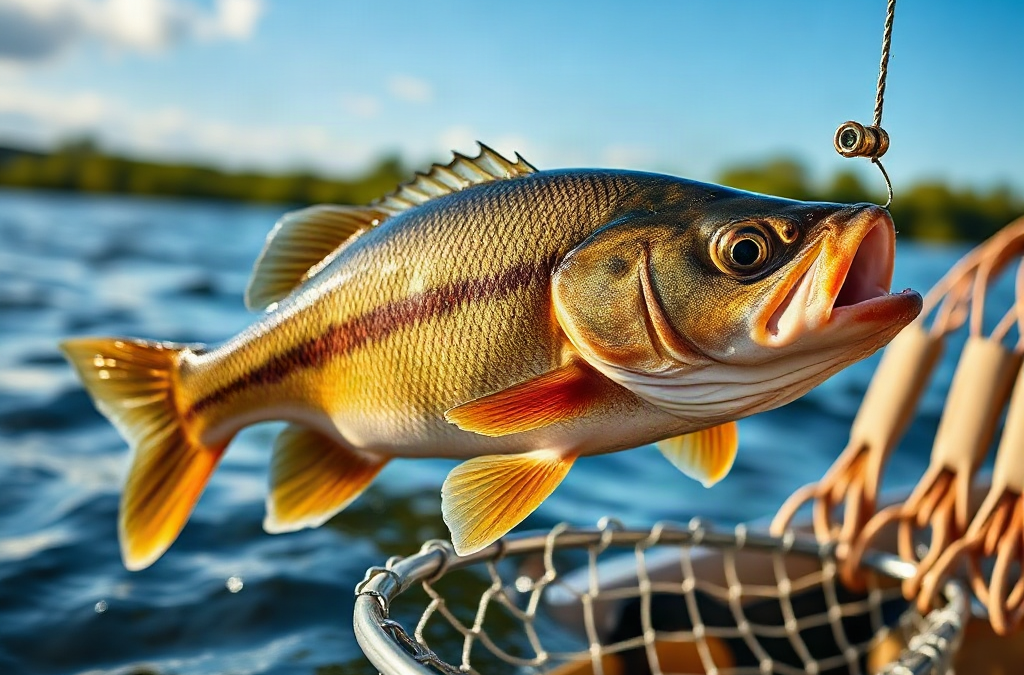
When fish are hitting but not taking the bait, first determine whether they are missing, inspecting, or rejecting the presentation, then slow the retrieve, reduce the bait size, and change its position before abandoning the spot. Short taps often mean the bait is moving too quickly or sitting outside the feeding zone, while follows without strikes can point to an unnatural profile, color, or line presence. Check the hook point, remove excess bait that hides it, and make several casts at different angles. If the fish continue to bump rather than commit, switch to a smaller or more natural offering and give the area a brief rest.
What you’ll learn
This guide covers the following practical points:
- Read the Difference Between a Hit, Follow, and Rejection — Fish activity near the bait does not always mean the fish are committed to eating it.
- Fix Bait Presentation Before Changing the Fishing Spot — Bait presentation is the first adjustment because fish often reveal that they are close enough to evaluate the offering.
- Use Hook, Line, and Bait Adjustments That Produce Better Connections — Equipment can turn cautious interest into missed fish.
- Apply a Step-by-Step Reset When Fish Keep Missing — A controlled reset prevents frustration from turning into constant switching.
Read the Difference Between a Hit, Follow, and Rejection
Fish activity near the bait does not always mean the fish are committed to eating it. A sharp tap, a visible follow, a swirl behind the offering, and a fish that grabs then releases each point to a different problem. Treating every contact as the same can lead to random lure changes when the real issue is speed, depth, hook exposure, or the fish’s level of caution.
A solid strike usually produces a distinct load on the rod or a clear movement of the line. Repeated light taps may indicate that smaller fish are nipping at the bait, that the hook is hidden, or that the offering is too large to engulf. A fish that tracks the bait to the boat but turns away is often reacting to an unnatural movement or seeing something it does not like. Clear water, bright skies, fishing pressure, and calm conditions can make this inspection behavior more obvious.
Watch what happens immediately before and after each contact. If the fish touch the bait only during a fast retrieve, slow it down and add pauses. If they appear below it, count the bait down farther or present it on a lighter jig head. If they strike only as the bait rises, the fish may be feeding upward and the retrieve should preserve that lift rather than keeping the offering close to the bottom.
Do not assume that more aggressive movement will force a bite. A highly active fish may still reject a bait that looks too large or moves outside its feeding lane. Conversely, an inactive fish may need a subtle movement change rather than an entirely new bait. Keeping notes about the direction of the hit, water depth, retrieve speed, and light level gives you a more useful pattern than simply counting missed strikes.

Fix Bait Presentation Before Changing the Fishing Spot
Bait presentation is the first adjustment because fish often reveal that they are close enough to evaluate the offering. Change one presentation variable at a time so you can identify what restored interest. Start with retrieve speed, then test a pause, a different depth, and a new casting angle. A smaller bait can help, but it is not automatically the best first move if the fish are simply seeing the bait above or below their feeding zone.
For soft plastics, inspect the rigging. A body threaded at an angle may roll, twist, or produce a side-to-side movement that does not match the target species’ normal prey. Re-rig it straight and test the action beside the boat. With live bait, excessive movement from a heavy hook, swivel, or sinker can make the presentation look unnatural. Use only enough weight to reach the zone and keep the bait lively without allowing it to drift uncontrollably.
Depth deserves special attention. Fish can be visibly active near the surface while feeding several feet below it, or they may be chasing bait but refusing an offering that remains suspended at the wrong level. Cast beyond the activity, let the bait sink in measured increments, and vary the retrieve through each depth band. When fishing around cover, bring the bait close enough to the structure to look available without constantly fouling the hook.
Angle also changes how a bait behaves. A lure retrieved directly toward a fish may give it a poor chance to react, while a crossing cast can keep the offering in view longer. Around a dock, weed edge, current seam, or drop-off, cast parallel to the feature when possible. A common mistake is moving spots after seeing fish but failing to make the bait travel through the same path as the natural forage. Before leaving, make a few deliberate casts from different angles and allow the fish time to see the revised presentation.
For more context on adapting an approach to visible activity, review what to do when fish are hitting but not taking the bait alongside your observations from the water.
Use Hook, Line, and Bait Adjustments That Produce Better Connections
Equipment can turn cautious interest into missed fish. Check the hook point with a fingernail; it should catch rather than slide. A dull point, bent gap, or hook buried too deeply in bait can explain repeated taps without a hookup. Trim bulky bait so the point is exposed where the fish is likely to make contact. With live bait, position the hook according to the presentation: a nose-hooked bait swims differently from one hooked through the back or lips, and each option has different risks around cover.
Hook size should match the bait and the fish’s mouth, not simply the strength of the tackle. A large hook may restrict live bait or look conspicuous in clear water. A very small hook can improve concealment but may straighten or pull free when heavier fish turn. The useful compromise is the smallest strong hook that remains clearly exposed and suits the bait’s size.
Line visibility and stiffness can matter when fish have time to inspect the offering. A long, appropriate leader may make a natural bait less obvious in clear water, while a shorter connection can be more practical around sharp cover or heavy vegetation. Do not change line material blindly: a lighter leader may improve presentation but increases abrasion risk, and a softer line may cast naturally yet require careful knot and drag checks.
Rebaiting can be more effective than switching species of bait. Torn soft plastics, dried-out natural bait, and bait with an unnatural scent or texture may produce bumps without a clean take. Replace damaged sections and make sure the bait sits straight. If fish are short-striking a large minnow imitation, compare it with a smaller profile rather than immediately changing color. Size often addresses the mismatch more directly than color, especially when the fish are visibly following but not touching the hook.
After every missed connection, inspect the hook and bait before casting again. Repeating the same damaged presentation wastes the evidence the fish just provided. The related bait adjustment checklist is most useful when applied after each contact, not saved for the end of the outing.
Apply a Step-by-Step Reset When Fish Keep Missing
A controlled reset prevents frustration from turning into constant switching. Keep the active area in range, reduce noise and unnecessary movement, and make the next change deliberate. Fish that have been missed several times may become more cautious, particularly in shallow or clear water. A short pause can allow the area to settle, but leaving immediately may sacrifice a productive location that only needs a better presentation.

Use this sequence when the pattern is unclear:
- Check the contact: Note whether the fish tapped, followed, swiped, or pulled the bait away.
- Inspect the rig: Confirm hook sharpness, hook exposure, knot condition, and straight bait alignment.
- Slow the offering: Add a pause or reduce retrieve speed while keeping the bait in the observed strike zone.
- Change depth or angle: Fish the same area through another level and cast across the structure or current.
- Downsize or simplify: Use a smaller profile, less hardware, or a more natural color if inspection continues.
- Rest and return: Move a short distance or wait several minutes before presenting the revised bait again.
The order matters because a full change can hide the cause of the problem. If slowing the bait produces a heavier grab, speed was likely the limiting factor. If only a smaller offering is taken, the original profile may have exceeded what the fish could comfortably eat. If nothing changes after several careful presentations, the fish may be chasing very small forage, responding to a brief feeding window, or reacting to environmental changes rather than refusing your particular bait.
Know when to stop experimenting. Five different lures retrieved in five different ways do not create a useful comparison. Give each adjustment enough casts to pass through the feeding lane, then record the result. An advanced angler may fine-tune leader length, fall rate, or hook style, while a beginner is usually better served by three priorities: exposed hook, correct depth, and slower movement. Both approaches rely on the same principle—make the bait easier and more natural for the fish to take without sacrificing control.
For species-specific behavior, seasonal feeding patterns, and local tackle limitations, consult state wildlife agency fishing publications, university extension materials, and recognized angling organizations. These sources can help connect your on-water observations with the forage, habitat, and regulations relevant to the exact water you are fishing.
Frequently Asked Questions
Why do fish hit the bait but not get hooked?
They may be short-striking, attacking the tail, or contacting a bait with a hidden or dull hook. Check hook exposure, reduce bait size, and pause after the first tap rather than immediately speeding up.
Should I change bait color when fish keep missing?
Color is worth testing after speed, depth, profile, and hook placement. A smaller or more naturally moving bait often addresses refusal more directly than a color change.
Is a fast retrieve causing missed strikes?
It can be, especially when fish follow or swipe without committing. Slow the retrieve, add short pauses, and keep the bait in the depth where the fish are showing themselves.
What should I do if fish follow the bait to the boat?
Do not lift the bait away abruptly. Make a controlled direction change, pause, or let it sink slightly, then try a parallel cast with a smaller or less conspicuous presentation.
When should I leave the spot?
Leave after deliberate changes in presentation, depth, angle, and bait size fail to produce a committed bite. If fish remain visibly active, rest the area briefly before abandoning it.
Additional Resources
Authoritative Sources
- National Institute of Standards and Technology
nist.govStandards, cybersecurity frameworks, and technical guidance.
- Cybersecurity and Infrastructure Security Agency
cisa.govCybersecurity, infrastructure, and risk-reduction guidance.
- MDN Web Docs
developer.mozilla.orgTechnical documentation for web standards, APIs, and browser technologies.
Conclusion
Repeated contact is useful evidence, not a reason to cast the same bait harder or move immediately. Identify whether the fish are tapping, following, or swiping, then inspect the hook, straighten the bait, and adjust speed, depth, or casting angle in a controlled order. Downsize when the profile looks too large, simplify the rig when fish are inspecting it, and protect the hook point whenever natural bait is involved. Give each change enough presentations to reach the feeding zone, and pay attention to the first sign of improvement: a heavier load, a longer follow, or a fish holding the bait instead of releasing it. That disciplined reset turns frustrating missed strikes into practical information for the next cast.

