
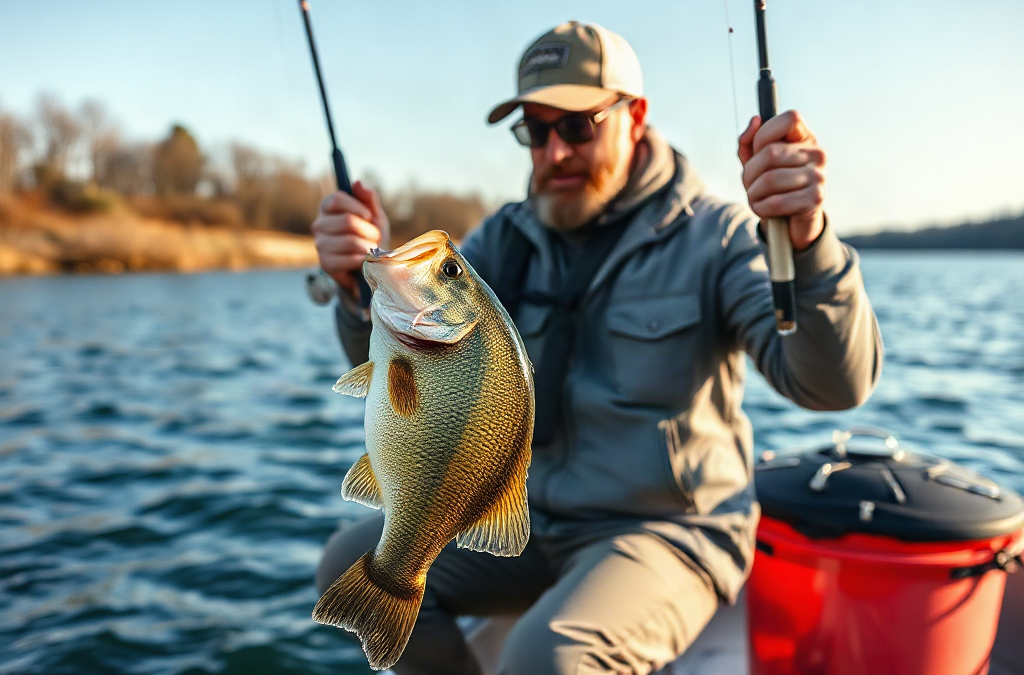
Improve your fishing success with local tips by combining current reports with direct observation of seasonal patterns, water levels, forage, access points, and species behavior. Ask local bait shops, guides, and anglers what has worked recently, then verify those reports by checking wind, clarity, current, structure, and signs of feeding activity. Use local knowledge to narrow the lake, river, or shoreline rather than copying a single lure recommendation without context. A common mistake is fishing a famous spot at the wrong depth or tide simply because it produced earlier in the season. Keep notes on location, conditions, bait, depth, and time so each trip turns local advice into a repeatable plan.
Turn Local Reports Into Usable Fishing Information
Local fishing advice becomes valuable when you translate it into conditions rather than treating it as a guaranteed lure recommendation. A report saying that anglers are catching fish near a bridge, weed edge, or creek mouth gives you a starting location, but the useful details are usually depth, water movement, clarity, forage, time of day, and recent weather. Those variables explain why the fish were there and whether the same pattern is likely to remain productive.

Begin by asking precise questions at a local tackle shop, marina, launch area, or guide service. Ask which species are active, what depth has produced fish, whether the bite is strongest during moving water or low light, and whether the pattern changed after rain, a cold front, or a water-level shift. A vague question such as “What are they hitting?” often produces a lure name without the context needed to use it effectively.
Local reports also require verification. A report may describe a successful outing from several days ago, while wind or water temperature has already moved the fish. Check the shoreline for bait activity, birds, surface disturbance, fresh anglers’ activity, current seams, and changes in water color. If a recommended bank is crowded, the same structure may exist on a less pressured section nearby. The goal is not to copy another angler’s cast; it is to recognize the environmental feature that attracted fish.
Use how to improve your fishing success with local tips as a process of narrowing possibilities. Treat local information as a probability boost, not proof. This distinction prevents a frequent mistake: staying at a famous spot for hours after the wind has changed, bait has disappeared, or the current has stopped. Move when the evidence no longer supports the original report.
Match Seasonal Conditions to Fish Location
Seasonal patterns improve fishing decisions because fish respond to changing temperature, available food, spawning activity, water level, and oxygen conditions. Local anglers often know the timing of these changes better than a general chart, especially on waters where weather and elevation create unusual conditions. Their advice is most useful when paired with an explanation of what the fish are likely seeking.
In spring, warming shallows, protected coves, flooded vegetation, and inflowing creeks may attract fish and forage, but a cold rain can push activity back toward deeper or more stable water. During summer, early and late periods may be productive in shallow areas, while fish often shift toward shade, current, deeper edges, or cooler inflows as the day brightens. Autumn can concentrate bait near points, creek channels, and remaining vegetation. Winter commonly rewards slower presentations near stable depth, though local weather can create short feeding windows.
These are tendencies rather than rules. A shallow flat may look ideal, yet fish can hold on the first drop if bright sunlight makes the flat uncomfortable. Conversely, stained water after rainfall may let predators feed shallow for longer because visibility is reduced. Compare the local recommendation with present conditions: is the water rising or falling, is the wind pushing food toward a bank, and is the current carrying forage into a seam?
A useful example is a river report about fish near a creek mouth. On a rising, slightly stained river, the inflow may carry food and create an attractive current break. On a falling river with clear water, fish may hold farther from the mouth or along deeper cover. Choosing the location without considering water movement is less reliable than choosing the mechanism behind the location. Local knowledge points you toward the pattern; observation determines whether the pattern is active today.
Choose Baits and Presentations From Local Clues
Local bait recommendations work best when they imitate the food fish can actually find in that water. Ask whether the prevalent forage is small baitfish, crayfish, insects, worms, or stocked feed, then compare its size, color, movement, and location with your lure or bait. A lure that resembles the local food but runs at the wrong depth may be less useful than a simpler option presented where fish are holding.
For example, if local anglers report baitfish around windblown banks, a small minnow-style lure, spoon, or live bait may be appropriate, but the retrieve should match fish activity. Active fish may respond to a steady search presentation, while inactive fish may require a slower movement beside cover. If the water is unusually clear, a natural color and lighter line may reduce visual disturbance; in stained water, vibration, contrast, or scent can help fish locate the offering. None of these choices overrides the need to put the bait near fish.
Change one variable at a time when testing advice. Start with the reported bait category, then adjust depth, speed, or location before switching through a large collection of unrelated lures. This creates useful feedback. If fish follow but do not strike, slow the retrieve or reduce the profile. If there is no sign of activity, changing color repeatedly may waste time when the actual problem is depth or location.
Local success can also reflect specialized tackle, boat positioning, or presentation skill rather than the lure alone. A guide may catch fish on a particular jig because it is kept in contact with a precise rock edge; simply buying the same jig does not reproduce that presentation. For broader fishing success with local tips, record how the bait was worked, what cover it contacted, and whether strikes came during the fall, pause, or retrieve. The common failure is copying the visible item while ignoring the hidden delivery method.
Use Access, Timing, and Observation to Refine the Plan
Local access knowledge can save more time than a long lure list. Productive water may be reachable from a public bank, a less crowded launch, a wading trail, or a shoreline with safe casting room. Ask about parking, boat traffic, changing water levels, private boundaries, and hazards, then confirm current access rules before arriving. A theoretically excellent location is a poor choice if it cannot be reached safely or fished without disturbing others.
Timing should reflect both fish behavior and human pressure. A popular shoreline may fish better during quiet periods, while a boat-accessible point can receive heavy pressure soon after daylight. Wind can make one bank more productive by pushing plankton and bait toward it, but excessive wind may make casting or boat control unsafe. Tide and current matter in coastal or tidal water: a location that looks identical at slack water may become active when flow creates a feeding seam.
Build a short decision sequence before making repeated casts. Check the water level and clarity, identify the windward or current-affected side, look for bait or feeding signs, fish the most likely depth, and then change position if the evidence stays weak. A compact checklist keeps local advice from becoming rigid. It also makes the trip more efficient when weather changes during the day.

- Stay and adjust: signs of bait, occasional strikes, or favorable current support trying a different depth or speed.
- Move nearby: the feature is present, but bait or current is absent at the exact spot.
- Change the pattern: several locations show no activity and conditions have shifted from the original report.
One practical comparison is a calm, clear morning versus a windy, cloudy afternoon. The first may favor subtle presentations around shade and deeper edges; the second can justify covering more water along a windblown bank. Strong local anglers adapt the recommendation to the day instead of treating “the hot spot” as permanent.
Build a Local Fishing Log That Improves Future Trips
A personal fishing log turns scattered local tips into evidence that belongs to your water, access point, and skill level. Record the date, location, species, water level, clarity, wind, cloud cover, lure or bait, depth, retrieve, and result. Include what failed. A blank day can reveal that a popular recommendation only works under a particular water level or seasonal condition.
Use notes to separate repeatable patterns from memorable exceptions. If a creek arm produces fish on several outings when rising water carries forage into it, that is stronger guidance than one unusually successful cast during a rare weather event. The log should also record effort: how long you fished a location, whether fish were visibly present, and whether boat traffic or shoreline pressure changed the outcome.
Review entries before the next trip and create a small priority plan rather than carrying every possible option. Choose two likely locations, one backup area, and a limited set of presentations that cover different depths or speeds. This approach is more practical than bringing a large tackle selection with no decision rule. It keeps experimentation focused and shows whether a change actually produced more contact.
Share observations respectfully with local anglers, but avoid assuming every report applies everywhere. A reservoir’s wind pattern, a river’s discharge, or a pond’s forage base can make nearby waters behave differently. Cross-check advice with official access information and current conditions, then use your own records to refine it. The best result of local knowledge is not a single memorable catch; it is a clearer understanding of when, where, and why a pattern works.
Frequently Asked Questions
Where should I get reliable local fishing tips?
Ask established bait shops, licensed guides, marina staff, and active local anglers. Request recent details about depth, water conditions, forage, and timing rather than only asking which lure to use.
How can I tell whether an old fishing report still applies?
Compare the report’s weather, water level, clarity, current, and season with conditions today. If those drivers changed, use the report as a clue rather than a fixed plan.
Should I use the exact bait recommended by local anglers?
Use it as a starting point if it matches local forage, but also reproduce the reported depth, speed, and cover. The presentation often matters as much as the bait itself.
How long should I stay at a recommended fishing spot?
Stay while you can confirm supporting signs such as bait, current, cover, or occasional contact. Move or change depth when those signs are absent and several controlled adjustments produce nothing.
What should I record after a fishing trip?
Note location, date, species, water level, clarity, weather, wind, depth, bait, retrieve, and what happened. Failed attempts are useful because they show which conditions did not support the pattern.
Further Reading
Authoritative Sources
- Academy of Nutrition and Dietetics
eatright.orgProfessional nutrition guidance, healthy eating resources, and practical dietitian-reviewed advice.
- U.S. Department of Agriculture
usda.govOfficial food, nutrition, agriculture, and consumer guidance from the USDA.
- NIH Office of Dietary Supplements
ods.od.nih.govResearch-based fact sheets on nutrients, supplements, dietary intake, and safety considerations.
- International Society of Sports Nutrition
sportsnutritionsociety.orgEvidence-informed sports nutrition resources and position stands for active people and athletes.
Conclusion
Local fishing advice becomes more powerful when you learn the conditions behind it. Use recent reports to identify likely water, then check whether today’s wind, clarity, level, current, forage, and fish activity support the same pattern. Prioritize location and depth before changing lure colors, and adjust one variable at a time so the results teach you something. Respect access rules, account for safety and fishing pressure, and move when the evidence no longer supports the original plan. A simple log of successful and unsuccessful trips will gradually reveal which local recommendations are repeatable on your schedule. The next trip should have a primary location, a nearby alternative, and a small presentation plan tied to observable conditions rather than a single promise from an old report.

