
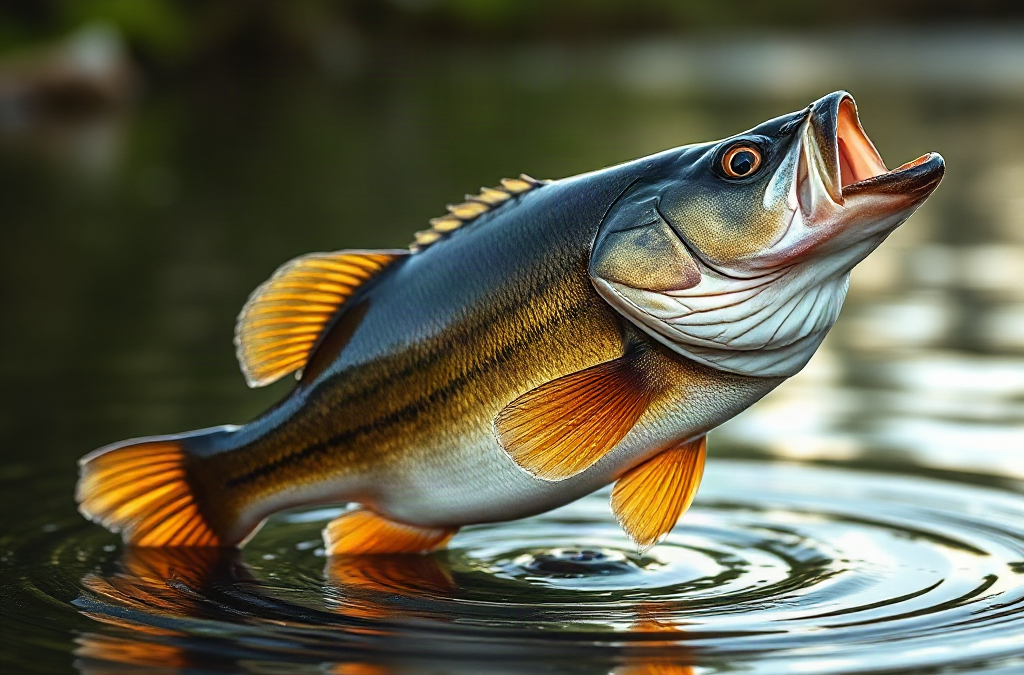
Common misconceptions about bass fishing techniques often come from treating lure color, seasonal patterns, water depth, and presentation speed as fixed rules instead of adjustable decisions. Bass do not always move shallow in warm weather, strike only fast-moving lures, or reject artificial bait because the color is imperfect. Water temperature, light, forage, cover, wind, and fishing pressure interact to determine where bass hold and how they respond. A better approach is to begin with location and fish behavior, then adjust lure profile, depth, cadence, and color one variable at a time. Watching for missed strikes, follows, changes in cover, and quiet water can reveal whether the technique is failing or simply needs a precise adjustment.
Bass Behavior Is More Flexible Than Fishing Rules Suggest
Bass fishing decisions work better when they begin with conditions rather than slogans. Rules such as “bass are shallow in spring,” “deep water always holds summer fish,” or “cold water requires a painfully slow retrieve” contain useful clues, but none is reliable in isolation. A bass responds to temperature, dissolved oxygen, available forage, light penetration, wind, water clarity, and nearby cover. Those variables can change across a single lake and even within one cove.

Seasonal patterns describe likely movement, not a guaranteed address. During a warming spring period, one group of bass may move toward spawning flats while another remains near a channel edge because a cold front, low visibility, or scarce forage makes that location more comfortable. In midsummer, deep structure may hold fish during bright afternoons, yet wind-blown shallow water can become productive when baitfish gather there. The misconception is treating the calendar as more informative than the actual water.
A useful comparison is between a seasonal starting point and a seasonal conclusion. Start by checking the likely habitat for the time of year, then test nearby depth changes, shade lines, points, and vegetation. If a shallow crankbait produces follows but no strikes, the fish may be interested yet poorly positioned for that speed or angle. If a jig contacts cover without a response, the problem may be location rather than lure choice.
Use the common misconceptions about bass fishing techniques as warning signs rather than replacement rules. Prioritize evidence from the fish: a follow, a short strike, a baitfish disturbance, or a sudden change in bottom composition. The most common failure is abandoning a productive area after one unproductive presentation instead of changing depth, angle, or cadence while keeping the location testable.
Lure Color, Size, And Speed Are Not Fixed Formulas
Lure color rarely compensates for a lure that is operating at the wrong depth or moving through empty water. In clear conditions, natural greens, browns, translucent finishes, and subtle flash may blend with local forage. In stained water or low light, a darker silhouette or a brighter contrast can make the lure easier for bass to detect. Neither choice is universally superior because visibility, not preference, controls how the bait is perceived.
Size creates a similar misconception. Bass can eat large prey, but they do not always prefer the largest available profile. A smaller bait may outperform a larger one when young-of-year forage dominates, fishing pressure is high, or bass are feeding cautiously. Conversely, a compact lure may be ignored when fish are tracking sizable shad or bluegill. Match the dominant prey when you can identify it, but allow the fish’s response to overrule a strict “match the hatch” idea.
Retrieve speed also has a range rather than a single correct setting. A fast spinnerbait can trigger a reaction around active fish and cover water efficiently, while a slower crawl may keep the same lure in the strike zone for suspended or reluctant bass. A jerkbait paused too briefly may rush past a cold fish; paused too long, it may lose efficiency when bass are willing to chase. The best cadence is the one that keeps the bait visible and accessible long enough for the fish to respond.
Test one variable at a time. If a lure gets follows, keep its general profile and change speed or pause length before replacing it with an unrelated bait. If there is no evidence of fish, change location or depth first. A practical sequence is:
- Choose a profile that fits the visible forage or cover.
- Select color based on water clarity and available light.
- Adjust retrieve speed to keep the lure in the likely strike zone.
- Change only one presentation variable before judging the result.
Fishing every condition with the same favorite color is convenient but limits diagnosis. Changing colors repeatedly in an empty area creates the opposite problem: it produces activity without learning whether bass were present.
Depth, Cover, And Seasonal Location Require Observation
“Bass are in cover” is incomplete advice because cover is useful only when it offers a reason for bass to be there. Vegetation can provide shade, ambush points, and forage, while wood and docks may concentrate fish when light or current makes those edges comfortable. A bare point can be better than dense cover if it intersects a depth change, funnels bait, or receives wind. The structure attracts attention, but the combination of structure, depth, and food usually determines whether it is worth fishing.
Depth myths often come from confusing the deepest available water with the most useful deep water. Bass may suspend several feet above a deep basin, hold on a ledge, or position on the first break rather than sit on the bottom. A lure dragged on the bottom can pass beneath suspended fish without being noticed. Conversely, a deep-diving bait is inefficient if fish are tucked into shallow grass and unwilling to leave it.
Consider a summer reservoir with bright skies and little wind. A shaded dock row, creek-channel bend, or submerged brush pile may hold bass, but each location calls for a different presentation. A skipping jig can reach the dock shade, a soft plastic may probe brush without racing through it, and a deep crankbait can contact a channel edge. The technique follows the geometry of the habitat; it should not be selected merely because the water is “summer deep.”
Wind changes the decision as well. A wind-blown bank may concentrate baitfish and reduce the visibility advantage of highly pressured bass, making a moving lure more useful than a slow bottom bait. When the wind stops, fish may reposition under shade or along a sharper break. Look for bait activity, temperature differences, current, and changes in bottom or vegetation. The failure mode is fishing the most obvious cover thoroughly while ignoring the transition that connects it to feeding or escape routes.
Record where the strike occurs: beside cover, above it, on the outside edge, after the lure deflects, or during a pause. That detail is more useful than simply writing down the lure name. The common misconceptions about bass fishing techniques become easier to reject when each cast supplies location and presentation evidence.
A Practical Method For Testing Bass Techniques
Efficient bass fishing is a process of controlled adjustments, not a random parade of lures. Begin with a short hypothesis: bass may be holding on the windy side of a point, suspended beside vegetation, or feeding near shallow cover. Select a presentation that can test that idea at the relevant depth. The goal is not to prove the lure works; it is to learn whether the location and behavior assumption is sound.
Give a technique enough casts to cover different angles before discarding it. A single cast parallel to a bank may miss fish positioned at the outside edge, while a perpendicular cast may move too quickly through the strike zone. Vary casting angle, retrieve path, and contact with cover. If the lure repeatedly hangs or rises above the target depth, correct that mechanical problem before deciding the pattern is absent.
Signs that a technique is close include follows, swirls, short strikes, bumps near cover, or bass appearing on electronics at the lure’s level. Those clues usually justify a small adjustment: a longer pause, lighter line, a smaller profile, a different hook position, or a slightly deeper route. No-contact fishing provides less information. Move to a nearby feature or change depth rather than making five dramatic lure changes in succession.

A compact decision sequence can keep the day organized:
- Identify the likely bass habitat from light, wind, temperature trend, forage, and cover.
- Choose a lure that reaches that habitat with a manageable presentation.
- Fish multiple angles and note the exact moment of any response.
- Adjust cadence, depth, profile, or color in that order when evidence supports it.
- Relocate if the area provides no signs of bass or forage after a fair test.
Beginner anglers often change everything after a missed strike. Advanced anglers can overcorrect in the opposite direction by staying committed to a theory despite contrary evidence. The balanced approach preserves what the fish have confirmed and changes only what remains uncertain.
Equipment And Presentation Myths That Cost Strikes
Heavy tackle is not automatically better for bass. Stronger line and a powerful rod can be appropriate around thick vegetation, timber, or heavy docks, where landing a fish quickly reduces entanglement. In open water, the same setup may reduce casting distance, make a light lure difficult to load the rod, or create a stiff presentation. Equipment should fit the lure weight, cover, hook style, and expected fight rather than a belief that more power always produces more control.
Line visibility is also misunderstood. Bass may react to highly visible line in clear, calm water, especially with slow presentations that keep the line in view. In heavy cover or stained water, abrasion resistance and manageable handling may matter more than subtle visibility. A fluorocarbon leader can be useful in some clear-water situations, but it does not repair poor lure placement or an incorrect depth. The tradeoff is that low-stretch line can improve contact while transmitting more shock during aggressive hooksets.
Hookset timing depends on the lure and the strike, not a universal count. A single-hook worm often benefits from allowing enough time to feel pressure and move the hook into position. Treble-hook lures require controlled pressure rather than a violent swing that can tear free. With a moving bait, continuing the retrieve and sweeping the rod may keep fish pinned more effectively than stopping abruptly.
Inspect the practical details before blaming fish behavior. Check whether hooks are sharp, whether the knot has been damaged, whether the lure is tracking correctly, and whether weeds are covering the hook point. A bass that follows but refuses may need a presentation change; a bass that bites and comes unbuttoned may point to tackle, drag, hook, or line problems. The common misconceptions about bass fishing techniques are costly when equipment symptoms are mistaken for a biological pattern.
For lake-specific regulations, seasonal closures, and local management information, consult the official fish-and-wildlife agency responsible for the water you plan to fish. State fisheries agencies and university extension programs can also provide habitat and bass-management material that is more reliable than universal lure rules.
Frequently Asked Questions
Do bass always move shallow in spring?
No. Some bass move shallow while others remain near staging areas, channel edges, or deeper cover because weather, water temperature, forage, and spawning readiness differ across a lake.
Does lure color matter more than depth?
Usually, reaching the likely depth and maintaining a convincing action matter first. Color becomes more useful after the lure is already near active fish and visibility conditions justify a change.
Should cold-water bass always be fished with a slow retrieve?
Slower presentations often keep a lure available longer, but a fast bait can trigger reaction strikes or locate active fish. Adjust speed according to water temperature, fish response, and the lure’s depth control.
Is the deepest water always the best summer location?
No. Bass may use shade, vegetation, current, channel edges, or wind-blown shallows. Deep water matters when it connects to food, comfort, or an escape route and when fish are actually positioned there.
How many changes should an angler make after no bites?
Change one meaningful variable at a time, such as casting angle, depth, cadence, or lure profile. If the area shows no bait or bass activity after a fair test, relocate before endlessly changing color.
Further Reading
Authoritative Sources
- Academy of Nutrition and Dietetics
eatright.orgProfessional nutrition guidance, healthy eating resources, and practical dietitian-reviewed advice.
- U.S. Department of Agriculture
usda.govOfficial food, nutrition, agriculture, and consumer guidance from the USDA.
- NIH Office of Dietary Supplements
ods.od.nih.govResearch-based fact sheets on nutrients, supplements, dietary intake, and safety considerations.
- International Society of Sports Nutrition
sportsnutritionsociety.orgEvidence-informed sports nutrition resources and position stands for active people and athletes.
Conclusion
Reliable bass technique comes from testing assumptions against conditions, not memorizing rigid rules. Treat the season as a starting clue, then verify depth, cover, forage, light, wind, and fish response. Select a lure that can reach the suspected location, and change cadence, angle, profile, or color in a deliberate order. Follows, short strikes, missed fish, and lure contact all provide information; empty water provides a reason to move. Match tackle to cover and presentation instead of automatically choosing the heaviest setup. On the next trip, write down where each response occurred and what the lure was doing at that moment. That record will produce better adjustments than switching randomly among popular bass fishing techniques.

