
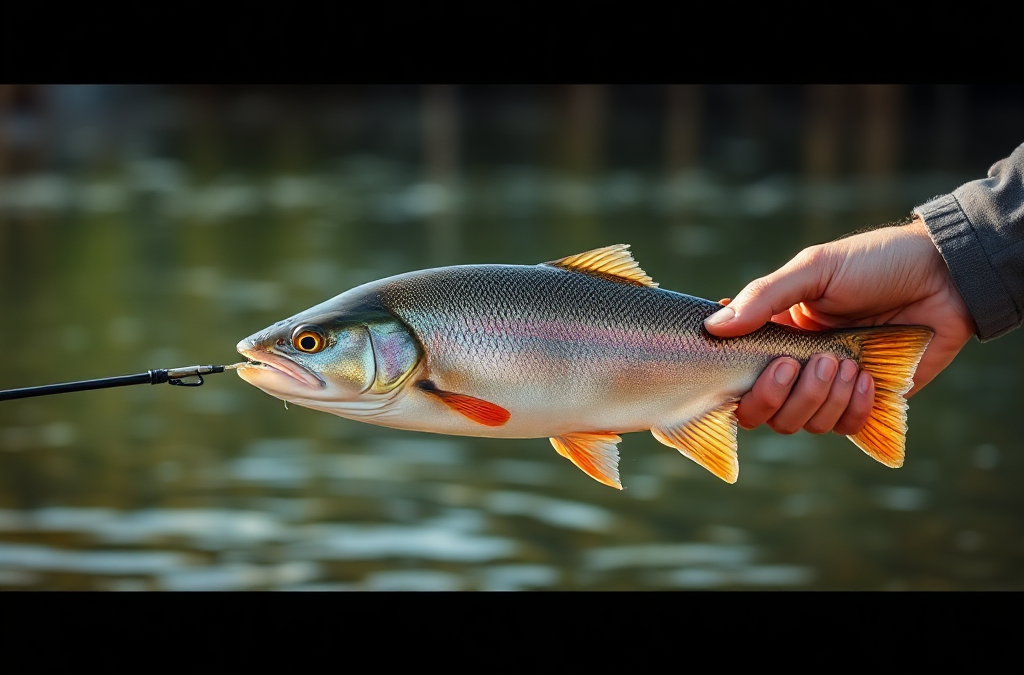
Recognizing the signs of a fish bite means separating deliberate changes in line tension, rod pressure, or lure movement from wind, current, weeds, and bottom contact. Watch for a sideways line shift, a repeated tap, a sudden slack line, or weight that moves against your retrieve. Keep the rod tip controlled, maintain light contact, and pause briefly when the signal is unclear rather than striking at every twitch. A fish may mouth bait softly, especially in cold water or with a finesse presentation, while an aggressive bite can load the rod immediately. Set the hook only after confirming pressure or sustained movement, using force suited to the tackle and species.
What a Real Bite Feels and Looks Like
A fish bite is a change in the normal behavior of the bait, lure, line, or rod. The signal may be a sharp tap, a gradual increase in weight, a sideways movement of the line, or a sudden loss of tension. The useful clue is not always intensity; it is that the movement has direction, rhythm, or pressure that does not match the retrieve.

Soft bites are common when a fish mouths a bait without moving far. A bass holding a plastic worm may feel like extra weight rather than a strike. A crappie can produce a light tick under a bobber, while a catfish may cause the rod tip to bend slowly as it carries bait away. Fast-moving species can create a more obvious pull, but even an aggressive hit may be masked by slack line or a loose drag.
Pay attention to what happened immediately before the suspected bite. If the lure was falling and the line stops sinking, a fish may have intercepted it. If the rod loads while the retrieve is steady, the lure may have been eaten or caught on cover. A true bite often continues or changes when you lower the rod slightly and maintain contact. Bottom contact usually feels stationary, rough, or resistant in one place.
A common mistake is waiting for a dramatic rod bend before reacting. That delay can allow a fish to drop the bait or move into cover. The opposite error is striking at every vibration. Treat an unfamiliar signal as information: slow the retrieve, keep the line connected, and look for movement that confirms a living fish rather than guessing from a single sensation.
Separating Bites From Bottom, Weeds, and Current
Most missed bites begin with misidentifying an ordinary obstruction as a fish or dismissing a fish as bottom contact. Lure speed, water depth, wind, current, and tackle sensitivity all alter what reaches your hand. A jig scraping gravel may produce a series of dull bumps, whereas a fish often adds movement after the initial contact or makes the line travel away from the snag point.
Bottom contact generally has a predictable pattern. The lure falls, touches a firm surface, and becomes lighter or heavier as you lift it. Weeds feel softer and may load gradually, often leaving vegetation on the hook. Current creates steady pressure in one direction. A bite tends to interrupt that pattern: the line may twitch twice, move across the bottom, or become unexpectedly slack when nothing about the retrieve has changed.
Use the conditions to form a baseline before fishing seriously. Make several casts without setting the hook immediately and note how the rod responds when the lure touches rock, sand, wood, or vegetation. In current, observe the normal bow in the line. Once you know the ordinary pressure, a fish-induced change becomes easier to recognize. A sensitive braided main line may reveal small taps, but a fluorocarbon leader, wind, or a soft rod can reduce clarity.
For example, a Texas-rigged worm dragged through submerged grass may feel heavy every few feet. Pulling hard at each load wastes time and can bury the hook. Instead, ease the rod tip forward, remove slack, and check whether the weight moves independently. If the pressure pulses or the line leaves the original angle, treat it as a possible bite. If the lure stays fixed, free it carefully rather than forcing a hookset.
Do not assume every unusual sensation is a fish, but do not require certainty before improving your position. A controlled pause or slight angle change often gives more information than a forceful strike.
Reading the Line, Rod Tip, and Lure
Line observation is especially valuable when the bite is too subtle to feel. Watch where the line enters the water and compare its position with the direction of your cast. A line that jumps, slides sideways, stops during a fall, or tightens without a visible reason deserves attention. With a bobber, look for a sideways glide, a partial dip, repeated shivers, or a disappearance that continues rather than a brief wave-induced wobble.
The rod tip adds a second layer of evidence. A lure normally produces a repeating vibration during a retrieve. When that rhythm changes, something has altered the lure’s movement. A fish may dampen the vibration by holding the lure, create irregular pulses, or pull the tip down in a sustained arc. A single sharp knock followed by nothing can be a fish, rock, or wood, so the next response matters more than the first impact.
Keep the rod at an angle that allows you to detect pressure without making the line unnecessarily tight. Excess slack hides a moving fish; excessive tension can pull a lightly hooked fish away before the hook penetrates. On a suspended jerkbait, for instance, a bite may appear as line movement during the pause rather than as a hard strike. On a moving spinnerbait, the tell may be that the blade vibration disappears and the rod begins to load.
When using live bait, avoid watching only the rod. A float can move because of wind or surface drift, while a free-lined bait may swim naturally. Mark the normal behavior of the bait first. A fish often causes the bait to stop, change direction, or pull with a purposeful line angle. Circle hooks and other specialized rigs may require pressure rather than an immediate snap, so the rig and target species should influence your response.
For a practical reference, use this compact check:
- Line: Has it moved, stopped, tightened, or gone slack unexpectedly?
- Rod: Did the normal lure rhythm change into pressure or irregular pulses?
- Direction: Is the force traveling away from the cover or along a new angle?
- Persistence: Does the signal continue after a brief pause?
These clues work best together. A light tap alone is uncertain; a tap followed by sideways line movement and sustained weight is much stronger evidence.
The Right Pause and Hookset
The best response to an uncertain bite is usually controlled contact, not an instant reaction. Keep the rod tip steady, take up enough slack to feel the line, and pause briefly while watching for movement. The pause should match the presentation. A small soft plastic may need a moment if a fish is holding it, while a fast-moving lure may call for a quicker response to prevent the fish from turning toward cover.
Hookset timing depends on how the fish takes the bait and how the hook is positioned. With a worm rig that leaves the hook point concealed, a firm, sweeping set can help drive the hook through the bait and into the mouth. With exposed hooks on a crankbait, a violent overhead strike can pull the lure free or tear a small hole. A controlled sweep that maintains pressure is often more suitable.
Live-bait timing requires extra judgment. A fish carrying a bait may move before fully taking it, but waiting too long can allow deep hooking. Regulations and local practice may also affect which rigs are appropriate. Circle hooks are commonly used with a pressure-based technique: reel steadily and let the hook rotate into position rather than sharply jerking the rod. Follow the requirements for the water you are fishing.

A useful sequence is to detect, confirm, load, and then set. Detect an abnormal signal, confirm it with sustained pressure or movement, load the rod by removing slack, and set with a motion suited to the rig. Striking repeatedly at uncertainty is a frequent failure mode because it removes the lure from the strike zone and teaches you nothing about the original signal.
If the hookset misses, do not immediately reel in. Keep the lure working if it is safe to do so. Fish sometimes follow, nip, or return after a missed attempt. Change the pause, retrieve speed, or angle before abandoning the area. More detail on interpreting each signal is available in how to recognize the signs of a fish bite through repeated observation rather than relying on one dramatic strike.
Practice Drills and Species-Specific Clues
Bite recognition improves when you deliberately learn the normal feel of your tackle. In clear, shallow water, watch a lure while another angler retrieves it and observe how the rod reacts during acceleration, pauses, bottom contact, and weed contact. On your own, count the lure’s fall and note when it reaches bottom. An unexplained stop on the next cast becomes meaningful because you know how long the lure should have been descending.
Practice with safe, controlled signals rather than trying to memorize a single universal “bite.” Bass may pin a lure against the bottom and produce only weight. Panfish often make quick, light taps. Trout can turn away with a bait or take a small lure during the drift. Catfish may create a slow, deliberate pull. Species, water temperature, bait size, and fishing pressure all influence whether the take is sharp or muted.
Consider the tradeoff between sensitivity and forgiveness. A fast graphite rod and low-stretch line transmit small contact well, but they can make an inexperienced angler react too quickly and may pull hooks during a short fight. A moderate rod and a little more stretch soften mistakes, though they make subtle bites harder to read. Choose a setup that lets you maintain contact without overpowering the presentation.
Record what happened after each missed or landed fish: depth, lure position, line behavior, pause length, and whether the fish was hooked inside or outside the mouth. That record turns vague impressions into patterns. If bites occur only after the lure pauses, slow the presentation. If fish consistently move toward cover, keep the rod low and prepare for immediate pressure. If suspected bites never produce movement after contact, reassess the bottom, current, or lure action.
For more connected reading, review how to recognize the signs of a fish bite alongside your notes on lure control and hook placement. The goal is not to react harder; it is to identify the signal sooner and choose a hookset that matches the situation.
For additional context, consult state fish-and-wildlife agencies, university extension fishing resources, and official regulations for the water you plan to fish. These sources can clarify species behavior, local tackle practices, legal hook requirements, and any rules affecting live bait or circle-hook use.
Frequently Asked Questions
How can you tell a bite from a snag?
A bite usually adds direction, pulses, or continued movement after contact. A snag tends to remain fixed or feels like steady resistance in one place. Ease forward and maintain contact before deciding.
Should you set the hook at the first tap?
Not always. Keep light tension and look for a second signal, sustained weight, or line movement. Immediate setting is more appropriate when a fish is clearly moving away or the lure has exposed hooks.
What does a bite feel like with a soft plastic lure?
It may feel like a tap, extra weight, a spongy pull, or a line that stops during the fall. Bass sometimes hold the lure without moving far, so line observation matters.
Why do some bites feel very light?
Cold water, a cautious fish, slack line, deep water, wind, and a soft bait can reduce the signal. Maintaining contact and watching the line can reveal bites that the rod does not transmit clearly.
How should you practice detecting bites?
Learn the normal feel of your lure on rock, sand, weeds, and current, then compare unexpected changes. Watching a lure in shallow water and keeping notes after each cast can speed up that learning process.
Further Reading
Authoritative Sources
- National Institute of Standards and Technology
nist.govStandards, cybersecurity frameworks, and technical guidance.
- Cybersecurity and Infrastructure Security Agency
cisa.govCybersecurity, infrastructure, and risk-reduction guidance.
- MDN Web Docs
developer.mozilla.orgTechnical documentation for web standards, APIs, and browser technologies.
- World Wide Web Consortium
w3.orgWeb standards, accessibility, and interoperability specifications.
Conclusion
Recognizing a fish bite comes from comparing an unexpected signal with the normal behavior of the lure and water. Watch the line entry point, monitor the rod tip, and notice whether pressure has direction or persistence. A short pause can confirm a soft take, but waiting too long with live bait may create a deep-hooking problem. Match the hookset to the rig: sweep exposed hooks into pressure and use appropriate pressure-based techniques where the hook design calls for them. Spend time learning how your setup feels over gravel, wood, weeds, and current. With that baseline, subtle changes become easier to interpret, missed hooksets become useful feedback, and each cast gives you a clearer reason to react.

