
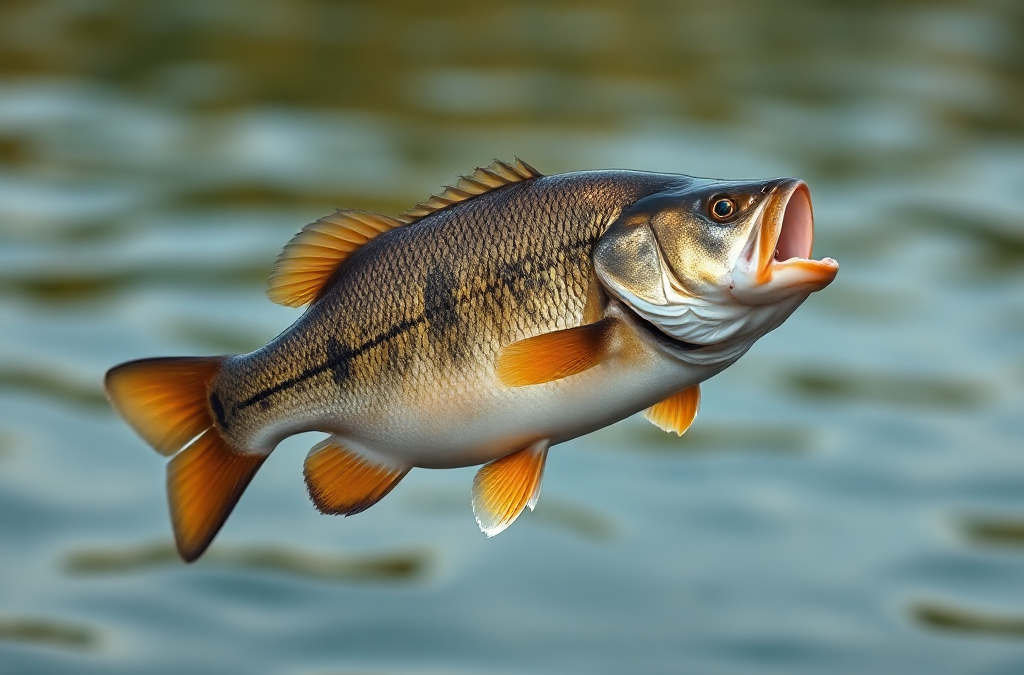
Adjust your fishing strategy for different species by matching location, forage, depth, tackle, and retrieve to the fish’s feeding behavior rather than using one reliable pattern everywhere. Bass often respond to cover, vibration, and changing water temperature, while trout may require lighter line, smaller offerings, and careful attention to current or insect activity. Catfish generally reward scent, bottom contact, and patience, whereas species such as crappie may suspend around cover and prefer compact presentations. Change one major variable at a time, watch how fish react, and avoid assuming that a successful tactic for one species will transfer unchanged to another.
Match the Plan to Species Behavior
Species-specific fishing begins with the way a fish finds food, avoids danger, and uses its environment. A bass may ambush prey beside a dock, weed edge, or fallen tree, while a trout may hold in current where drifting insects arrive with little effort. Treating both situations as the same problem often leads to the wrong lure speed, line size, and location.

Before selecting tackle, identify the fish’s likely feeding mode. Predators that attack from cover usually justify a search bait, a weed-resistant lure, or a presentation that pauses beside structure. Fish that feed in open water may respond better to a smaller moving offering, a controlled vertical presentation, or a bait positioned at the depth where they are suspended. Bottom-oriented species such as catfish require a different priority: keeping bait near the substrate and allowing enough time for scent and vibration to work.
For example, a topwater lure can be useful for active largemouth bass around low-light cover, but it is a poor default for channel catfish feeding on the bottom. Likewise, a large flashy spoon may attract aggressive fish but overwhelm wary trout in clear, shallow water. The relevant comparison is not whether one method is generally popular; it is whether the method resembles the prey and movement that the target species can locate efficiently.
Use how to adjust your strategy for different species as a decision process, not as a fixed list of tricks. Ask what the fish can see, smell, or feel, how much energy it spends to eat, and whether it is competing with other fish. A common mistake is changing lures repeatedly without changing the underlying behavior being imitated.
Choose Location, Depth, and Timing
Location should reflect where a species can feed safely and efficiently during the conditions you face. Water temperature, light, current, wind, vegetation, and spawning activity can shift fish between shallow and deep areas. The same species may occupy different parts of a lake or river from morning to afternoon, so a productive spot is not automatically productive at every hour.
Bass commonly use edges, shade, points, submerged vegetation, and changes in bottom composition. Start by examining the transition rather than casting randomly across uniform water. Trout often hold behind rocks, along seams, beneath undercut banks, or in pools where current delivers food. Cast upstream or across the flow as appropriate, then control the drift so the offering behaves naturally instead of dragging unnaturally through the strike zone.
Crappie may suspend near brush, standing timber, docks, or other cover, especially when temperature and seasonal movement place them above the bottom. A bait dragged on the floor can pass underneath them without being noticed. Catfish may remain near channels, holes, current breaks, or feeding flats, but the most visible structure is not always the most useful. Current and available food can matter more than a dramatic-looking object.
Timing changes the value of a location. Low light can make shallow ambush areas more productive for predatory fish, while bright conditions may push them toward shade or deeper cover. Wind can move plankton and baitfish toward a bank, but strong wind may make precise lure control difficult. Prioritize a location that combines food access with manageable presentation. One weak assumption is that deeper always means better; depth matters only when it places the offering near active fish.
A simple field check can prevent wasted time: determine whether fish are shallow, suspended, or bottom-oriented; identify the nearest food source or cover; then make a dozen purposeful casts before moving. If you see baitfish but receive no response, change depth or speed before abandoning the entire area. This approach pairs naturally with how to adjust your strategy for different species by connecting habitat observations to a specific presentation.
Change Baits, Lures, and Retrieval
Presentation should imitate the size, movement, visibility, and availability of what a species can realistically eat. Matching color alone is rarely enough. A lure that looks appropriate but travels too fast, sinks too quickly, or produces excessive vibration may fail because its behavior does not fit the feeding situation.
For largemouth or smallmouth bass, vary the retrieve according to activity and cover. A crankbait can search an edge quickly, while a soft plastic may remain in a strike zone beside wood or vegetation. Smallmouth in current may favor a compact bait that drifts or swims naturally near rock. The tradeoff is efficiency versus precision: fast-moving lures cover water, but slower presentations give neutral fish more time to inspect an offering.
Trout usually call for more restrained changes. In clear water, reduce lure size, lighten line when conditions allow, and avoid repeated casts that pass directly over holding fish. In moving water, drift control often matters more than color. A spinner or small spoon may work when fish are willing to chase, but a dead-drifted artificial or natural bait can be more appropriate when trout are conserving energy in cold water. Follow local rules when selecting bait and hooks.
Catfish respond to a different sensory profile. Cut bait, prepared bait, or other legal offerings can provide scent and texture, while a stationary rig keeps the bait available near the bottom. The drawback is slower feedback: waiting longer does not compensate for bait swept into an unproductive current seam or buried in debris. Check bait condition and leader placement rather than assuming patience alone will fix the setup.
When changing a presentation, alter one major feature first: size, speed, depth, vibration, or scent. Changing all five at once prevents you from learning what caused a bite. Watch for meaningful signals such as follows, short strikes, disturbed bait, or fish appearing on electronics. A common failure is downsizing indefinitely when fish are active; a smaller bait can reduce visibility and casting range when a larger profile would better trigger a reaction.
Tune Tackle and Use a Practical Adjustment Process
Tackle must support the species, habitat, and presentation rather than merely withstand the fish. Rod action affects hook setting and lure control, line diameter affects casting and visibility, and drag settings influence how a fish is handled near cover. A light setup may improve lure performance for trout but becomes risky around heavy vegetation or abrasive structure.

Use a light, sensitive outfit for small offerings and cautious fish when the environment permits. Medium power is often a flexible choice for bass-sized lures, while heavier equipment may be justified around thick cover, strong current, or larger catfish. These are starting points, not universal rules. Local conditions, hook style, lure weight, and the angler’s ability to control a fish should determine the final choice.
For instance, a bass angler throwing a weedless soft plastic into hydrilla may need stronger line and a firmer rod than someone fishing the same species over open gravel. A trout angler using a tiny bait in clear water may benefit from a finer leader, but that advantage disappears if the leader repeatedly breaks against rocks. The practical decision balances stealth against abrasion resistance and landing control.
Make adjustments in a deliberate order:
- Confirm the species and likely feeding zone. Do not optimize tackle for a fish that is not present.
- Set the depth and movement. A correct lure in the wrong water column is still ineffective.
- Refine size and visibility. Downsize for caution or limited forage; increase profile when fish need help locating the offering.
- Match line and hook strength to cover. Protect the fish and the equipment without sacrificing necessary control.
- Record the response. Note time, weather, depth, structure, bait, and retrieve so future trips begin with evidence.
Signs of a working strategy include repeated follows, bites from the intended depth, and fish reacting to the lure without immediately fleeing. Signs of failure include untouched bait, strikes occurring only after accidental changes in speed, or frequent snags that keep the offering out of the target zone. Avoid changing everything after one quiet cast. A better approach is to move through controlled tests, using how to adjust your strategy for different species as a way to compare behavior rather than chase novelty.
For species identification, local seasons, legal methods, and habitat information, consult the current regulations and fisheries publications from your state wildlife agency, provincial authority, or national fisheries service. These sources are more reliable than generalized tackle advice because rules and species behavior vary by location.
Frequently Asked Questions
What should change first when switching species?
Change the target zone and presentation speed first. A lure designed for one species may work for another only after its depth, movement, and size fit the new fish.
How does habitat affect species-specific tactics?
Habitat determines where fish can feed and how they can be approached. Cover favors controlled, snag-resistant methods, while current or open water may require drift control and accurate depth.
Should smaller bait always be used for cautious fish?
No. Smaller bait can appear natural, but it may be difficult for fish to locate in stained water or strong current. Adjust visibility and movement along with size.
Why can the same lure catch different species?
Many species share forage or occupy the same water column. The lure’s success still depends on retrieve, depth, hook design, and whether its movement matches the fish’s feeding opportunity.
How can an angler tell whether a strategy is failing?
Look for no activity at the intended depth, repeated follows without strikes, excessive snags, or bait that drifts away from the feeding zone. Change one major variable and observe the response.
Further Reading
Authoritative Sources
- Academy of Nutrition and Dietetics
eatright.orgProfessional nutrition guidance, healthy eating resources, and practical dietitian-reviewed advice.
- U.S. Department of Agriculture
usda.govOfficial food, nutrition, agriculture, and consumer guidance from the USDA.
- NIH Office of Dietary Supplements
ods.od.nih.govResearch-based fact sheets on nutrients, supplements, dietary intake, and safety considerations.
- International Society of Sports Nutrition
sportsnutritionsociety.orgEvidence-informed sports nutrition resources and position stands for active people and athletes.
Conclusion
Species-specific fishing improves when decisions follow fish behavior instead of habit. Identify how the target feeds, locate the depth and structure that support that behavior, then select an offering whose size, movement, and sensory appeal fit the conditions. Bass may require aggressive work around cover, trout may demand controlled drifts and subtle tackle, crappie may suspend above structure, and catfish may favor scent and bottom contact. Treat each change as a test: adjust one major variable, watch for a response, and record what happened. Balance stealth against strength, speed against precision, and exploration against time. That disciplined process produces better information and makes the next trip more efficient, even when conditions change.

