
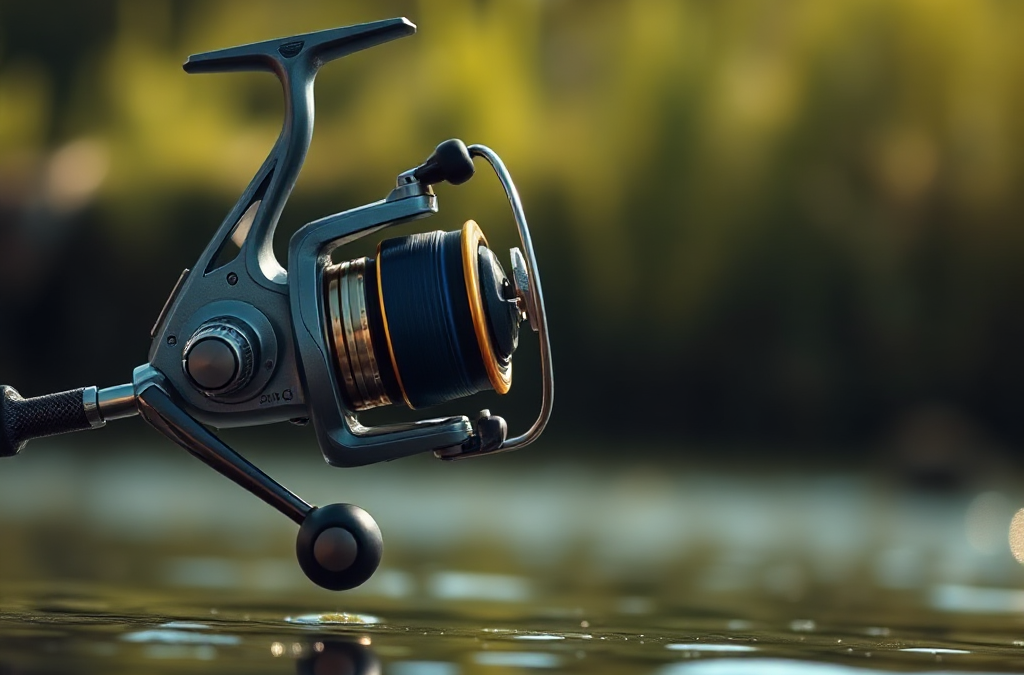
Choose a fishing reel by matching its design, size, drag, retrieve, and line capacity to the techniques and fish you actually pursue. Spinning reels suit light lures, finesse presentations, and anglers who want simple casting, while baitcasting reels offer better lure control and power for heavier work but demand more casting practice. Fly reels should balance the rod and protect the tippet rather than provide high-speed retrieve. Check the reel’s drag range, spool capacity, gear ratio, weight, and resistance to saltwater, then compare those specifications with your lure weight, line type, target species, and typical cover.
Match Reel Design to Your Casting Style
The reel type should follow the way you cast and present a lure, not the other way around. Spinning, baitcasting, and fly reels solve different mechanical problems. A spinning reel places the spool parallel to the rod and lets line peel off with relatively little resistance, which makes it practical for light lures, small jigs, live bait, and changing wind. A baitcasting reel uses a rotating spool that gives the angler direct control over lure flight and spool speed. That control is valuable for pitching, flipping, and accurately placing heavier lures around cover, but an incorrectly adjusted spool can produce a backlash.

Spinning gear is often the sensible choice when lure weight is low or casting conditions are inconsistent. A 1/16-ounce panfish lure or a lightly weighted finesse rig may not load a baitcasting rod and spool effectively, while a properly matched spinning setup can cast it farther with less effort. The tradeoff is that spinning reels can introduce line twist, especially when a lure spins or the line is retrieved under little tension. Opening the bail deliberately, keeping the line roller clean, and occasionally allowing line to unwind can reduce the problem.
Baitcasting equipment becomes more useful when you need precise thumb control, strong pressure on fish, or repeated casts with medium-to-heavy lures. An angler working a frog through vegetation may value a low-profile baitcaster’s direct feel and cranking power more than the forgiving operation of a spinning reel. Someone fishing open water with small crankbaits may gain little from that complexity. The common mistake is buying a baitcaster for its appearance or advertised power before developing the casting control needed to use it comfortably.
Fly reels belong to a different system. The rod, line weight, and leader determine most of the casting mechanics, while the reel stores line, balances the rod, and supplies drag when a fish runs. For many freshwater trout applications, a smooth, appropriately sized reel matters more than an elaborate high-speed retrieve. Start by identifying the primary technique, lure or fly weight, and casting environment. A reel that makes the intended presentation easy is usually a better choice than one with the most features.
For related equipment decisions, compare the reel selection with how to choose the right reel for your fishing style as part of the broader rod-and-line setup rather than treating the reel as an isolated purchase.
Choose Size, Line Capacity, and Drag for the Target
Reel size should be determined by line diameter, lure weight, expected fish, and the amount of line likely to leave the spool. Manufacturers use different size scales, so a “2500” from one brand may not match a “2500” from another in spool depth, weight, or actual capacity. Treat the printed line-capacity chart as more useful than the number on the reel body. A small spinning reel may be comfortable for light monofilament or braid, but a shallow spool can become restrictive when a strong fish makes a long run.
Line capacity is a working margin, not a reason to fill every spool with the heaviest line listed. A bass angler fishing short casts around docks may need less reserve than someone targeting the same species across a large reservoir. Inshore saltwater fishing places different demands on the system because long runs, heavier leaders, and corrosion exposure may justify a larger spool and more robust components. Extra capacity also adds weight, so oversizing a reel can make a light rod feel tip-heavy during a day of repeated casting.
Drag performance matters when the fish surges, but maximum drag numbers alone do not predict usefulness. A practical drag should start smoothly, remain reasonably consistent, and be easy to adjust while fighting a fish. Too little drag can allow a fish to reach cover; too much can break light line, straighten a small hook, or overload a leader. The right setting depends on the weakest part of the system and the cover around the fish. An open-water trout setup and a heavy vegetation setup should not be tuned the same way.
Consider a simple scenario: an angler uses light braid and a thin fluorocarbon leader for finesse bass fishing, then selects a large reel because its maximum drag rating looks impressive. The added weight may reduce comfort, while the heavy drag setting risks damaging the leader. A smaller, smoother reel with adequate capacity is more appropriate. Conversely, using a tiny reel for powerful fish may crowd the spool as line leaves, reduce effective drag behavior, and provide too little recovery during a long run.
Before buying, write down the line class, leader strength, lure range, target species, and likely fishing distance. Then verify that the reel holds enough line without becoming unnecessarily heavy. This process prevents a frequent failure mode: choosing a reel based on fish size alone while ignoring the line and presentation that actually connect the angler to the fish.
Use Gear Ratio and Retrieve Speed Correctly
Gear ratio describes how many times the spool or rotor turns for each complete turn of the handle, but it does not tell the whole retrieve story. Spool diameter and handle length also affect how much line the reel picks up per turn. A high-ratio baitcaster can recover slack quickly after a long cast, which is useful when a lure must be moved rapidly or a fish swims toward the boat. A lower ratio generally provides more mechanical advantage for resistance-heavy lures, although the exact feel varies by reel design.
Choose speed according to lure resistance and the amount of line control your technique requires. Swimbaits, deep-diving crankbaits, and large spinnerbaits create sustained resistance; a moderate or lower retrieve may feel smoother and reduce fatigue. Topwater presentations, burning a search bait, or quickly picking up slack for a hook-set may favor a faster retrieve. Neither option is automatically better. A fast reel can still be slowed by the angler, but it cannot always replace the steady torque and controlled pace that a demanding lure needs.
Retrieve rate also changes as line leaves the spool. A full spool generally recovers more line per handle turn than a nearly empty one because the effective spool diameter is larger. This is why a reel that feels fast in a store may feel less efficient after a long cast. Pay attention to the manufacturer’s line-recovery specification when available, but interpret it alongside spool size and the technique you fish most often.
Imagine two anglers using the same lure. One burns a lipless crankbait over shallow grass and needs to remove slack quickly when the lure clears a patch. The other grinds a deep crankbait along bottom and values controlled cranking over rapid pickup. Giving both anglers the same high-speed reel because it has a larger number on the box ignores the resistance of the lure and the timing of the presentation. Their preferred retrieve may be completely different even though the target species is identical.
The common mistake is treating gear ratio as a performance ranking. Instead, ask what happens between casts: Are you repeatedly taking up slack, pulling a resistant lure, making short accurate pitches, or maintaining a slow presentation? Handle comfort and crank smoothness often matter more than a small numerical difference in ratio. A reel should let you maintain the intended lure speed without forcing your wrist or forearm to compensate for a poor match.
Balance Budget, Durability, and Long-Term Comfort
The best reel for a fishing style is one you can operate reliably for the entire trip. Weight, balance, handle shape, spool access, drag adjustment, and the position of the controls all affect practical performance. A technically strong reel that makes a rod feel heavy may be a poor choice for finesse fishing involving hundreds of casts. A slightly heavier reel may be acceptable for short sessions with heavy lures if it provides the rigidity and gearing needed for the technique.
Construction should reflect exposure and workload. Freshwater anglers may prioritize low weight and smooth operation, while saltwater users need corrosion-conscious design and a maintenance routine that includes rinsing with fresh water, drying thoroughly, and following the manufacturer’s lubrication instructions. Rinsing does not make a reel waterproof, and forcing water into bearings or seals can create its own problems. Salt, sand, and neglected line rollers can affect operation even when the reel looks clean externally.

Budget decisions should focus on the part of the setup that experiences the most stress. A beginner may be better served by a dependable mid-priced spinning reel that is easy to cast and maintain than by an inexpensive baitcaster that produces frequent backlashes. An experienced angler who fishes heavy cover may reasonably spend more on a rigid frame, strong gearing, and a drag that remains predictable under load. More expensive materials do not eliminate the need for correct sizing or maintenance.
Test the balance with the actual rod whenever possible. Mount the reel, hold the outfit near the intended grip, and make several slow cranking motions. Check whether the bail, thumb bar, or drag knob is easy to operate without shifting your hand. Inspect the line roller or levelwind for smooth movement and look for a spool that fills evenly. Uneven line lay can cause casting issues, while a handle that feels loose may become more distracting under load.
Use this short purchase check before committing:
- Confirm the reel type matches the casting technique and lure range.
- Compare real line capacity with the line diameter and expected run length.
- Choose a smooth, usable drag rather than chasing the highest maximum rating.
- Match retrieve speed to lure resistance, slack management, and presentation pace.
- Check rod balance, control placement, maintenance needs, and replacement-part support.
Avoid the assumption that one reel can perform every style equally well. A versatile medium spinning setup may cover several freshwater situations, but specialized frog fishing, offshore work, and fly fishing each expose limitations that a general-purpose reel cannot remove. Prioritize the style you fish most, then accept modest compromises for occasional techniques. That approach keeps the purchase useful instead of paying for specifications that rarely influence your actual casts.
Readers comparing a complete outfit can also use how to choose the right reel for your fishing style alongside rod power, action, line choice, and lure weight. The reel performs best when those components share the same operating range.
For model-specific capacity, drag, cleaning, and lubrication information, consult the reel manufacturer’s official manual before servicing or using the reel in saltwater. Recognized fishing organizations and state wildlife agencies can also provide species-specific guidance that helps determine the line class and tackle demands for local waters.
Frequently Asked Questions
Should a beginner choose a spinning reel or a baitcasting reel?
A spinning reel is usually easier to cast with light lures and changing wind. Choose a baitcaster when accurate control, heavier lures, or heavy-cover tactics justify learning spool-tension and thumb control.
How do I know what reel size I need?
Match the manufacturer’s capacity chart to your line diameter, lure range, target fish, and expected casting distance. Choose the smallest reel that provides adequate capacity and a comfortable drag margin.
Is a higher gear ratio always better?
No. High ratios recover slack quickly, while moderate or lower ratios can provide steadier control and leverage with resistant lures. Spool diameter also affects actual line recovery.
What reel features matter for saltwater fishing?
Prioritize corrosion-conscious construction, adequate line capacity, a predictable drag, sealed or protected components where appropriate, and a realistic rinsing and drying routine after each trip.
Can one reel handle several fishing styles?
A versatile reel can cover related techniques, but it will have limits. Match it to the style you use most, and avoid forcing a light finesse reel into heavy cover or a specialized offshore reel into delicate presentations.
Further Reading
Authoritative Sources
- Academy of Nutrition and Dietetics
eatright.orgProfessional nutrition guidance, healthy eating resources, and practical dietitian-reviewed advice.
- U.S. Department of Agriculture
usda.govOfficial food, nutrition, agriculture, and consumer guidance from the USDA.
- NIH Office of Dietary Supplements
ods.od.nih.govResearch-based fact sheets on nutrients, supplements, dietary intake, and safety considerations.
- International Society of Sports Nutrition
sportsnutritionsociety.orgEvidence-informed sports nutrition resources and position stands for active people and athletes.
Conclusion
Choosing a reel becomes simpler when the purchase begins with the fishing you actually do. Identify the casting method, lure or fly weight, line diameter, target species, cover, and typical distance before comparing models. Then verify capacity, drag behavior, retrieve characteristics, balance, and maintenance demands rather than relying on size numbers or gear ratio alone. Spinning reels often provide the easiest route to light presentations, baitcasters offer control and leverage for heavier techniques, and fly reels should be judged primarily by balance and drag suitability. Mount the reel on the intended rod if possible, check how the controls feel, and leave enough capacity for realistic fish runs. A well-matched, comfortable reel will usually outperform a more expensive model chosen for specifications your fishing style never uses.

