
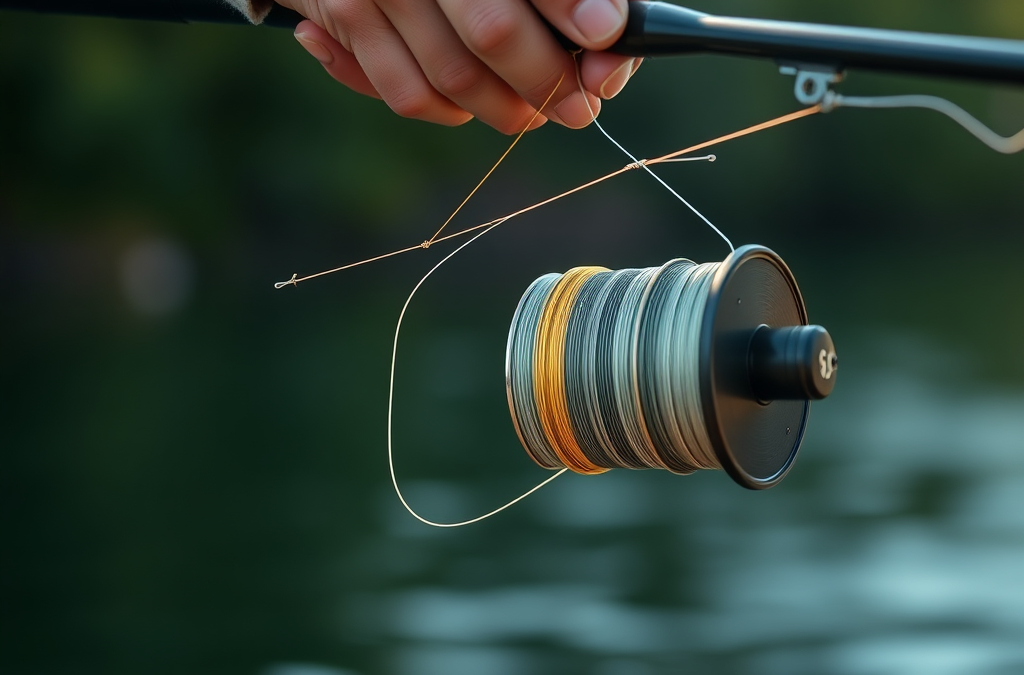
To select the best fishing line for your needs, consider the type of fishing you'll be doing, the line's strength, and the specific conditions you'll face. Monofilament, fluorocarbon, and braided lines each have unique benefits and limitations. Choose a line that balances strength and visibility, suitable for the species targeted and the environment fished.
Understanding Fishing Line Types
Choosing the right fishing line is critical for successful fishing. The main types of fishing lines are monofilament, fluorocarbon, and braided lines. Each type has specific characteristics that make it suitable for different fishing situations.

Monofilament line is the most common type and is favored for its versatility and ease of use. It has good stretch, which can help absorb shocks when a fish strikes. Monofilament is generally less expensive, making it a great choice for beginners.
Fluorocarbon line is known for its invisibility underwater, making it an excellent option for clear water conditions. It is denser than monofilament and sinks faster, which can be advantageous for certain fishing techniques. However, it tends to be less forgiving knot strength.
Braided line offers high strength with a smaller diameter, allowing anglers to spool more line on the reel. It has minimal stretch, providing excellent sensitivity and control. While braided line is durable and suitable for heavy cover fishing, its visibility can be a drawback in clear water.
Understanding Fishing Line Types matters because it turns select the best fishing line for your needs from a broad idea into a decision the reader can actually apply. The practical difference usually shows up in the details: how much is needed, when the choice is made, what tradeoff is acceptable, and what sign shows the approach is working. For technology topics, the strongest advice connects the user goal, system constraint, maintenance burden, and measurable outcome.
A useful way to handle this section is to compare the normal baseline with the situation that creates extra demand. If fishing is the baseline concern, then line becomes the adjustment point and monofilament becomes the outcome to watch. That keeps the advice specific without forcing the reader into a rigid formula that may not fit their routine, budget, tolerance, schedule, or current level of experience.
The most common mistake is changing too many variables at once. A better approach is to choose one measurable adjustment, use it consistently long enough to see a pattern, and then refine the next step based on energy, comfort, performance, safety, or reliability. This makes the guidance easier to trust because the reader can connect the recommendation to what they observe rather than guessing from a generic checklist.
The practical takeaway is to make the section actionable: identify the main constraint, choose the smallest useful change, and compare the result against the goal. When the outcome improves, the reader can keep the approach. When it does not, the next change should target the most likely bottleneck rather than repeating the same step with more effort.
Evaluating Line Strength and Test Ratings
Line strength is measured in pounds and refers to the amount of weight the line can handle before breaking. This is commonly referred to as the line’s test rating. When selecting a fishing line, it’s essential to choose a test rating that matches the target species and fishing conditions.
For example, if you are targeting larger species like pike or musky, you will need a line with a higher test rating to withstand their strength. Conversely, smaller species like trout can be caught with lighter lines. A general rule of thumb is to use a line with a test rating that is 10% higher than the weight of the fish you expect to catch.
Additionally, consider the fishing environment. If you’re fishing in heavy cover or rocky areas, you might need a stronger line to prevent breakage. Always check the manufacturer’s specifications for the line’s test rating and determine how it aligns with your fishing goals.
Evaluating Line Strength and Test Ratings matters because it turns select the best fishing line for your needs from a broad idea into a decision the reader can actually apply. The practical difference usually shows up in the details: how much is needed, when the choice is made, what tradeoff is acceptable, and what sign shows the approach is working. For pet topics, the strongest advice connects behavior, environment, consistency, health, and the animal’s response over time.
A useful way to handle this section is to compare the normal baseline with the situation that creates extra demand. If line is the baseline concern, then fishing becomes the adjustment point and test becomes the outcome to watch. That keeps the advice specific without forcing the reader into a rigid formula that may not fit their routine, budget, tolerance, schedule, or current level of experience.
The most common mistake is changing too many variables at once. A better approach is to choose one measurable adjustment, use it consistently long enough to see a pattern, and then refine the next step based on energy, comfort, performance, safety, or reliability. This makes the guidance easier to trust because the reader can connect the recommendation to what they observe rather than guessing from a generic checklist.
Matching Line to Fishing Conditions
Fishing conditions play a significant role in line selection. Different environments such as freshwater, saltwater, clear lakes, or murky rivers can impact the effectiveness of your fishing line choice. For instance, in clear water, a low-visibility line like fluorocarbon is often preferred, while in murky waters, a braided line with high visibility can help you detect bites more easily.
Consider the fishing technique as well. If you are using techniques that require finesse, like drop-shotting or finesse worm fishing, a lighter monofilament or fluorocarbon line may be more suitable. Conversely, for techniques that involve heavy lures or aggressive species, a stronger braided line is advisable.
Weather conditions can also affect your line choice. Windy conditions may require a heavier line to keep your lure stable in the water. Always assess the environment before heading out, and adjust your line choice accordingly.
Matching Line to Fishing Conditions matters because it turns select the best fishing line for your needs from a broad idea into a decision the reader can actually apply. The practical difference usually shows up in the details: how much is needed, when the choice is made, what tradeoff is acceptable, and what sign shows the approach is working. For technology topics, the strongest advice connects the user goal, system constraint, maintenance burden, and measurable outcome.
A useful way to handle this section is to compare the normal baseline with the situation that creates extra demand. If line is the baseline concern, then fishing becomes the adjustment point and conditions becomes the outcome to watch. That keeps the advice specific without forcing the reader into a rigid formula that may not fit their routine, budget, tolerance, schedule, or current level of experience.
Common Mistakes When Selecting Fishing Line
One of the most common mistakes anglers make is selecting a line that is too light for the target species. This can lead to breakage and lost fish. Ensure that your line’s test rating aligns with the size and strength of the fish you are targeting.

Another mistake is failing to consider the line’s visibility in different water conditions. Using a highly visible line in clear water can spook fish, while a line that is too invisible in murky water may lead to missed bites.
Lastly, anglers often overlook the importance of line maintenance. Old or damaged line can lead to poor performance, so it’s essential to check your line regularly for any signs of wear and replace it as needed. Proper storage and care of your fishing line can greatly enhance its longevity and effectiveness.
Common Mistakes When Selecting Fishing Line matters because it turns select the best fishing line for your needs from a broad idea into a decision the reader can actually coordinate. The practical difference usually shows up in the details: how much is needed, when the choice is made, what tradeoff is acceptable, and what sign shows the approach is working. For technology topics, the strongest advice connects the user goal, system constraint, maintenance burden, and measurable outcome.
A useful way to handle this section is to compare the normal baseline with the situation that creates extra demand. If line is the baseline concern, then fishing becomes the adjustment point and lead becomes the outcome to watch. That keeps the advice specific without forcing the reader into a rigid formula that may not fit their routine, budget, tolerance, schedule, or current level of experience.
Frequently Asked Questions
What are the main types of fishing line?
The main types of fishing line are monofilament, fluorocarbon, and braided lines, each with unique properties suited for different fishing conditions.
How do I determine the right line strength?
Choose a line strength that is at least 10% higher than the weight of the fish you aim to catch, considering the fishing environment.
What factors should I consider when choosing a fishing line?
Consider the type of fishing, species targeted, water clarity, and fishing techniques to select the most suitable fishing line.
Can I use the same line for different types of fishing?
While you can use the same line for various types of fishing, it's often best to match the line to specific conditions and species for optimal performance.
How often should I replace my fishing line?
Replace your fishing line regularly, especially if it shows signs of wear or after several fishing trips, to ensure optimal performance.
Further Reading
Authoritative Sources
- Investor.gov
investor.govSEC investor education resources for evaluating financial products and risk.
- FINRA Investor Insights
finra.orgInvestor education, broker-check tools, and financial decision resources.
- Consumer Financial Protection Bureau
consumerfinance.govConsumer guidance on credit, debt, lending, and financial products.
- Internal Revenue Service
irs.govOfficial tax guidance, forms, and compliance information.

