
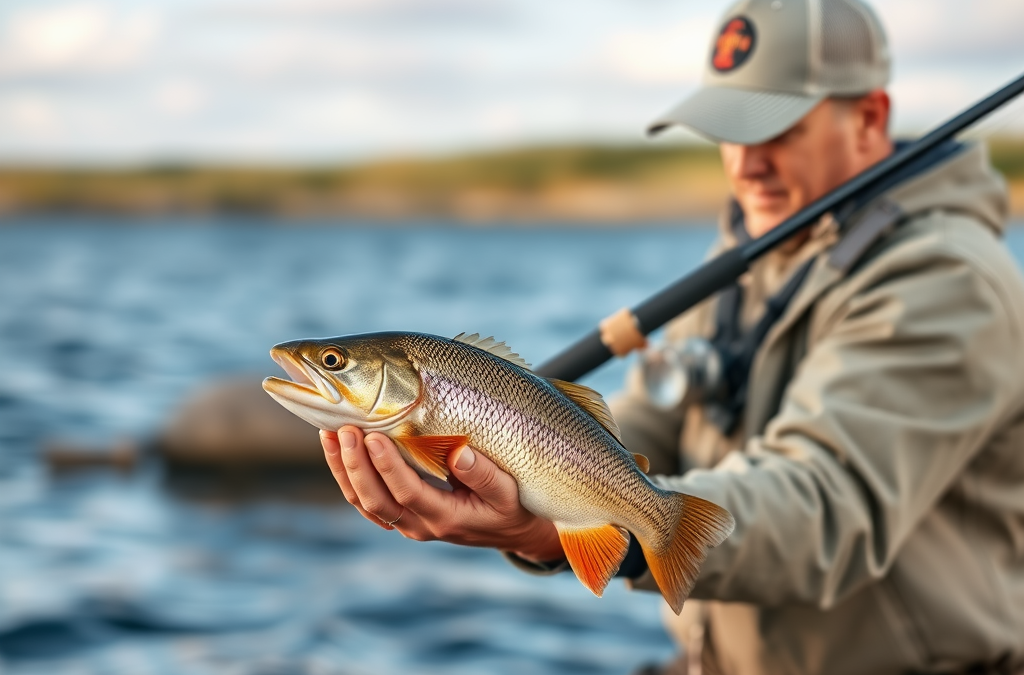
To improve your fishing skills through practice, focus on honing specific techniques such as casting, bait selection, and understanding fish behavior. Regularly practicing these skills in various conditions allows you to adapt and refine your approach. Engaging with experienced anglers can provide valuable insights and feedback, while maintaining a fishing journal helps track progress and identify areas for improvement.
Understanding the Importance of Practice in Fishing
Improving your fishing skills through practice is essential for becoming a proficient angler. Regular practice helps you develop muscle memory, enhances your understanding of various fishing techniques, and increases your adaptability to changing conditions. Practicing different fishing methods, such as fly fishing, bait casting, or trolling, allows you to discover which techniques work best for you and the specific environments you fish in. Furthermore, consistent practice builds confidence, enabling you to tackle more challenging fishing scenarios.

Engaging in practice sessions can also provide insights into fish behavior, helping you understand when and where to fish. For example, practicing at different times of the day and during various weather conditions can reveal patterns in fish activity. This knowledge is crucial when planning your fishing trips and can significantly increase your chances of success.
Understanding the Importance of Practice in Fishing matters because it turns improve your fishing skills through practice from a broad idea into a decision the reader can actually apply. The practical difference usually shows up in the details: how much is needed, when the choice is made, what tradeoff is acceptable, and what sign shows the approach is working. For technology topics, the strongest advice connects the user goal, system constraint, maintenance burden, and measurable outcome.
A useful way to handle this section is to compare the normal baseline with the situation that creates extra demand. If fishing is the baseline concern, then practice becomes the adjustment point and fish becomes the outcome to watch. That keeps the advice specific without forcing the reader into a rigid formula that may not fit their routine, budget, tolerance, schedule, or current level of experience.
The most common mistake is changing too many variables at once. A better approach is to choose one measurable adjustment, use it consistently long enough to see a pattern, and then refine the next step based on energy, comfort, performance, safety, or reliability. This makes the guidance easier to trust because the reader can connect the recommendation to what they observe rather than guessing from a generic checklist.
The practical takeaway is to make the section actionable: identify the main constraint, choose the smallest useful change, and compare the result against the goal. When the outcome improves, the reader can keep the approach. When it does not, the next change should target the most likely bottleneck rather than repeating the same step with more effort.
Key Techniques to Practice for Better Fishing
Several key techniques can be practiced to improve your fishing skills. These include casting accuracy, bait selection, and understanding water dynamics. Focusing on these areas will enable you to become a more effective angler.
Casting Accuracy
Practicing your casting accuracy is fundamental to fishing success. A well-placed cast can mean the difference between a catch and a missed opportunity. To improve your casting accuracy, find a suitable practice location, such as a park or a quiet stretch of water. Use targets to hone your skills, gradually increasing the distance and complexity of your casts.
Bait Selection
Understanding bait selection is another critical aspect of fishing. Different fish species respond to various types of bait, so practicing with a range of options is essential. Spend time experimenting with live bait, lures, and artificial flies to determine which work best for the fish in your local waters. Additionally, familiarize yourself with seasonal patterns and preferences of your target species to enhance your bait selection strategy.
Understanding Water Dynamics
Water dynamics play a significant role in fishing success. Factors such as currents, temperature, and structure affect fish behavior. Practicing your skills in different water conditions will help you learn how to read the water and identify productive fishing spots. For instance, observe how fish position themselves near underwater structures or current breaks. This knowledge is invaluable when choosing where to cast your line.
Key Techniques to Practice for Better Fishing matters because it turns improve your fishing skills through practice from a broad idea into a decision the reader can actually apply. The practical difference usually shows up in the details: how much is needed, when the choice is made, what tradeoff is acceptable, and what sign shows the approach is working. For technology topics, the strongest advice connects the user goal, system constraint, maintenance burden, and measurable outcome.
A useful way to handle this section is to compare the normal baseline with the situation that creates extra demand. If fishing is the baseline concern, then bait becomes the adjustment point and water becomes the outcome to watch. That keeps the advice specific without forcing the reader into a rigid formula that may not fit their routine, budget, tolerance, schedule, or current level of experience.
The most common mistake is changing too many variables at once. A better approach is to choose one measurable adjustment, use it consistently long enough to see a pattern, and then refine the next step based on energy, comfort, performance, safety, or reliability. This makes the guidance easier to trust because the reader can connect the recommendation to what they observe rather than guessing from a generic checklist.
The practical takeaway is to make the section actionable: identify the main constraint, choose the smallest useful change, and compare the result against the goal. When the outcome improves, the reader can keep the approach. When it does not, the next change should target the most likely bottleneck rather than repeating the same step with more effort.
Real-World Applications of Fishing Skills
Applying your practiced skills in real-world situations is essential for growth as an angler. Organizing fishing trips with friends or joining local fishing clubs can provide opportunities to test your skills and learn from others. Engaging with experienced anglers can also offer valuable insights and tips that can help you refine your techniques further.

Participating in fishing tournaments is another excellent way to apply your skills under pressure. Competing against other anglers can push you to improve your techniques and adapt to different fishing environments quickly. Even if you do not win, the experience gained from tournaments can be invaluable.
Real-World Applications of Fishing Skills matters because it turns improve your fishing skills through practice from a broad idea into a decision the reader can actually apply. The practical difference usually shows up in the details: how much is needed, when the choice is made, what tradeoff is acceptable, and what sign shows the approach is working. For technology topics, the strongest advice connects the user goal, system constraint, maintenance burden, and measurable outcome.
A useful way to handle this section is to compare the normal baseline with the situation that creates extra demand. If fishing is the baseline concern, then skills becomes the adjustment point and improve becomes the outcome to watch. That keeps the advice specific without forcing the reader into a rigid formula that may not fit their routine, budget, tolerance, schedule, or current level of experience.
The most common mistake is changing too many variables at once. A better approach is to choose one measurable adjustment, use it consistently long enough to see a pattern, and then refine the next step based on energy, comfort, performance, safety, or reliability. This makes the guidance easier to trust because the reader can connect the recommendation to what they observe rather than guessing from a generic checklist.
Common Mistakes and How to Avoid Them
Even experienced anglers can make mistakes that hinder their fishing success. One common error is failing to adapt to changing conditions. Weather, water temperature, and fish activity can fluctuate, so being flexible in your approach is crucial. Regular practice helps you develop the ability to adjust your techniques based on these factors.
Another mistake is neglecting to research local fishing regulations and guidelines. Understanding the rules regarding catch limits, seasons, and specific gear restrictions is vital to ensure a successful and responsible fishing experience. Always stay informed about local regulations to avoid potential fines and contribute to sustainable fishing practices.
Common Mistakes and How to Avoid Them matters because it turns improve your fishing skills through practice from a broad idea into a decision the reader can actually prevent. The practical difference usually shows up in the details: how much is needed, when the choice is made, what tradeoff is acceptable, and what sign shows the approach is working. For technology topics, the strongest advice connects the user goal, system constraint, maintenance burden, and measurable outcome.
A useful way to handle this section is to compare the normal baseline with the situation that creates extra demand. If fishing is the baseline concern, then practice becomes the adjustment point and improve becomes the outcome to watch. That keeps the advice specific without forcing the reader into a rigid formula that may not fit their routine, budget, tolerance, schedule, or current level of experience.
The most common mistake is changing too many variables at once. A better approach is to choose one measurable adjustment, use it consistently long enough to see a pattern, and then refine the next step based on energy, comfort, performance, safety, or reliability. This makes the guidance easier to trust because the reader can connect the recommendation to what they observe rather than guessing from a generic checklist.
Further Reading
Authoritative Sources
- Investor.gov
investor.govSEC investor education resources for evaluating financial products and risk.
- FINRA Investor Insights
finra.orgInvestor education, broker-check tools, and financial decision resources.
- Consumer Financial Protection Bureau
consumerfinance.govConsumer guidance on credit, debt, lending, and financial products.
- Internal Revenue Service
irs.govOfficial tax guidance, forms, and compliance information.

