
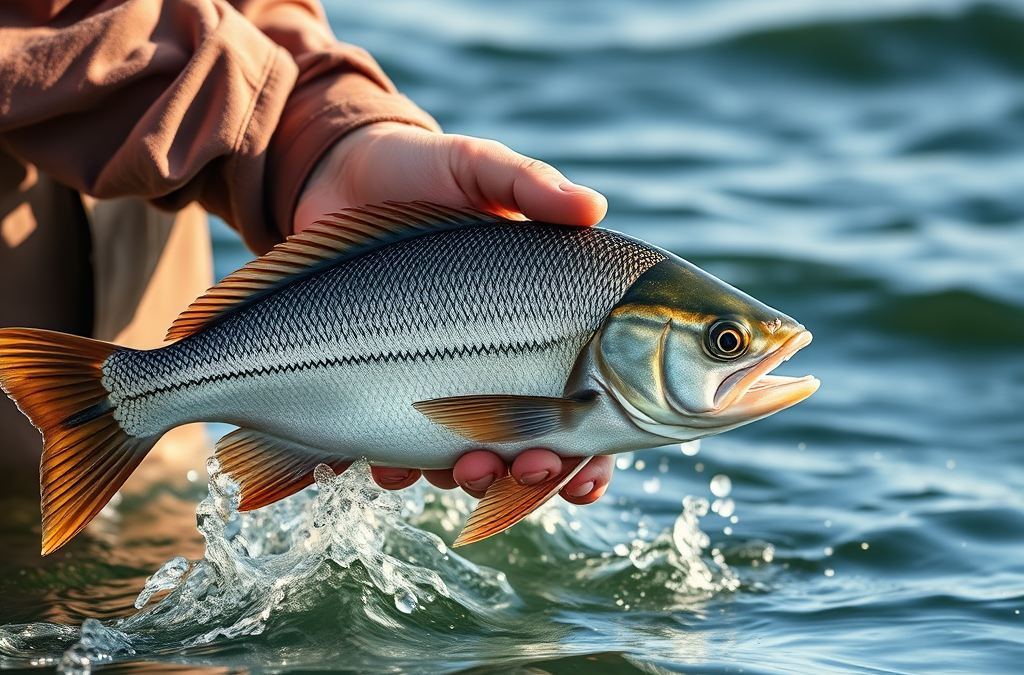
To identify and avoid overfished areas, look for signs like declining fish populations, reduced catch sizes, and increased fishing pressure. Utilize resources such as local fishery reports and regulations to stay informed about the status of specific areas. Understanding the ecological balance and seasonal patterns can also help in making informed decisions about where to fish, ensuring sustainable practices and better fishing experiences.
Understanding Overfishing
Overfishing occurs when fish are caught at a rate faster than they can reproduce, leading to a significant decline in fish populations. This phenomenon not only affects the target species but also disrupts the entire aquatic ecosystem. Understanding the implications of overfishing is crucial for sustainable fishing practices and maintaining ecological balance. The long-term effects can include loss of biodiversity, changes in species composition, and the collapse of local fisheries, which directly impacts communities that rely on fishing for their livelihood.

Common misconceptions about overfishing include the belief that certain areas are immune to its effects or that fish populations can rebound quickly. In reality, the recovery of overfished stocks can take years, if not decades, depending on the species and environmental conditions. Fishermen need to be proactive in recognizing these issues and adapting their practices accordingly.
Understanding Overfishing matters because it turns identify and avoid overfished areas from a broad idea into a decision the reader can actually apply. The practical difference usually shows up in the details: how much is needed, when the choice is made, what tradeoff is acceptable, and what sign shows the approach is working. For technology topics, the strongest advice connects the user goal, system constraint, maintenance burden, and measurable outcome.
A useful way to handle this section is to compare the normal baseline with the situation that creates extra demand. If overfishing is the baseline concern, then overfished becomes the adjustment point and areas becomes the outcome to watch. That keeps the advice specific without forcing the reader into a rigid formula that may not fit their routine, budget, tolerance, schedule, or current level of experience.
The most common mistake is changing too many variables at once. A better approach is to choose one measurable adjustment, use it consistently long enough to see a pattern, and then refine the next step based on energy, comfort, performance, safety, or reliability. This makes the guidance easier to trust because the reader can connect the recommendation to what they observe rather than guessing from a generic checklist.
The practical takeaway is to make the section actionable: identify the main constraint, choose the smallest useful change, and compare the result against the goal. When the outcome improves, the reader can keep the approach. When it does not, the next change should target the most likely bottleneck rather than repeating the same step with more effort.
Identifying Overfished Areas
Identifying overfished areas involves observing several key indicators. One major sign is a noticeable decline in fish populations, which may manifest as fewer catches or smaller sizes of fish compared to previous years. Additionally, increased fishing pressure is often evident through more boats and gear in a particular area, which can lead to overexploitation.
Local fishery reports and scientific assessments can provide valuable data on the health of fish stocks in specific regions. These resources typically include information on catch limits, population assessments, and regulations aimed at protecting vulnerable species. Fishermen should also look for community feedback and experiences, as local knowledge can often highlight changes in fish availability.
Identifying Overfished Areas matters because it turns identify and avoid overfished areas from a broad idea into a decision the reader can actually apply. The practical difference usually shows up in the details: how much is needed, when the choice is made, what tradeoff is acceptable, and what sign shows the approach is working. For technology topics, the strongest advice connects the user goal, system constraint, maintenance burden, and measurable outcome.
A useful way to handle this section is to compare the normal baseline with the situation that creates extra demand. If overfished is the baseline concern, then areas becomes the adjustment point and fish becomes the outcome to watch. That keeps the advice specific without forcing the reader into a rigid formula that may not fit their routine, budget, tolerance, schedule, or current level of experience.
The most common mistake is changing too many variables at once. A better approach is to choose one measurable adjustment, use it consistently long enough to see a pattern, and then refine the next step based on energy, comfort, performance, safety, or reliability. This makes the guidance easier to trust because the reader can connect the recommendation to what they observe rather than guessing from a generic checklist.
The practical takeaway is to make the section actionable: identify the main constraint, choose the smallest useful change, and compare the result against the goal. When the outcome improves, the reader can keep the approach. When it does not, the next change should target the most likely bottleneck rather than repeating the same step with more effort.
Resources for Fishermen
To effectively navigate the complexities of fishing sustainably, various resources are available to assist fishermen in identifying overfished areas. Government agencies and environmental organizations often publish reports detailing the status of fish populations and regional fishing regulations. Websites like NOAA Fisheries and local wildlife departments provide up-to-date information on fishing limits, seasonal closures, and conservation efforts.
Mobile applications designed for fishermen can also be beneficial. These apps often include features that track catch sizes, provide information on local regulations, and offer insights into fish populations based on user data. Engaging with local fishing communities, both online and offline, can foster a culture of sustainability and shared knowledge that benefits all anglers.
Resources for Fishermen matters because it turns identify and avoid overfished areas from a broad idea into a decision the reader can actually apply. The practical difference usually shows up in the details: how much is needed, when the choice is made, what tradeoff is acceptable, and what sign shows the approach is working. For technology topics, the strongest advice connects the user goal, system constraint, maintenance burden, and measurable outcome.
A useful way to handle this section is to compare the normal baseline with the situation that creates extra demand. If fishing is the baseline concern, then overfished becomes the adjustment point and areas becomes the outcome to watch. That keeps the advice specific without forcing the reader into a rigid formula that may not fit their routine, budget, tolerance, schedule, or current level of experience.
Practical Strategies to Avoid Overfished Areas
A proactive approach to avoid overfished areas includes diversifying fishing locations and employing sustainable practices. By varying fishing spots, anglers can reduce pressure on any single area, allowing fish populations to recover. Additionally, practicing catch and release can help maintain fish stocks and promote sustainability.
Understanding seasonal patterns is crucial as well. Fish migrate and spawn at different times of the year, and being aware of these cycles can guide fishermen to areas with healthier populations. Fishermen should also invest in education and training about sustainable fishing practices, which can further enhance their ability to contribute positively to the ecosystem.
Lastly, advocating for and participating in local conservation efforts can create a more sustainable fishing environment. Many communities have initiatives aimed at protecting overfished areas, and being involved can help ensure the longevity of fishing resources for future generations.

Practical Strategies to Avoid Overfished Areas matters because it turns identify and avoid overfished areas from a broad idea into a decision the reader can actually prevent. The practical difference usually shows up in the details: how much is needed, when the choice is made, what tradeoff is acceptable, and what sign shows the approach is working. For finance topics, the strongest advice connects risk, cash flow, timing, and the tradeoff behind each decision.
A useful way to handle this section is to compare the normal baseline with the situation that creates extra demand. If areas is the baseline concern, then overfished becomes the adjustment point and fishing becomes the outcome to watch. That keeps the advice specific without forcing the reader into a rigid formula that may not fit their routine, budget, tolerance, schedule, or current level of experience.
The most common mistake is changing too many variables at once. A better approach is to choose one measurable adjustment, use it consistently long enough to see a pattern, and then refine the next step based on energy, comfort, performance, safety, or reliability. This makes the guidance easier to trust because the reader can connect the recommendation to what they observe rather than guessing from a generic checklist.
Frequently Asked Questions
What are the signs of overfishing in an area?
Signs of overfishing include reduced fish populations, smaller average sizes of caught fish, and increased competition among fishermen in a specific area.
How can I find out if a fishing area is overfished?
Consult local fishery reports, check governmental and environmental organization websites, and engage with the local fishing community for insights.
What practices can help reduce overfishing?
Practices include catch and release, diversifying fishing locations, and following local regulations on catch limits and fishing seasons.
Why is overfishing a problem?
Overfishing leads to the depletion of fish stocks, disrupts ecosystems, and can collapse local fishing economies, impacting communities reliant on fishing.
How can I contribute to sustainable fishing?
Participate in local conservation efforts, educate yourself on sustainable practices, and support policies that protect fish populations and habitats.
Further Reading
Authoritative Sources
- Academy of Nutrition and Dietetics
eatright.orgProfessional nutrition guidance, healthy eating resources, and practical dietitian-reviewed advice.
- U.S. Department of Agriculture
usda.govOfficial food, nutrition, agriculture, and consumer guidance from the USDA.
- NIH Office of Dietary Supplements
ods.od.nih.govResearch-based fact sheets on nutrients, supplements, dietary intake, and safety considerations.
- International Society of Sports Nutrition
sportsnutritionsociety.orgEvidence-informed sports nutrition resources and position stands for active people and athletes.

