
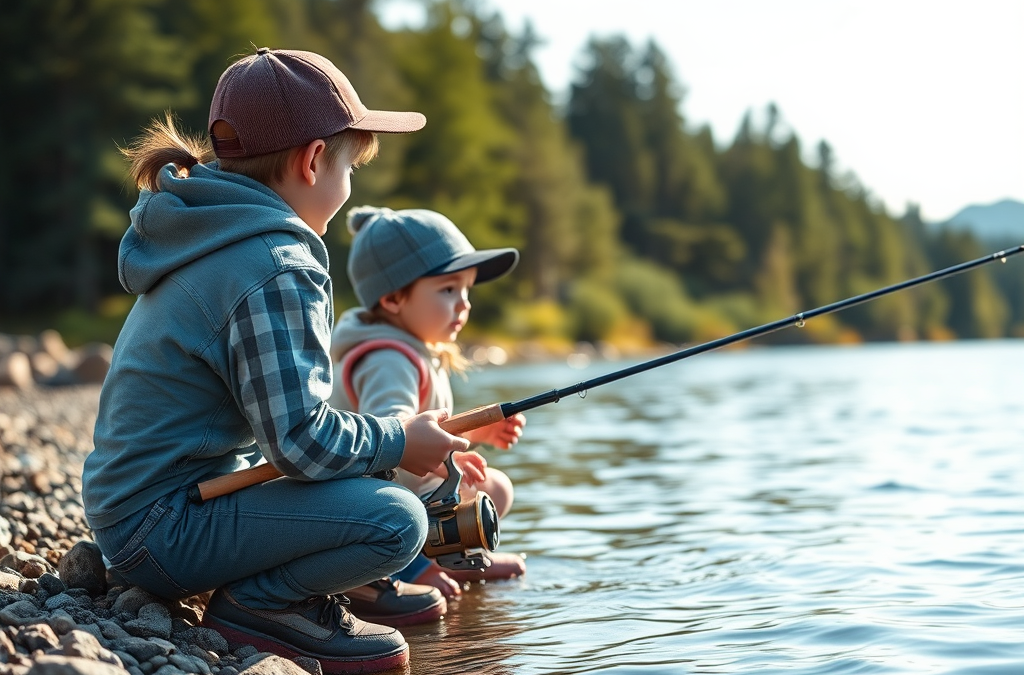
Fishing with kids on a budget can be enjoyable and rewarding by focusing on low-cost gear, local spots, and engaging activities. Start by using basic fishing equipment, like a simple rod and reel, and explore nearby ponds or streams that don't require a fishing license. Incorporate fun games, like fish-themed scavenger hunts, to keep kids engaged while teaching them essential fishing skills.
Choosing Affordable Fishing Gear
When fishing with kids on a budget, selecting affordable gear is crucial. Basic fishing equipment such as a simple rod and reel can often be found at local sporting goods stores or online at reasonable prices. Look for starter kits designed for children, which typically include a rod, reel, and tackle, all in one package. This can save you time and money.

Another option is to consider used or refurbished gear. Many local shops or online marketplaces have listings for gently used fishing equipment that can be significantly cheaper than buying new. Make sure to inspect any used gear for functionality before purchasing.
It’s essential to choose gear that’s appropriate for the child’s age and size. Lightweight rods are easier for kids to handle, and spincast reels are user-friendly, reducing frustration. Teaching them how to use the equipment properly is vital, ensuring they feel confident and enjoy their time on the water.
Choosing Affordable Fishing Gear matters because it turns tips for fishing with kids on a budget from a broad idea into a decision the reader can actually apply. The practical difference usually shows up in the details: how much is needed, when the choice is made, what tradeoff is acceptable, and what sign shows the approach is working. For finance topics, the strongest advice connects risk, cash flow, timing, and the tradeoff behind each decision.
A useful way to handle this section is to compare the normal baseline with the situation that creates extra demand. If fishing is the baseline concern, then gear becomes the adjustment point and kids becomes the outcome to watch. That keeps the advice specific without forcing the reader into a rigid formula that may not fit their routine, budget, tolerance, schedule, or current level of experience.
The most common mistake is changing too many variables at once. A better approach is to choose one measurable adjustment, use it consistently long enough to see a pattern, and then refine the next step based on energy, comfort, performance, safety, or reliability. This makes the guidance easier to trust because the reader can connect the recommendation to what they observe rather than guessing from a generic checklist.
The practical takeaway is to make the section actionable: identify the main constraint, choose the smallest useful change, and compare the result against the goal. When the outcome improves, the reader can keep the approach. When it does not, the next change should target the most likely bottleneck rather than repeating the same step with more effort.
Finding Budget-Friendly Fishing Locations
Identifying local fishing spots that don’t require hefty fees can enhance your fishing experience without breaking the bank. Many states offer free fishing days, allowing families to fish without needing a license. Research local parks, lakes, or rivers that have designated fishing areas, as these often have minimal or no fees.
Community fishing events can also provide access to stocked ponds where kids can easily catch fish. These events often include free gear rentals, making it an excellent opportunity for families to bond without incurring extra costs.
Don’t overlook the possibility of fishing from the shore or a public dock, as these areas are typically free and provide ample opportunity for children to learn and practice their skills. Always check local regulations to ensure you’re fishing in designated areas and following all necessary guidelines.
Finding Budget-Friendly Fishing Locations matters because it turns tips for fishing with kids on a budget from a broad idea into a decision the reader can actually apply. The practical difference usually shows up in the details: how much is needed, when the choice is made, what tradeoff is acceptable, and what sign shows the approach is working. For finance topics, the strongest advice connects risk, cash flow, timing, and the tradeoff behind each decision.
A useful way to handle this section is to compare the normal baseline with the situation that creates extra demand. If fishing is the baseline concern, then kids becomes the adjustment point and local becomes the outcome to watch. That keeps the advice specific without forcing the reader into a rigid formula that may not fit their routine, budget, tolerance, schedule, or current level of experience.
The most common mistake is changing too many variables at once. A better approach is to choose one measurable adjustment, use it consistently long enough to see a pattern, and then refine the next step based on energy, comfort, performance, safety, or reliability. This makes the guidance easier to trust because the reader can connect the recommendation to what they observe rather than guessing from a generic checklist.
Engaging Activities to Make Fishing Fun
To keep kids engaged while fishing, incorporate fun and interactive activities into your outing. One idea is to create a fishing-themed scavenger hunt where kids can search for specific items, such as different types of leaves, rocks, or even fish species. This not only keeps them occupied but also teaches them about the environment and local wildlife.
Another fun activity is to have kids help with the baiting process. Teaching them how to use worms or lures can be both educational and entertaining. You can also set challenges, such as who can catch the most fish within a certain time frame, to add a competitive element to the outing.
Finally, encourage creativity by having kids draw or write about their fishing experiences. This can be a fun way to document their adventures and reflect on what they learned during the trip.
Engaging Activities to Make Fishing Fun matters because it turns tips for fishing with kids on a budget from a broad idea into a decision the reader can actually apply. The practical difference usually shows up in the details: how much is needed, when the choice is made, what tradeoff is acceptable, and what sign shows the approach is working. For finance topics, the strongest advice connects risk, cash flow, timing, and the tradeoff behind each decision.
A useful way to handle this section is to compare the normal baseline with the situation that creates extra demand. If kids is the baseline concern, then fishing becomes the adjustment point and activities becomes the outcome to watch. That keeps the advice specific without forcing the reader into a rigid formula that may not fit their routine, budget, tolerance, schedule, or current level of experience.
Safety Tips for Kids While Fishing
Safety is paramount when fishing with children. Ensure that they wear life jackets if you’re near deep water or on a boat. It’s also wise to establish clear boundaries about where they can go and what they can do while fishing.
Teach kids about fishing safety, including how to handle hooks properly and what to do if they catch a fish. Always supervise them closely, especially when using sharp tools or handling fish. Having a first aid kit on hand is also a good practice in case of minor injuries.

Lastly, instill the importance of sun protection. Apply sunscreen regularly and encourage kids to wear hats and sunglasses to protect themselves from sun exposure. Keeping hydrated is equally important, so bring plenty of water for everyone.
Safety Tips for Kids While Fishing matters because it turns tips for fishing with kids on a budget from a broad idea into a decision the reader can actually apply. The practical difference usually shows up in the details: how much is needed, when the choice is made, what tradeoff is acceptable, and what sign shows the approach is working. For finance topics, the strongest advice connects risk, cash flow, timing, and the tradeoff behind each decision.
A useful way to handle this section is to compare the normal baseline with the situation that creates extra demand. If fishing is the baseline concern, then kids becomes the adjustment point and tips becomes the outcome to watch. That keeps the advice specific without forcing the reader into a rigid formula that may not fit their routine, budget, tolerance, schedule, or current level of experience.
The most common mistake is changing too many variables at once. A better approach is to choose one measurable adjustment, use it consistently long enough to see a pattern, and then refine the next step based on energy, comfort, performance, safety, or reliability. This makes the guidance easier to trust because the reader can connect the recommendation to what they observe rather than guessing from a generic checklist.
Frequently Asked Questions
What is the best age to start fishing with kids?
Kids can start fishing as young as 3-4 years old, but it's best to introduce them to the activity gradually, focusing on fun and safety.
How can I make fishing more enjoyable for my kids?
Incorporate games, challenges, and interactive activities like scavenger hunts to keep them engaged and excited about fishing.
What type of fishing gear is best for beginners?
Simple spincast reels and lightweight rods are ideal for beginners, as they are easy to use and handle, reducing frustration.
Are there free fishing locations for families?
Yes, many states have free fishing days and public parks with designated fishing areas that families can access without fees.
How can I teach my kids about fishing safety?
Teach them about handling hooks, wearing life jackets, and setting clear boundaries while fishing to ensure a safe experience.
Further Reading
Authoritative Sources
- Investor.gov
investor.govSEC investor education resources for evaluating financial products and risk.
- FINRA Investor Insights
finra.orgInvestor education, broker-check tools, and financial decision resources.
- Consumer Financial Protection Bureau
consumerfinance.govConsumer guidance on credit, debt, lending, and financial products.
- Internal Revenue Service
irs.govOfficial tax guidance, forms, and compliance information.
Conclusion
Fishing with kids on a budget can be a rewarding experience that fosters family bonding and teaches essential skills. By choosing affordable gear, finding budget-friendly locations, and incorporating fun activities, you can create memorable fishing outings without spending a fortune. Prioritize safety and engagement to ensure that your children develop a love for fishing that lasts a lifetime.

