
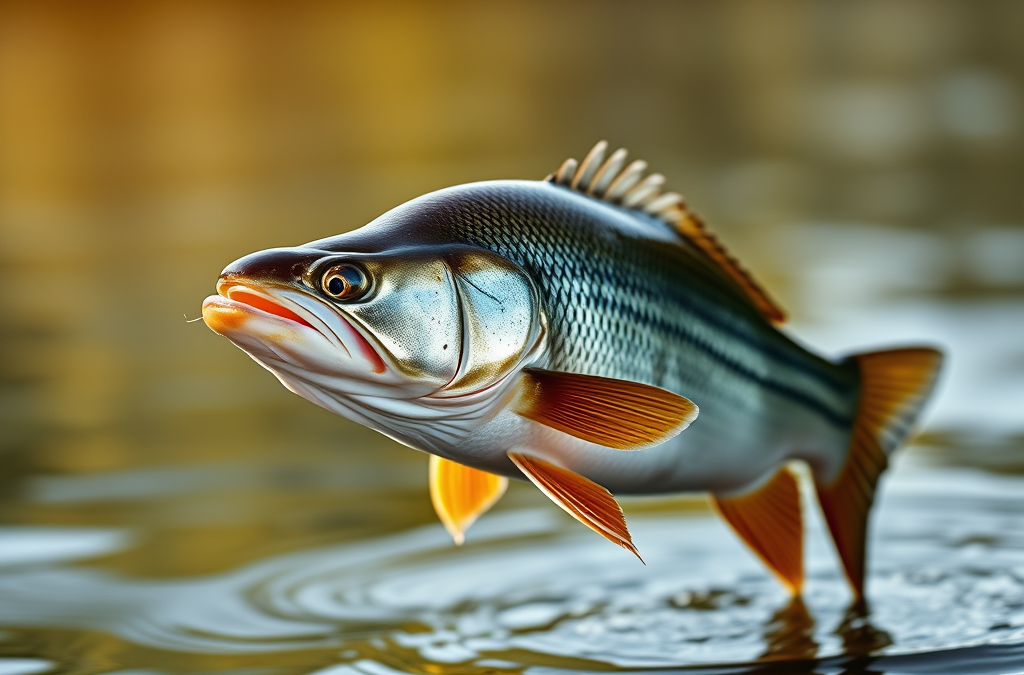
If fish are only biting at specific times, adjust your fishing schedule to align with their active feeding periods, which often coincide with dawn and dusk. Utilize local weather conditions and seasonal patterns to predict these peak times. Consider experimenting with different bait types and techniques during these hours to maximize your chances of a successful catch. Understanding fish behavior and habitat can further enhance your fishing strategy.
Understanding Fish Behavior and Feeding Times
Fish behavior is largely influenced by environmental factors, including light, temperature, and food availability. Most fish species exhibit specific feeding patterns, often feeding more actively during dawn and dusk, known as crepuscular feeding. This is due to lower light levels that provide cover from predators while also making prey more accessible. Understanding these patterns is essential for successful fishing, as it allows anglers to target their efforts when fish are most likely to bite.

Moreover, different species have varying peak feeding times. For example, bass tend to be more active in the early morning and late afternoon, while catfish may feed more at night. By identifying the species you are targeting, you can better predict their behavior and optimize your fishing schedule.
Adjusting Your Fishing Schedule
To increase your chances of success when fish are only biting at specific times, consider adjusting your fishing schedule to coincide with these peak periods. This may require early mornings or late evenings, depending on the species and local conditions. Additionally, it is important to be flexible and willing to change your plans based on real-time observations and local reports.
Utilizing fishing apps and websites can provide valuable insights into local fishing conditions and peak times for different species. Keeping a fishing journal can also help you track patterns over time, allowing you to make informed decisions about when to fish. By being proactive and adjusting your schedule, you can significantly improve your catch rate.
Choosing the Right Bait and Techniques
The choice of bait and fishing techniques can greatly influence your success during specific feeding times. During peak activity periods, fish are often more aggressive and may respond well to a variety of baits. Live bait, such as worms or minnows, can be particularly effective, as they mimic the natural food sources that fish are accustomed to.
However, artificial lures can also be effective when timed correctly. Brightly colored lures or those that imitate the movement of prey can attract fish during their active feeding times. Experimenting with different types of lures and techniques, such as trolling or jigging, can help you determine what works best for the specific species you are targeting.
Leveraging Environmental Factors
Environmental factors such as weather, water temperature, and moon phases can significantly impact fish behavior and feeding times. For instance, overcast days often lead to increased fish activity, as the diffused light allows for more comfortable feeding conditions. On the other hand, bright sunny days may lead to reduced activity, pushing fish to deeper waters.
Water temperature is another critical factor to consider. Fish are cold-blooded creatures, and their metabolism is directly affected by the temperature of their environment. Warmer water typically increases fish activity, while colder water can slow it down. Understanding these environmental cues can help you better predict when fish are likely to be biting.
For those interested in delving deeper into fishing strategies and techniques, consider exploring resources from local fishing organizations or guides. These can provide valuable insights into specific species behavior, seasonal patterns, and regional fishing tips.

Frequently Asked Questions
What times are best for fishing?
The best times for fishing are typically early morning and late afternoon when fish are most active.
How does weather affect fish feeding times?
Overcast conditions can increase fish activity, while bright sunny days may lead to reduced feeding.
What bait works best during peak feeding times?
Live bait like worms or minnows is often effective, but bright artificial lures can also attract fish.
Can fish behavior change seasonally?
Yes, fish behavior can change with the seasons, influencing their feeding patterns and locations.
Should I track my fishing results?
Yes, keeping a fishing journal can help you identify patterns and improve your fishing strategy over time.
Further Reading
Authoritative Sources
- American Kennel Club Training Resources
akc.orgTraining and behavior guidance for common puppy and dog obedience situations
- ASPCA Pet Care and Behavior Resources
aspca.orgHumane pet-care and behavior resources for practical owner decisions
- American Veterinary Medical Association Pet Owner Resources
avma.orgVeterinary-backed pet owner guidance on health, safety, and care
Conclusion
Understanding the specific times when fish are biting is crucial for any angler. By aligning your fishing schedule with peak feeding times, choosing the right bait, and leveraging environmental factors, you can significantly enhance your chances of a successful catch. Stay observant and adaptable, and don’t hesitate to adjust your techniques as needed to match the behavior of the fish you are targeting.

