
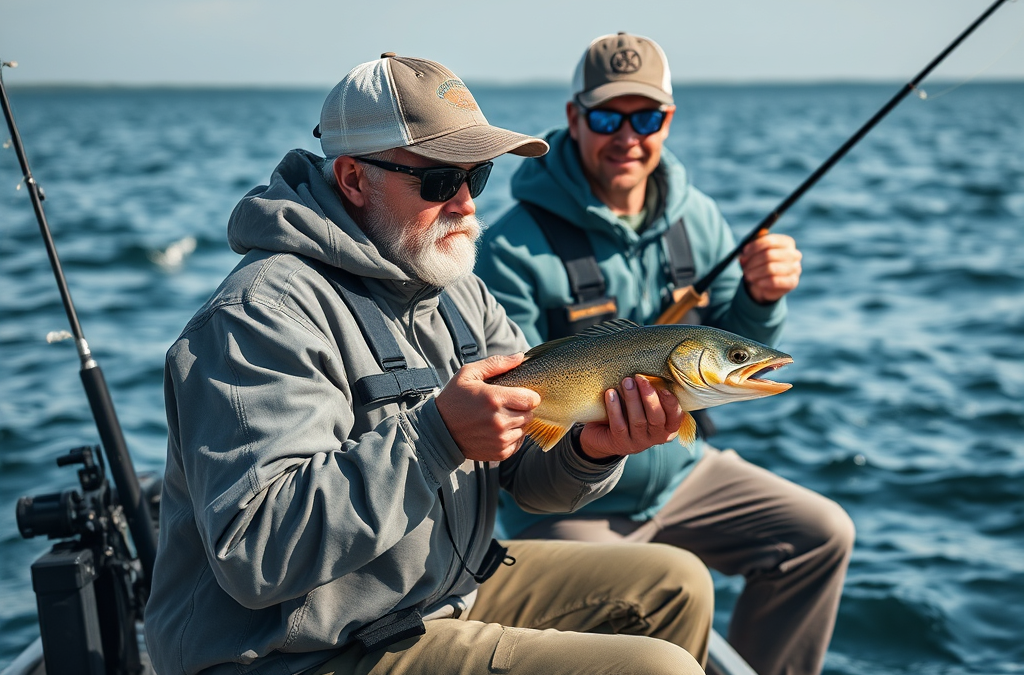
Using technology can significantly enhance your fishing trips by providing tools like fish finders, mobile apps for tracking weather and tides, and online resources for learning about local fishing spots. These technologies improve your chances of success by offering real-time data and insights. For example, fish finders utilize sonar to identify underwater structures and fish activity, while mobile apps can alert you to optimal fishing conditions. Embracing these tools allows for more informed decisions and a better overall fishing experience.
Understanding the Role of Technology in Fishing
Technology has fundamentally changed the landscape of fishing, transforming it from a purely instinctual endeavor into a data-driven activity that can significantly enhance both effectiveness and enjoyment. Modern anglers now have access to an array of sophisticated tools that provide invaluable information, enabling informed decision-making that can lead to better fishing outcomes. The integration of technology into fishing practices not only improves success rates but also contributes to a safer and more organized experience on the water.

One of the key advantages of technology in fishing is the ability to gather real-time data on environmental conditions. For instance, advanced sonar systems and fish finders provide insight into water temperatures, fish activity, and underwater structures. This information allows anglers to adapt their strategies based on the current conditions. For example, if a fish finder indicates a drop in water temperature, it might suggest that fish have moved to deeper waters. By understanding these dynamics, anglers can adjust their techniques accordingly, increasing their chances of success.
Moreover, GPS technology has revolutionized navigation on the water. Anglers can now easily mark hotspots and navigate back to them with precision, eliminating the guesswork that often accompanies fishing trips in unfamiliar waters. Digital mapping tools further enhance this capability, offering a detailed view of underwater topography. This depth of understanding aids in targeting specific areas where fish are likely to congregate, thereby minimizing the time spent searching and maximizing the actual fishing time.
However, while technology offers numerous benefits, it is essential to strike a balance between reliance on gadgets and traditional fishing skills. Some purists argue that over-dependence on technology can detract from the experience of fishing, reducing it to a mere data-collecting exercise. They contend that the thrill of fishing lies in the unpredictability of nature and the skills of the angler. Thus, a thoughtful integration of technology, rather than an outright replacement of traditional methods, is advisable for a fulfilling fishing experience.
In summary, understanding the role of technology in fishing is crucial for modern anglers. By leveraging tools like fish finders and GPS devices, anglers can enhance their fishing trips, making them more productive and enjoyable. The key lies in using these tools to complement traditional fishing knowledge and skills.
Essential Fishing Technologies and Tools
When it comes to enhancing fishing trips, several key technologies stand out for their effectiveness and utility. Among these, fish finders, GPS devices, and weather tracking tools are essential for modern anglers. Understanding how to utilize each of these tools can significantly impact the success of fishing endeavors.
Fish finders are arguably one of the most valuable technological advancements in fishing. Utilizing sonar technology, these devices can detect fish and underwater structures, offering a visual representation of what lies beneath the surface. This capability allows anglers to identify productive fishing areas, increasing their chances of landing a catch. For example, a fish finder can reveal the presence of underwater ledges or schools of baitfish, indicating where larger game fish may be lurking. Many modern fish finders also incorporate GPS functionality, enabling users to save and return to previously identified hotspots.
GPS devices play a critical role in navigation, particularly in unfamiliar waters. They provide accurate location data, allowing anglers to safely reach their favorite fishing spots without the risk of getting lost. Many fishing boats now come equipped with integrated GPS systems that work seamlessly with fish finders, offering a comprehensive solution for navigation and fish tracking. This integration not only enhances safety but also streamlines the fishing process, allowing anglers to focus more on fishing rather than navigating.
Weather tracking tools are another essential component of modern fishing. Apps that provide real-time weather updates, tide information, and lunar phases can significantly influence fishing success. For instance, certain species are known to be more active during specific lunar phases, making it crucial for anglers to plan trips around these occurrences. By utilizing weather tracking apps, anglers can stay informed about changing conditions, ensuring they are prepared for any situation that may arise.
While these technologies offer significant advantages, it is essential to understand their limitations. For example, fish finders may not always provide accurate readings in shallow waters or heavily vegetated areas. Similarly, GPS systems can sometimes struggle in densely wooded or urban environments where signal interference occurs. Therefore, anglers should remain adaptable and combine their technological tools with traditional fishing skills to ensure success.
In conclusion, the essential fishing technologies and tools available today can dramatically enhance the fishing experience. Fish finders, GPS devices, and weather tracking tools each serve distinct purposes that, when effectively utilized, can lead to a more productive and enjoyable fishing trip.
Using Mobile Applications for Fishing Success
Mobile applications have become indispensable for anglers, providing a wealth of resources that can enhance fishing experiences. These apps serve various purposes, from planning trips to tracking catches and connecting with other fishing enthusiasts. Understanding how to leverage these applications can significantly impact your fishing success.
Trip planning apps, such as Fishbrain and Angler, allow users to log their fishing trips, track catches, and share experiences with a community of anglers. These platforms often include social features that enable users to connect and exchange tips, fostering a supportive network of fishing enthusiasts. By accessing local fishing reports, users can gain insights into which species are currently active and what baits are proving successful. This collaborative aspect of mobile apps enriches the fishing experience, providing valuable information that can lead to more successful outings.
Catch tracking apps are particularly useful for those looking to analyze their fishing habits over time. Many of these apps allow users to log details such as species, size, and location of each catch. This data can be invaluable for identifying patterns and understanding what strategies work best under different conditions. For instance, if an angler consistently catches larger fish in a particular area during specific weather conditions, they can use this information to inform future trips and improve their overall success rate.
Additionally, weather and tides apps are crucial for planning successful fishing trips. Knowing tide schedules and weather forecasts can greatly influence fish behavior. For instance, fish tend to be more active during rising tides, so anglers who are aware of these patterns can time their trips for optimal conditions. Weather apps that provide alerts for sudden changes in conditions can also help anglers remain prepared for unexpected challenges, ensuring a safer and more enjoyable experience.
However, it is essential to recognize that while mobile applications provide valuable resources, they should not replace the fundamental skills of fishing. Over-reliance on technology can lead to missed opportunities, especially when anglers fail to adapt to changing conditions that apps may not account for. Balancing the use of technology with traditional fishing knowledge and instincts is crucial for achieving long-term success.
In summary, mobile applications are a powerful tool for enhancing fishing success. By utilizing trip planning, catch tracking, and weather apps, anglers can access a wealth of information and community support that can significantly improve their fishing experiences.
Best Practices for Integrating Technology into Your Fishing Trips
Integrating technology into your fishing trips requires a strategic approach to ensure that the benefits outweigh any potential downsides. By following best practices, anglers can maximize the effectiveness of their technological tools while maintaining a fulfilling fishing experience.
First and foremost, it is essential to familiarize yourself with the technology you plan to use. Whether it’s a fish finder, GPS device, or mobile application, understanding the features and limitations of these tools is crucial for effective integration. Take the time to read manuals, watch instructional videos, and practice using the technology in a controlled environment before heading out on the water. This preparation will help you feel more confident and capable when it comes time to fish.
Additionally, consider the conditions of your fishing environment. Technology can sometimes fail in extreme weather or difficult terrains. For example, GPS devices may struggle in heavily wooded areas or deep valleys, while fish finders may be less effective in shallow or murky waters. Being aware of these limitations and having backup plans, such as traditional navigation methods or alternative fishing techniques, can help ensure that you remain successful even when technology falls short.
Another best practice is to strike a balance between technology and traditional fishing skills. While tools like fish finders and mobile apps can provide valuable insights, they should not replace the fundamental skills that every angler should possess. Learning to read the water, recognize fish behavior, and adapt to changing conditions are all essential skills that can enhance your fishing success. By combining these skills with technological tools, anglers can create a more well-rounded approach that leads to better outcomes.
Moreover, sharing your experiences with fellow anglers can foster a sense of community and enhance your understanding of technology in fishing. Engaging in discussions about the tools and techniques that have worked for others can provide new insights and strategies that you may not have considered. This exchange of knowledge can lead to improved fishing success and a more enjoyable experience on the water.
In conclusion, integrating technology into your fishing trips can significantly enhance your experience, but it requires careful consideration and practice. By familiarizing yourself with your tools, understanding their limitations, balancing technology with traditional skills, and sharing knowledge with others, you can make the most of the technological advancements available to modern anglers.
Further Reading
Authoritative Sources
- NOAA Fisheries
fisheries.noaa.govThis site provides valuable insights into sustainable fishing practices and regulations, crucial for responsible anglers
- Take Me Fishing
take-me-fishing.orgA comprehensive resource for fishing enthusiasts, offering tips, regulations, and location guides
- Fishbrain
fishbrain.comFishbrain is a popular app that connects anglers, providing fishing spots, catch logs, and social networking features

