
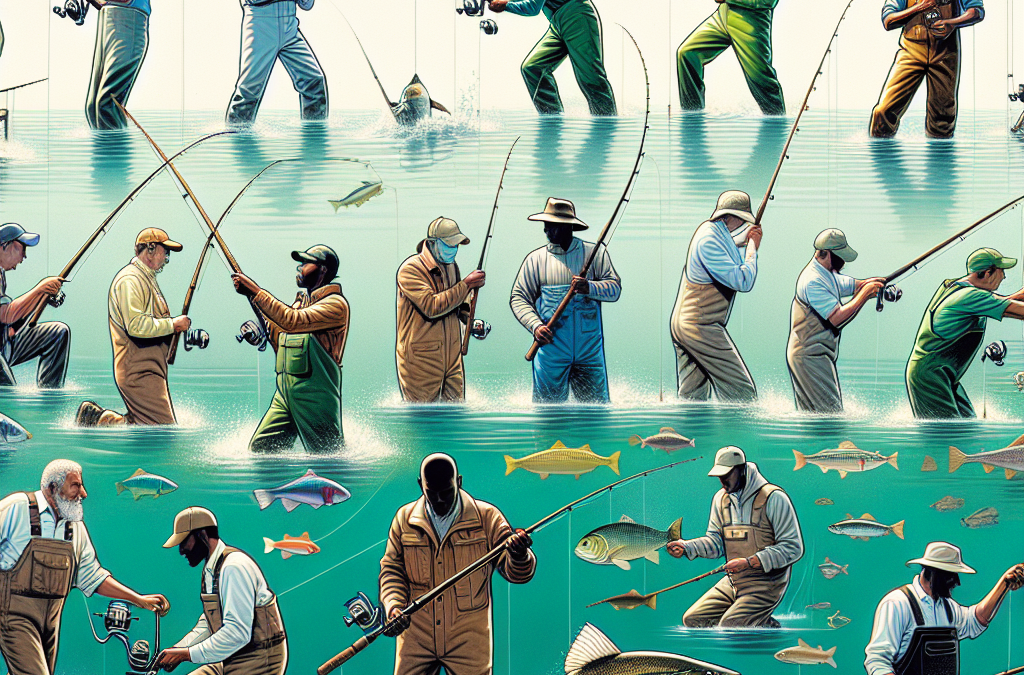
Many beginners overlook the importance of preparation. Before heading out, check local fishing reports to determine which species are active and what bait is working best. Consider the time of day; early mornings and late evenings are often the most productive. Ensure your tackle is in good condition, and practice your casting to improve accuracy. Mistakes often come from using outdated gear or not adapting to changing conditions, which can lead to frustration.
Another common pitfall is not knowing the local regulations. Each fishing area may have specific rules regarding size limits, catch limits, and seasonal restrictions. Failing to adhere to these can result in fines and negatively impact the local fish population. Prioritize understanding these regulations, as they not only affect your fishing experience but also contribute to sustainable practices.
Understanding Local Fish Behavior
To successfully catch fish, it is critical to understand their behavior based on the time of year and local conditions. Fish are often more active during specific times of the day and influenced by weather changes. For instance, many species feed more aggressively during overcast days or just before a rainstorm.

Weekend anglers should also be aware of seasonal patterns. Certain fish species spawn in specific months, which can affect their availability and feeding habits. Researching local species and their habits can provide insight into when and where to fish. Many anglers make the mistake of fishing at the same spot repeatedly without considering these factors, leading to diminished results.
In addition to seasonal behavior, water temperature and clarity can significantly impact fish activity. Warmer waters can lead to increased metabolism in fish, encouraging more aggressive feeding. Understanding these variables helps anglers choose the right time and location for their fishing trips.
Choosing the Right Bait and Tackle
Selecting the appropriate bait and tackle is essential for attracting fish. Live bait, such as worms or minnows, often proves effective, but artificial lures can also yield great results when chosen wisely. Consider the type of fish you’re targeting and their feeding habits when selecting your bait.
Many weekend anglers underestimate the importance of tackle. Using the right rod, reel, and line can make a significant difference in your fishing success. Heavier lines may be necessary for larger species, while lighter lines can be more effective for finesse fishing. A common mistake is using mismatched tackle that can result in lost fish or broken lines.
Experimenting with different types of bait and tackle can also lead to better results. Keeping a record of what works best in various conditions helps develop a personal fishing strategy that can enhance future outings.
Effective Casting Techniques
Mastering casting techniques is crucial for weekend anglers looking to improve their fishing game. Accurate casting reduces the chance of spooking fish and allows for better bait placement. Practicing different casting styles, such as sidearm or overhead casts, can help anglers adapt to various fishing environments.
Many anglers fail to consider the wind direction when casting. Casting into the wind can lead to inaccurate placements and tangles. Instead, position yourself to cast with the wind, which can also help with distance. Additionally, understanding the structure of the water, such as underwater rocks or vegetation, can guide where to cast for optimal results.
Another common mistake is not adjusting casting techniques based on the conditions. For example, in calm waters, a gentle cast may be more effective, while in windy conditions, a more forceful cast might be necessary. Observing how fish react to your bait can also inform adjustments to your casting approach.

Preparing for Your Fishing Trip
Preparation is key to a successful fishing trip. Start by checking local regulations to ensure compliance with size and catch limits. Additionally, consider the season and time of day to optimize your fishing experience.
Many anglers overlook the importance of gear maintenance. Ensuring that your rod, reel, and tackle are in good working order can prevent issues on the water. Checking for frayed lines, rusted hooks, and damaged rods can save time and frustration while fishing.
In summary, plan your fishing location. Research local hotspots or seek recommendations from experienced anglers. Understanding the best times to fish specific locations can result in a more productive outing. Weekend anglers often miss out on potential catches by not scouting their fishing spots beforehand.
Further Reading
Authoritative Sources
- U.S. Fish and Wildlife Service
fws.govThis site provides comprehensive information on fishing regulations, species management, and conservation efforts
- National Fisherman
nationalfisherman.comAn excellent resource for news and insights on fishing trends, techniques, and gear reviews
- Bass Resource
bassresource.comA comprehensive guide for bass fishing, including tips on techniques, gear, and local conditions
Frequently Asked Questions
What is the best time to fish on weekends?
Early mornings and late evenings are typically the most productive times to fish, as fish are more active during these hours.
How do I choose the right bait for fishing?
Consider the species you’re targeting, local conditions, and the season. Live bait often works well, but artificial lures can be effective too.
What are common mistakes weekend anglers make?
Common mistakes include not preparing gear, ignoring local regulations, and failing to adapt to changing conditions.
How can I improve my casting technique?
Practice different casting styles and consider environmental factors like wind direction. Adjust your technique based on the conditions you face.
What should I check before going fishing?
Check local regulations, prepare your gear, and plan your fishing location to maximize your chances of success.
Conclusion
In summary, weekend anglers can significantly enhance their fishing success by focusing on key strategies such as understanding local fish behavior, choosing the right bait, and mastering casting techniques. Preparation plays a crucial role in ensuring a productive outing, from checking gear to planning fishing locations. By prioritizing these elements, anglers can avoid common pitfalls and enjoy a more fulfilling fishing experience. Take the time to research and prepare adequately, and your weekend fishing trips will yield better results.

