
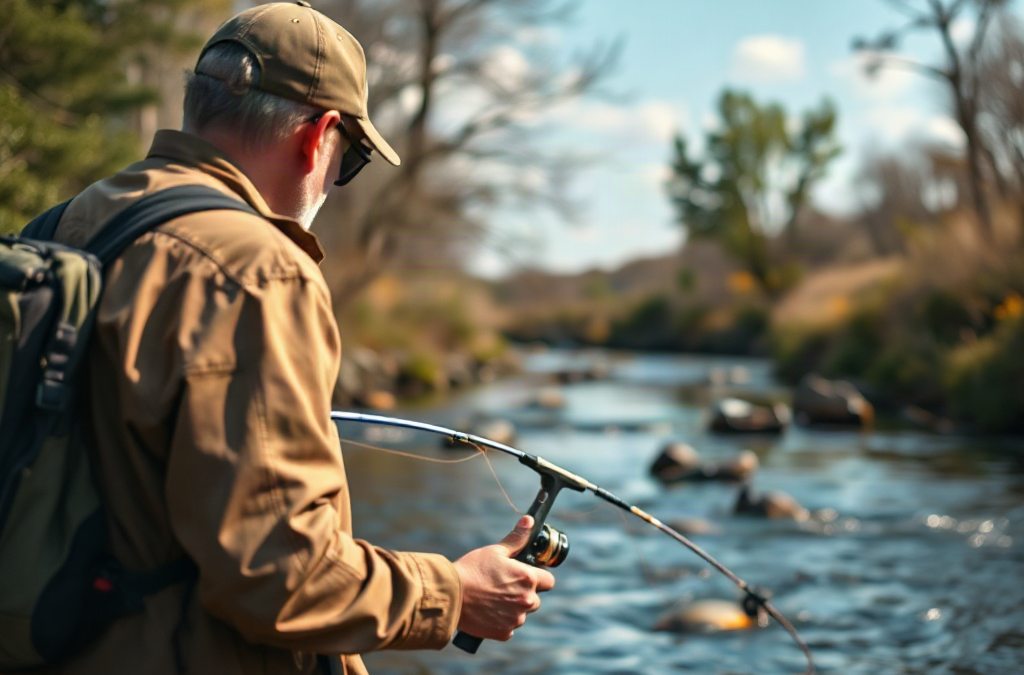
Ultra light fishing rod uses and limitations center on presenting small lures accurately while accepting less power for hooksets, cover control, and heavy loads. These rods are well suited to panfish, trout, small bass, narrow streams, and techniques using light line and compact jigs, spinners, or soft plastics. Their flexible blanks improve bite detection and make modest fish engaging, but they can struggle with thick vegetation, large hooks, strong current, oversized sinkers, and forceful casting. Choose one when presentation and sensitivity matter more than leverage, and move to a light or medium-power rod when conditions demand stronger line or firmer fish control.
What you’ll learn
This guide covers the following practical points:
- Where Ultra Light Rods Work Best — Ultra light rods perform best when the lure is small, the line is thin, and the angler has room to let the rod absorb a fish’s runs.
- Power, Action, and Tackle Matching — Power describes how much force is needed to bend a rod, while action describes where the blank bends most noticeably.
- Practical Limitations on the Water — The main limitations are reduced leverage, restricted lure weight, and weaker control in demanding surroundings.
- Choosing Between Ultra Light and Heavier Rods — Choose ultra light power when small-lure casting and delicate presentation are the primary requirements.
Where Ultra Light Rods Work Best
Ultra light rods perform best when the lure is small, the line is thin, and the angler has room to let the rod absorb a fish’s runs. Common applications include casting tiny jigs for crappie, working small spinners through a trout stream, presenting live bait beneath a float, and targeting bluegill around open shoreline cover. The light blank loads under very little weight, allowing it to cast offerings that a stiffer rod may barely propel.
Sensitivity is another practical advantage. A thin blank and light tackle combination transmits subtle taps, changes in lure vibration, and contact with bottom structure. That feedback is particularly useful when a cold-water bite feels like added weight rather than a sharp strike. The deeply bending blank also cushions light line, reducing sudden shock when a fish surges close to the bank or boat.
The same flexibility makes ordinary fish feel more powerful, but enjoyment should not be confused with efficiency. An ultra light rod is not automatically the strongest choice simply because the expected species is small. A crappie hooked beside open water is manageable; the same fish buried in brush may require enough pressure to steer it out immediately. Choosing by the surrounding cover is often more useful than choosing by species alone.

Power, Action, and Tackle Matching
Power describes how much force is needed to bend a rod, while action describes where the blank bends most noticeably. An ultra light power rating therefore does not guarantee a slow, soft action. A fast-action model may have a responsive tip and a firmer lower section, while a moderate-action model bends farther down the blank and generally cushions light line more gradually.
Rod labels provide the safest starting point for matching line and lure weight. The printed range reflects the load the manufacturer intended the blank to cast and manage. Staying near the middle of that range usually produces predictable loading; a lure that is too light may not flex the rod enough to cast well, while an overweight rig can overload the blank during an aggressive cast.
| Fishing situation | Ultra light suitability | Main reason |
|---|---|---|
| Small jig in open water | Strong choice | Easy casting and clear bite feedback |
| Small spinner in a narrow stream | Strong choice | Accurate presentation with light line |
| Single-hook bait near sparse cover | Conditional | Works if fish can be guided away from snags |
| Heavy vegetation or timber | Poor choice | Limited leverage and line strength |
| Large lure or heavy sinker | Poor choice | Exceeds the blank’s efficient casting load |
Reel balance also affects control. A compact spinning reel keeps the outfit responsive, but the drag must release smoothly at the light line’s working tension. A common mistake is tightening the drag to compensate for the rod’s softness. That transfers sudden force to the knot and line, where failure is more likely. Set the drag with steady pressure and use the rod angle to absorb movement rather than attempting to stop every run.
Practical Limitations on the Water
The main limitations are reduced leverage, restricted lure weight, and weaker control in demanding surroundings. An ultra light blank can land a surprisingly large fish in open water, but landing ability does not make it the responsible choice for deliberately targeting fish that routinely overpower the tackle. Prolonged fights increase exhaustion and create more opportunities for line abrasion, pulled hooks, and breakoffs.
Hook design matters as much as fish size. Thin-wire hooks penetrate with modest pressure and suit the rod’s limited force. Thick hooks, weed guards, and large soft-plastic rigs often need a firmer hookset than the blank can deliver. If strikes repeatedly produce brief contact without secure hookups, inspect hook sharpness and rigging first; if those are sound, the rod may lack the power required by the presentation.
Wind and current expose another weakness. A small lure may cast well in calm air yet become difficult to control across a crosswind. Strong flow can bow light line, reduce contact with the lure, and keep the rod heavily loaded before a fish even strikes. Adding excessive weight is not a sound fix if it exceeds the labeled lure range. A light-power rod, heavier line, or a more compact lure may restore control without overstressing the blank.
Check these conditions before committing to ultra light tackle:

- Cover: Leave enough open water to play a fish without dragging it through wood, rock, or weeds.
- Rig weight: Count the hook, sinker, float, and lure as one total casting load.
- Hook resistance: Favor sharp, fine-wire hooks that penetrate under moderate pressure.
- Landing plan: Identify a clear bank, net position, or shoreline opening before casting.
A rod that remains deeply bent during retrieval, cannot keep the lure under control, or repeatedly allows fish to reach hazards is showing a mismatch rather than desirable sporting action. Moving up one power class is the practical correction.
Choosing Between Ultra Light and Heavier Rods
Choose ultra light power when small-lure casting and delicate presentation are the primary requirements. It is especially effective for anglers carrying compact tackle to ponds and creeks, or for those targeting modest fish in clear, open water. A longer rod may provide added casting distance and line control, while a shorter model can be easier to maneuver beneath branches and along confined banks.
Choose light power when the same small species are found around weeds, docks, moderate current, or mixed-size fish. Light rods retain much of the sensitivity associated with ultra light tackle while providing more authority for hooksets and directional pressure. Medium-light or medium power becomes more appropriate when using larger single hooks, heavier sinkers, substantial hard baits, or line selected for abrasion resistance.
Do not buy solely from the power label because ratings are not perfectly standardized between manufacturers. Compare the stated lure and line ranges, flex the rod carefully if possible, and consider the actual rig rather than the lure body alone. A float, split shot, hook, and bait may weigh much more than the artificial lure an angler normally associates with ultra light fishing.
A sensible field test is simple: the rod should load smoothly on the cast, recover without feeling overloaded, maintain useful contact with the presentation, and turn the expected fish away from ordinary hazards. If casting requires a forceful snap or landing depends on tightening the drag beyond a safe setting, the outfit is too light for that application.
Frequently Asked Questions
What species are commonly caught with an ultra light rod?
Bluegill, crappie, perch, trout, and smaller bass are common targets. Suitability still depends on cover, current, hook style, and the chance of hooking much larger fish.
Can an ultra light rod catch large fish?
It can land larger fish in open water when the drag works smoothly and the line avoids abrasion. It is not ideal for intentionally targeting powerful fish that require prolonged fights or immediate control.
What line should be used on an ultra light rod?
Use line within the range printed on the rod. Thin monofilament offers stretch, while small-diameter braid can improve feedback but often benefits from a suitable leader and carefully set drag.
Is fast or moderate action better for ultra light fishing?
Fast action favors precise lure control and quick feedback. Moderate action spreads the load farther down the blank, which can cushion light line and keep small hooks from tearing free.
Can an ultra light rod be used in saltwater?
Only where the rod, reel, line, and expected fish suit the conditions. Rinse compatible equipment after exposure, and avoid situations involving powerful fish, abrasive structure, heavy current, or large terminal tackle.
Conclusion
An ultra light rod earns its place through control of small offerings, clear feedback, and protection for thin line—not through an ability to handle every fish that might bite. Match the complete rig to the printed rating, account for cover and current, and favor fine-wire hooks with a smooth drag. When the rod stays overloaded, hookups remain weak, or fish cannot be steered from hazards, step up to light or medium-light power.

