
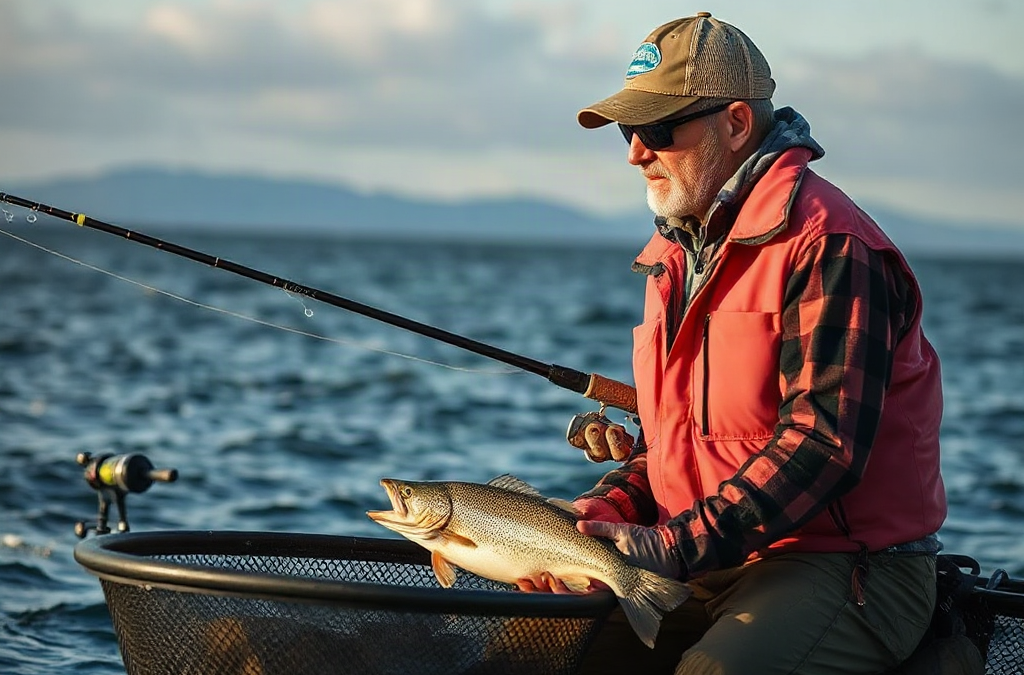
If your fishing trip is interrupted, secure everyone first, identify whether weather, equipment failure, access, illness, or another hazard caused the delay, and then decide whether to pause, relocate, or leave. Check changing weather and water conditions before restarting, especially after lightning, strong wind, rising water, or reduced visibility. Protect fish and tackle by shortening the session rather than rushing casts or handling a damaged setup. A spare leader, basic repair tools, charged phone, navigation aid, water, and a written exit plan can turn a disruption into a manageable delay. Do not resume simply because the interruption seems brief; the cause, not the lost fishing time, should determine the next move.
Assess the Interruption Before Acting
The first useful decision is not how to resume casting; it is whether the interruption creates an immediate safety problem. A snapped rod tip, sudden rain shower, engine issue, closed access point, minor phone problem, and nearby lightning may all stop a trip, but they demand very different responses. Move away from exposed hazards, account for every person, and identify what changed before unpacking tools or returning to the shoreline.

Use a simple priority order: people, vessel or vehicle, location, communication, and tackle. A boat drifting toward rocks requires attention before a ruined lure. A partner who is cold, injured, or showing signs of heat illness should not be treated as a minor inconvenience. If you are alone, tell a contact where you are and what has happened when communication is available. The what to do if your fishing trip is interrupted checklist should begin with these decisions rather than with replacement gear.
Conditions can look harmless while still becoming harder to manage. Wind may make a return trip difficult even when casting remains possible, and rising water can remove the easy route back to a bank. A short pause is reasonable when the cause is contained and the exit remains clear. It is not reasonable when the interruption is developing, communication is failing, or the group is becoming fatigued.
Separate inconvenience from danger
Ask three questions: Is anyone exposed to immediate harm? Can the group leave by a known route? Can the problem be monitored without increasing risk? If any answer is no, end the fishing portion and focus on getting safe. The common mistake is allowing the time already invested to influence the decision. A long drive or expensive launch fee does not make deteriorating conditions safer.
Respond to Weather, Water, and Access Problems
Weather interruptions require a pause long enough to judge the trend, not merely the current appearance. Lightning, strong gusts, hail, heavy rain, and rapidly changing visibility can alter both shoreline and boat safety. Get off exposed water when storms approach, secure loose equipment, and wait in a genuinely safer location rather than standing under an isolated tree or remaining in an open boat. Local forecasts and official alerts are more useful than assuming a dark cloud will pass quickly.
Rain itself is not always a reason to abandon a trip, but its effects may be. A creek can rise, a muddy bank can become slippery, and a calm inlet can develop difficult boat traffic or debris. After rainfall, inspect the route you will use to leave. If water color, current speed, floating branches, or shoreline access has changed, relocation may be less sensible than ending the outing. The tradeoff is simple: a few additional casts offer limited value if the return path has become uncertain.
Access interruptions also deserve more caution than they often receive. A locked gate, closed ramp, damaged trail, or unexpected crowd may tempt anglers to cross private property or park in an unsafe place. Do not improvise an unauthorized route. Use posted alternatives, contact the managing agency or property owner when appropriate, and record the closure for future planning. Regulations, seasonal closures, and local notices can change, so verify them through the relevant land manager before the next visit.
If the interruption is temporary and conditions stabilize, restart in a sheltered, familiar location rather than returning immediately to the most exposed spot. Fish may still be present after a weather change, but the priority is a controlled setup: stable footing, manageable wind, visible line, and an uncomplicated route out. The mistake to avoid is treating an improving sky as proof that all related hazards have disappeared.
Recover From Gear Failure Without Rushing
Equipment problems are often recoverable when the angler stops using the damaged item before a small fault becomes a lost fish, cut hand, or complete failure. Remove tension from the line, inspect the rod guides, reel, knots, hooks, and landing equipment, and keep damaged components away from bare fingers. A frayed leader may be replaced at the bank; a cracked rod blank or reel that is binding should generally be taken out of service for the day.
Carry repairs that match the type of fishing rather than filling a box with unrelated accessories. Extra line, leaders, swivels, hooks, split rings, pliers, scissors, tape, a small multitool, and a spare lure or rig cover common interruptions. For a boat trip, add a charged communication device, basic navigation backup, and the equipment required by local boating rules. These items do not make every failure fixable, but they reduce the chance that a minor tackle issue ends the trip or encourages unsafe improvisation.
Consider the difference between a functional repair and a confidence-damaging repair. A new leader tied correctly may be fully adequate. A reel handle temporarily held in place with tape is not a dependable answer if the reel is needed to control a fish or return through current. Test the repair with light pressure before casting. The line should leave the spool smoothly, the drag should operate predictably, and no sharp edge should contact the line.
For example, if a guide insert is missing, continuing to fish may roughen the line and cause a break at an inconvenient moment. Switching to a spare rod is better than repeatedly shortening casts and hoping the line survives. If no backup exists, pack the damaged rod and use the remaining setup only if it is appropriate for the target species and conditions. The what to do if your fishing trip is interrupted decision is not about preserving every planned technique; it is about choosing a setup that remains reliable.
- Repair and continue: Use this option when the fault is minor, the fix can be tested, and no safety feature is compromised.
- Change tactics: Use a simpler rig or sheltered location when the original setup no longer suits the conditions.
- Stop fishing: Choose this when structural damage, sharp broken parts, lost essential equipment, or vessel problems remain unresolved.
Decide Whether to Restart, Relocate, or Leave
A restart makes sense only when the cause of the interruption is controlled and the original plan still fits the conditions. Relocation is useful when the problem is limited to one exposed bank, crowded access point, or wind direction. Leaving is the correct choice when safety, transportation, health, or communication cannot be maintained. Treat these as separate decisions rather than assuming every interruption ends with returning to the same spot.
Use the time available honestly. A short remaining window favors a nearby, familiar area with an easy exit, not an ambitious move across unfamiliar water. A longer window may justify changing banks or switching from lure fishing to a stationary presentation, but only if the new location is legal and accessible. The most productive location is not necessarily the best recovery location; predictable footing and a simple retreat can matter more than fish-holding structure.
Before restarting, check the items most likely to fail during the next hour: phone battery, fuel, weather trend, light level, line condition, knots, and the route home. Tell a companion what changed and agree on a stopping time. If the group is divided about continuing, the safer option should control the decision. Fishing is a shared activity, so one person’s discomfort or uncertainty should not be dismissed as lack of commitment.
Signs that the restart is working include stable conditions, secure access, functioning tackle, and a group that can concentrate without repeatedly managing the original problem. Signs that it is failing include worsening visibility, repeated line or equipment faults, rising fatigue, a blocked exit, or pressure to ignore warning signs. Do not let a single bite override those signals. A missed opportunity is easier to accept than an avoidable emergency.

Prepare for a More Resilient Next Trip
Preparation for interruptions should be specific to the water, season, transport method, and people in the group. Before leaving, check the forecast from an official source, confirm access status, charge communication devices, and tell someone where you plan to fish and when you expect to return. For boat outings, inspect fuel, battery, bilge function, navigation equipment, and required safety gear; for shore trips, examine the route, footwear, water supply, and daylight remaining.
A compact interruption kit is more useful when every item has a clear job. Pack first-aid supplies, drinking water, food, a light, weather protection, spare line, cutting tools, a power bank, and a waterproof way to protect keys and a phone. Keep emergency items separate from frequently used tackle so they are not left behind when the bag is reorganized. A printed contact number or route note can help when a phone is wet, uncharged, or damaged.
Build a fallback plan that answers practical questions: Where can the group wait? Which nearby location is legal and safer in wind? What is the latest reasonable departure time? Who handles navigation, communication, and vehicle access? A backup plan does not need to preserve the day’s original fishing goal. Its purpose is to prevent rushed decisions when conditions or equipment change.
After the trip, write down the interruption while details are fresh. Note the weather, water level, failed component, access issue, time lost, and what would have made the response easier. Replace consumables immediately and repair or retire damaged gear before it returns to the storage shelf. The common failure is packing the same kit again because the problem was survived; resilience improves when the lesson becomes a concrete change.
Before a future outing, consult the official weather service, local land or fisheries manager, and boating authority relevant to the destination. Those sources provide the most current information about storm alerts, access closures, water conditions, and local safety requirements.
Frequently Asked Questions
Should I keep fishing during light rain?
Light rain may be manageable when visibility, footing, wind, and temperature remain acceptable, but stop if lightning, strong gusts, rising water, or slippery access develops.
What should I do if my rod breaks?
Stop applying pressure, inspect for sharp or structural damage, and switch to a spare setup if available. Do not rely on tape to support a cracked blank or damaged guide during serious fishing.
Is it better to relocate after an interruption?
Relocate only when the new area is legal, reachable, and safer. A familiar sheltered spot with an easy exit is usually a better choice than an unfamiliar location selected simply to save the trip.
When should I end the outing completely?
Leave when people are at risk, the route home is uncertain, communication or transportation has failed, weather is deteriorating, or essential equipment cannot be trusted.
What belongs in an interruption kit?
Carry water, food, first-aid supplies, a light, weather protection, a charged phone or power bank, spare line, cutting tools, and any safety equipment required for the location or vessel.
Further Reading
Authoritative Sources
- Academy of Nutrition and Dietetics
eatright.orgProfessional nutrition guidance, healthy eating resources, and practical dietitian-reviewed advice.
- U.S. Department of Agriculture
usda.govOfficial food, nutrition, agriculture, and consumer guidance from the USDA.
- NIH Office of Dietary Supplements
ods.od.nih.govResearch-based fact sheets on nutrients, supplements, dietary intake, and safety considerations.
- International Society of Sports Nutrition
sportsnutritionsociety.orgEvidence-informed sports nutrition resources and position stands for active people and athletes.
Conclusion
An interrupted outing becomes easier to manage when the response follows the actual source of the problem. Account for people first, secure the vessel or vehicle, check weather and access, and inspect tackle before deciding whether to repair, relocate, or leave. Minor line or rig failures may justify a measured restart, while lightning, rising water, structural gear damage, illness, or an uncertain exit should end the fishing plan. A short checklist, realistic stopping time, charged communication device, and location-specific backup option provide more value than carrying excessive tackle. Afterward, record what failed and change the kit or plan before the next trip. That approach protects the people involved while preserving the possibility of useful fishing when conditions genuinely allow it.

