
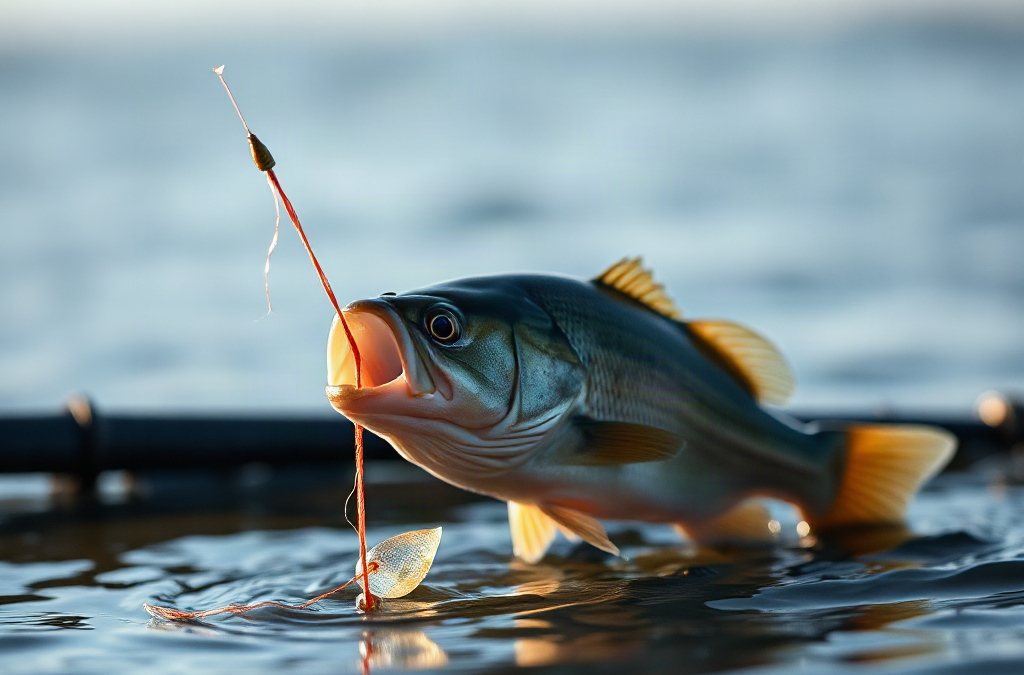
If your bait is being stolen, first identify whether small fish, bait-stealing species, crayfish, or current is removing it, then change the bait size, hook exposure, rig position, or presentation. Check the bait immediately after each suspicious tap instead of waiting for a full strike, because a bare hook confirms the problem faster than missed-hook speculation. Use tougher bait, secure soft pieces with bait thread or an elastic bait band, and move the hook point slightly farther through the bait. If theft continues, alter depth or location before adding more bait; repeated losses often indicate that the bait is sitting where nuisance species are concentrated.
Identify What Is Taking the Bait
Bait theft becomes easier to solve once you distinguish a short bite from a bait-stealing animal. A sharp tap followed by a bare hook may come from small panfish, juvenile fish, shrimp, crayfish, or a fish that is nibbling from the edge rather than swallowing the offering. Current can create a similar symptom by dragging bait across rocks, weeds, or debris until it pulls free.

Watch the line and inspect the bait after each suspicious contact. Several quick taps with no steady weight often point to small fish or crustaceans. A bait that returns scraped, pinched, or stripped from one side suggests a different problem than bait that is cleanly pulled off the hook. If the hook is still baited but the bait has been flattened, the presentation may be attracting attention without leaving enough hook exposed.
Location provides another useful clue. Crayfish commonly work around rocks, riprap, bridge pilings, and bottom cover. Small fish may gather in shallow water, near vegetation, or around baitfish schools. In salt water, crabs and small reef fish can remove soft bait while the rod remains almost still. A bait suspended above the bottom may avoid crustaceans, while a bottom rig may put it directly in their feeding zone.
Do not assume that every missing bait came from the target species. That assumption can waste an entire tide or session. Before changing to a larger hook or heavier tackle, make one controlled check: rebait with the same material, shorten the time between inspections, and note whether the bait is cut, shredded, or simply gone. Those observations point toward the next adjustment more reliably than adding more bait.
For broader preparation, the principles in what to do if your bait is being stolen also apply when deciding how often to inspect a rig and when to abandon an unproductive patch of water.
Make the Bait Harder to Remove
The quickest mechanical fix is to make the bait stay on the hook without hiding the hook point. Tougher bait, smaller pieces, and a firm attachment usually outperform a large soft chunk that hangs loosely. Thread a strip of squid, cut bait, or dough bait several times along the shank, then leave the hook point and barb clear enough to work.
Soft bait can be secured with bait thread, elastic bait bands, or fine wire where local rules and the bait type permit them. Bait thread is particularly useful for wrapping a fillet or shellfish strip tightly around the hook. It does not make the bait immune to theft, but it prevents small fish from pulling off the outer layer with the first peck. Elastic bait material can perform the same job when quick rebaiting matters.
Size should match the problem. If small fish are stripping a large piece, reducing the bait may give the hook a better chance of reaching the mouth of the intended fish. If crabs are taking tiny pieces, a tougher and more compact presentation may last longer. Enlarging the bait is not automatically a solution; a bulky offering can make hook penetration worse and may give nuisance fish more material to attack.
Hook placement matters as much as bait choice. Push the hook fully through firm bait and expose the point. With a strip bait, align the strip along the shank rather than leaving a loose tail longer than necessary. A dangling tail creates movement, but it also gives bait stealers an easy handle. For dough or paste, mold enough around the shank to hold it while keeping the point visible.
There is a tradeoff between durability and natural presentation. A heavily wrapped bait may survive repeated pecks but look less natural or move poorly in current. A lightly pinned bait may attract more effectively but require frequent checks. Choose the durable option when nuisance bites are continuous; return to a more delicate presentation after the bait survives several inspections or a larger fish begins showing interest.
Change the Rig, Depth, or Presentation
When bait disappears despite better attachment, change where and how it is presented. A hook sitting directly on the bottom is vulnerable to crayfish, crabs, and bottom-feeding small fish. Raising it a few inches with a leader, float, or adjustable bobber can move it out of the theft zone while keeping it near feeding fish.
Depth changes should be deliberate rather than random. If the bait is being stripped within seconds, raise or lower it in small increments and inspect the result after a short interval. In a lake, moving from the shallow weed edge to a slightly deeper break may reduce panfish activity. In moving water, lifting the bait away from the seam or placing it behind a current break may stop it from scraping along the bottom.
Rig choice affects both access and hook exposure. A simple float rig can keep a bait visible and suspended, but wind and surface chop may make bite detection difficult. A bottom rig provides stability and can reach species feeding low, yet it exposes bait to organisms living among rocks or sediment. A small sliding sinker may allow a fish to move with less resistance than a fixed weight, but it will not solve theft caused by dense nuisance activity.
Consider moving before repeatedly rebaiting. A productive target area can still be the wrong spot for the bait being used. For example, a worm fished beside a dock may attract a swarm of tiny sunfish, while a tougher strip bait placed a short distance away reaches larger fish. Changing position by several yards, casting beyond a cover edge, or switching from a rocky bottom to sand can change the species interacting with the hook.
Watch for signs that an adjustment is working. The bait should remain intact longer, taps should become less frequent or more purposeful, and the hook should return with a clear bite mark rather than completely bare. If only the time between losses changes but no target fish appears, the area may still be dominated by bait stealers. The next move should be a location or timing change, not endless additions of bait.
Readers comparing presentations can use what to do if your bait is being stolen as a reminder to test one variable at a time. Changing bait, depth, hook, and location simultaneously makes it difficult to learn which adjustment actually worked.

Use a Practical Bait-Theft Decision Process
A short decision process prevents wasted bait and protects the quality of your observations. Begin by checking the bait after the first suspicious contact. If it is untouched, the movement may have come from current, weeds, or a loose connection. If it is damaged, identify the damage pattern. If it is gone, examine the hook, leader, and knot before blaming the fish.
Use the following order when the problem continues:
- Confirm the loss: Inspect the bait and hook after a short interval rather than waiting for a strike.
- Secure the offering: Shorten loose tails, wrap soft bait, and expose the hook point.
- Change the vertical position: Raise the bait from the bottom or alter the float depth.
- Test a different bait texture: Replace fragile material with a firmer strip, tougher worm section, or appropriately prepared bait.
- Relocate or change the time: Leave the nuisance concentration if repeated checks show the same pattern.
Only change one major variable at a time when conditions allow. If you switch from a soft worm on the bottom to a suspended cut bait in another location, you may catch a fish, but you will not know whether the improvement came from texture, height, or habitat. When the bait is disappearing immediately and supplies are limited, efficiency matters more than a perfect experiment; make the strongest practical change first.
Common mistakes include using an oversized hook, burying the point inside soft bait, and striking at every tiny tap. A large hook can discourage cautious fish, while a hidden point turns a possible bite into a missed connection. Striking too early can pull bait away before a target fish has taken it. Conversely, waiting too long with a bare hook produces no useful opportunity. Set the hook when the line shows sustained movement, a steady pull, or a clear change in direction appropriate to the species and rig.
Local rules also matter. Some waters restrict types of bait, hooks, bait bands, or methods of taking fish, and regulations can differ by species and location. Check the current rules before using unusual attachment materials or moving to a new target species. The practical goal is not merely to keep bait on the hook; it is to preserve a legal, detectable, species-appropriate presentation.
Frequently Asked Questions
Why does a fish take the bait without getting hooked?
Small fish may nibble at the edge, or the hook point may be buried. Shorten the bait, expose the point, and inspect the rig after quick taps.
Should I use a bigger hook when bait keeps disappearing?
Usually not as a first response. A larger hook may make the bait harder to swallow and can worsen missed hookups; improve attachment and presentation first.
How can I stop crayfish from stealing bait?
Raise the bait off the bottom, move away from rock cover, use tougher bait, and shorten inspection intervals. A different location may be more effective than stronger wrapping.
Does bait thread actually help?
It can keep soft bait from sliding off during repeated pecks or casting. Wrap it firmly without covering the hook point or creating an unnaturally bulky bait.
When should I move to another spot?
Move when bait disappears repeatedly after you have tested secure attachment and a reasonable depth change. Persistent losses with no target-fish signs usually indicate the area is dominated by nuisance feeders.
Further Reading
Authoritative Sources
- National Institute of Standards and Technology
nist.govStandards, cybersecurity frameworks, and technical guidance.
- Cybersecurity and Infrastructure Security Agency
cisa.govCybersecurity, infrastructure, and risk-reduction guidance.
- MDN Web Docs
developer.mozilla.orgTechnical documentation for web standards, APIs, and browser technologies.
- World Wide Web Consortium
w3.orgWeb standards, accessibility, and interoperability specifications.
Conclusion
Repeatedly losing bait is useful information, not just an inconvenience. Confirm what the hook and bait look like after each loss, then address the most likely cause: poor attachment, an exposed bait tail, bottom-dwelling bait stealers, or a presentation placed in the wrong layer of water. Tougher bait and bait thread can extend fishing time, but moving the hook above the bottom or leaving a nuisance-heavy patch may produce a bigger improvement. Keep the hook point clear, change one major variable when possible, and watch whether bait lasts longer without losing a natural presentation. Before using unfamiliar rigging materials or targeting another species, check local regulations. A disciplined response saves bait and gives you a clearer path toward the fish you actually intend to catch.

