
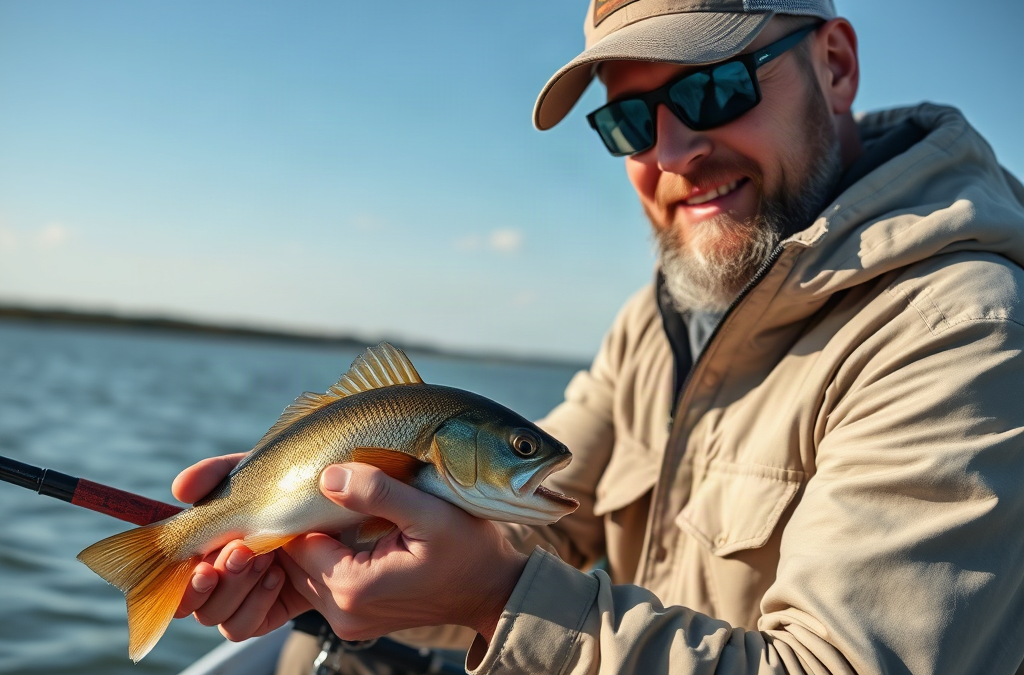
If you lose your fishing license, immediately report it to the local wildlife agency or department of natural resources to prevent misuse. You can usually apply for a replacement online or in-person, providing necessary identification and any required fees. Be aware that fishing without a valid license can lead to fines, so act promptly to avoid legal issues.
Understanding the Importance of a Fishing License
A fishing license is not merely a piece of paper; it represents your legal right to fish in designated waters. This license helps regulate fish populations and ensures that anglers follow conservation laws. Understanding its importance can motivate you to act swiftly if it gets lost. When you have a valid license, you contribute to responsible fishing practices and support local wildlife management efforts.

Moreover, fishing licenses often come with specific regulations attached, such as seasons, size limits, and species restrictions. These regulations are in place to protect ecosystems and maintain sustainable fish populations. If you lose your license, you risk fishing illegally, which can lead to hefty fines and a tarnished record.
Understanding the Importance of a Fishing License matters because it turns to do if you lose your fishing license from a broad idea into a decision the reader can actually apply. The practical difference usually shows up in the details: how much is needed, when the choice is made, what tradeoff is acceptable, and what sign shows the approach is working. For technology topics, the strongest advice connects the user goal, system constraint, maintenance burden, and measurable outcome.
A useful way to handle this section is to compare the normal baseline with the situation that creates extra demand. If fishing is the baseline concern, then license becomes the adjustment point and lose becomes the outcome to watch. That keeps the advice specific without forcing the reader into a rigid formula that may not fit their routine, budget, tolerance, schedule, or current level of experience.
The most common mistake is changing too many variables at once. A better approach is to choose one measurable adjustment, use it consistently long enough to see a pattern, and then refine the next step based on energy, comfort, performance, safety, or reliability. This makes the guidance easier to trust because the reader can connect the recommendation to what they observe rather than guessing from a generic checklist.
The practical takeaway is to make the section actionable: identify the main constraint, choose the smallest useful change, and compare the result against the goal. When the outcome improves, the reader can keep the approach. When it does not, the next change should target the most likely bottleneck rather than repeating the same step with more effort.
Steps to Replace Your Lost Fishing License
If you find yourself without your fishing license, the first step is to contact your local wildlife agency or department of natural resources. Most states offer a straightforward process to replace lost licenses, often allowing you to do so online. Here’s a step-by-step guide:
- Report the Loss: Inform your local agency about the lost license. This step is crucial to prevent unauthorized use of your license.
- Gather Documentation: Prepare to provide personal identification, such as a driver’s license or social security number. Some states may require proof of residency.
- Complete the Application: Fill out the application for a replacement license. This form is typically available on the agency’s website or at their office.
- Pay the Fee: Be prepared to pay a replacement fee, which varies by state. Some agencies may waive this fee under specific circumstances.
- Receive Your Replacement: Once your application is processed, you will receive your new license via mail or in person, depending on your choice.
Taking these steps quickly can minimize your risk of fishing without a valid license, which could lead to legal consequences.
Steps to Replace Your Lost Fishing License matters because it turns to do if you lose your fishing license from a broad idea into a decision the reader can actually apply. The practical difference usually shows up in the details: how much is needed, when the choice is made, what tradeoff is acceptable, and what sign shows the approach is working. For technology topics, the strongest advice connects the user goal, system constraint, maintenance burden, and measurable outcome.
A useful way to handle this section is to compare the normal baseline with the situation that creates extra demand. If license is the baseline concern, then fishing becomes the adjustment point and steps becomes the outcome to watch. That keeps the advice specific without forcing the reader into a rigid formula that may not fit their routine, budget, tolerance, schedule, or current level of experience.
The most common mistake is changing too many variables at once. A better approach is to choose one measurable adjustment, use it consistently long enough to see a pattern, and then refine the next step based on energy, comfort, performance, safety, or reliability. This makes the guidance easier to trust because the reader can connect the recommendation to what they observe rather than guessing from a generic checklist.
Preventing Future Loss of Your Fishing License
Once you have replaced your lost fishing license, consider implementing strategies to prevent future losses. Here are some practical tips:
- Keep it in a Safe Place: Designate a specific spot for your fishing license, such as a waterproof pouch in your tackle box or a secure pocket in your fishing vest.
- Digital Copies: Many states now allow digital licenses through mobile apps. Check if your state offers this option, as it can serve as a backup.
- Routine Checks: Before heading out to fish, check that you have your license in your gear. Make this a part of your fishing routine.
By taking these precautions, you can ensure that your fishing license remains safe and accessible whenever you plan to fish.
Preventing Future Loss of Your Fishing License matters because it turns to do if you lose your fishing license from a broad idea into a decision the reader can actually apply. The practical difference usually shows up in the details: how much is needed, when the choice is made, what tradeoff is acceptable, and what sign shows the approach is working. For technology topics, the strongest advice connects the user goal, system constraint, maintenance burden, and measurable outcome.
A useful way to handle this section is to compare the normal baseline with the situation that creates extra demand. If fishing is the baseline concern, then license becomes the adjustment point and lose becomes the outcome to watch. That keeps the advice specific without forcing the reader into a rigid formula that may not fit their routine, budget, tolerance, schedule, or current level of experience.
The most common mistake is changing too many variables at once. A better approach is to choose one measurable adjustment, use it consistently long enough to see a pattern, and then refine the next step based on energy, comfort, performance, safety, or reliability. This makes the guidance easier to trust because the reader can connect the recommendation to what they observe rather than guessing from a generic checklist.
Legal Implications of Fishing Without a License
Fishing without a valid license can lead to serious legal repercussions. Most states impose fines that can range significantly, depending on the severity of the offense. In some cases, you may face misdemeanor charges, which can result in higher penalties and a criminal record.
Additionally, if you are caught fishing without a license, you may also lose your right to apply for a license in the future or face increased scrutiny when applying. It’s essential to understand that these penalties are in place to protect fish populations and maintain the integrity of fishing regulations.
Therefore, if you lose your fishing license, prioritize obtaining a replacement to avoid these potential legal issues. Being proactive not only protects you but also supports sustainable fishing practices.
Legal Implications of Fishing Without a License matters because it turns to do if you lose your fishing license from a broad idea into a decision the reader can actually apply. The practical difference usually shows up in the details: how much is needed, when the choice is made, what tradeoff is acceptable, and what sign shows the approach is working. For technology topics, the strongest advice connects the user goal, system constraint, maintenance burden, and measurable outcome.
A useful way to handle this section is to compare the normal baseline with the situation that creates extra demand. If fishing is the baseline concern, then license becomes the adjustment point and lose becomes the outcome to watch. That keeps the advice specific without forcing the reader into a rigid formula that may not fit their routine, budget, tolerance, schedule, or current level of experience.
The most common mistake is changing too many variables at once. A better approach is to choose one measurable adjustment, use it consistently long enough to see a pattern, and then refine the next step based on energy, comfort, performance, safety, or reliability. This makes the guidance easier to trust because the reader can connect the recommendation to what they observe rather than guessing from a generic checklist.
Frequently Asked Questions
What should I do first if I lose my fishing license?
Immediately report the loss to your local wildlife agency to prevent misuse and inquire about the replacement process.
Can I fish without a license if I lost it?
No, fishing without a valid license can lead to fines and legal issues, so it's essential to replace it as soon as possible.
How long does it take to get a replacement fishing license?
The time can vary by state, but many agencies process replacements quickly, often providing them the same day or sending them within a few days.
Is there a fee for replacing a fishing license?
Most states charge a fee for replacing a lost fishing license, which varies depending on regulations.
How can I prevent losing my fishing license in the future?
Keep your license in a designated spot, consider using a digital copy, and check for it before your fishing trips.
Further Reading
Authoritative Sources
- Investor.gov
investor.govSEC investor education resources for evaluating financial products and risk.
- FINRA Investor Insights
finra.orgInvestor education, broker-check tools, and financial decision resources.
- Consumer Financial Protection Bureau
consumerfinance.govConsumer guidance on credit, debt, lending, and financial products.
- Internal Revenue Service
irs.govOfficial tax guidance, forms, and compliance information.
Conclusion
Losing your fishing license can be stressful, but understanding the steps to replace it and the importance of keeping it safe can help you avoid legal troubles. Make sure to report the loss immediately, gather necessary documentation, and follow your local agency’s procedures to obtain a replacement. By taking proactive measures, you not only protect yourself but also contribute to sustainable fishing practices.

