
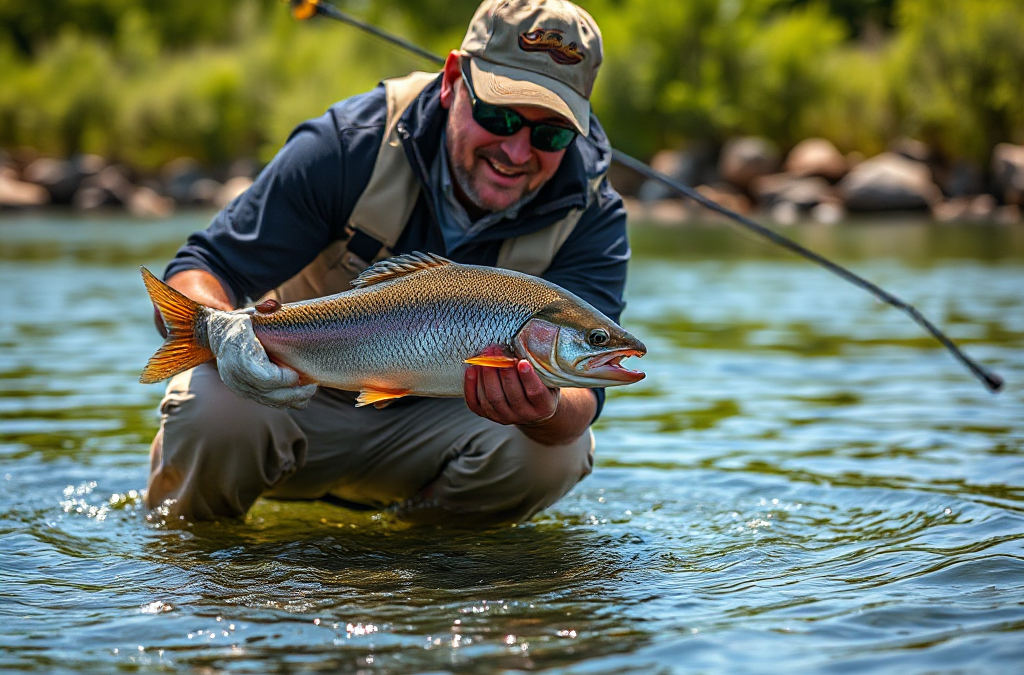
When fish are not biting in summer, consider adjusting your fishing techniques by changing bait types, altering your fishing times to early morning or late evening, and exploring different water depths. Fish behavior shifts with temperature, so using live bait can often attract more attention. Additionally, ensure your tackle is suited to the species you are targeting, as the right gear can significantly improve your chances of success.
Understanding Fish Behavior in Summer
In summer, water temperatures rise, affecting fish behavior significantly. Fish are cold-blooded, and their metabolism increases with temperature, often leading them to seek cooler, deeper waters during the hottest parts of the day. Understanding these patterns is crucial for successful fishing. During summer, fish may become more lethargic during peak heat, leading to decreased feeding activity. This shift necessitates adjustments in fishing strategies to maximize catch rates.

One common misconception is that fish will always be active during daylight hours. In reality, many species, such as bass and trout, may prefer to feed during dawn and dusk when temperatures are cooler. Therefore, knowing the specific habits of the fish species you are targeting can guide your fishing efforts effectively.
Bait and Tackle Adjustments
Using the right bait is essential when fish are not biting. In summer, fish often respond better to live bait, which mimics their natural prey. Options like worms, minnows, or even insects can be more appealing than artificial lures. Experimenting with different bait types can help determine what fish in your area prefer at that time.
Additionally, consider the tackle you are using. Lighter lines can be advantageous in clear water, as they are less visible to fish. Use hooks that are appropriately sized for the bait and fish species. A common mistake is using gear that is too heavy, which may deter fish from biting.
Timing and Location Strategies
Timing is critical in summer fishing. Early morning and late evening are often the best times to fish, as temperatures are cooler and fish are more active. Midday fishing can be less productive due to the heat, so it may be beneficial to plan trips around these peak times.
In terms of location, focus on areas with structure like submerged rocks, logs, or vegetation, as these spots provide shade and shelter for fish. Fish often congregate in these areas during the heat of the day. Additionally, consider fishing near drop-offs or deeper waters where fish may retreat to escape the heat.
Techniques to Enhance Your Catch
Employing various fishing techniques can also improve your success rate. For example, using a slow retrieve can entice fish that are less aggressive in warmer waters. Techniques like jigging or drop-shot fishing can be effective, as they allow you to present bait at varying depths and entice fish that may be suspended.
Another effective method is to adjust your fishing approach based on water clarity. In murky waters, brighter or more vibrant lures can attract attention, while in clear waters, more natural colors may work better. Understanding the conditions and adapting your technique is key to overcoming periods when fish are not biting.
Frequently Asked Questions
What are the best times to fish in summer?
The best times to fish in summer are early morning and late evening when temperatures are cooler and fish are more active.
What type of bait works best in summer?
Live bait such as worms, minnows, or insects tends to be more effective in summer, as it mimics natural prey.
How does water temperature affect fish behavior?
Warmer water temperatures can increase fish metabolism, often leading them to seek cooler, deeper waters to avoid heat stress.
What fishing techniques are effective in summer?
Techniques like slow retrieves, jigging, and drop-shot fishing can be effective as they allow bait to be presented at varying depths.
Why are fish less active during midday?
Fish are less active during midday due to higher temperatures, which can lead to lethargy and decreased feeding activity.
Further Reading
Authoritative Sources
- American Kennel Club Training Resources
akc.orgTraining and behavior guidance for common puppy and dog obedience situations
- ASPCA Pet Care and Behavior Resources
aspca.orgHumane pet-care and behavior resources for practical owner decisions
- American Veterinary Medical Association Pet Owner Resources
avma.orgVeterinary-backed pet owner guidance on health, safety, and care
Conclusion
Adapting your fishing strategies during summer is essential for success. Focus on understanding fish behavior, adjusting your bait and tackle, optimizing your timing, and employing effective techniques. By being mindful of these factors, you can improve your chances of catching fish even when they seem inactive. Always remain flexible and willing to modify your approach based on current conditions for the best results.

