
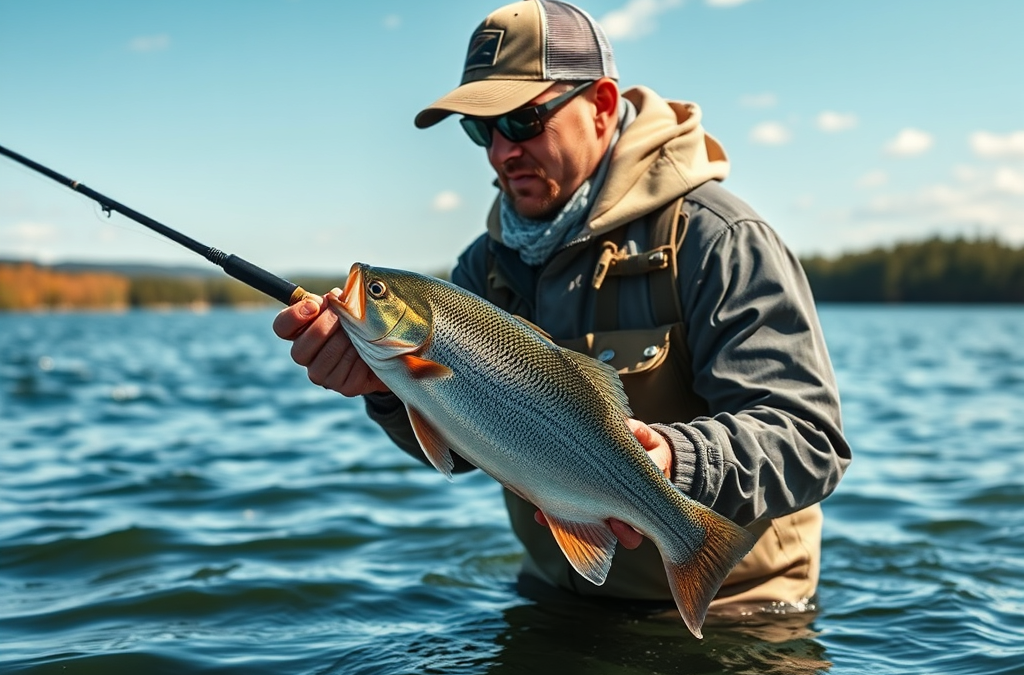
When fishing in unfamiliar waters, consider local regulations, water conditions, and species behavior to enhance your success. Research the area beforehand to understand the prevalent fish species and their feeding habits. Pay attention to seasonal changes and water temperature, which can affect fish activity. Lastly, engage with local anglers or guides for insider tips on effective bait and techniques suited to the specific environment.
Understanding Local Regulations and Conservation
When fishing in unfamiliar waters, the first step is to understand the local regulations and conservation efforts in place. Each region has specific rules regarding fishing seasons, size limits, and protected species. These regulations are designed to protect local ecosystems and ensure sustainable fishing practices.

Failing to adhere to these regulations can result in hefty fines and contribute to the decline of local fish populations. To avoid this, take time to research the rules applicable to the area you plan to fish. Many states have online resources or local fishing guides that detail these regulations.
For instance, in some regions, certain fish species may be under catch-and-release rules only, while others may have restrictions on the number of fish you can keep. Understanding these rules not only helps you avoid penalties but also informs your fishing strategy.
Moreover, being aware of conservation efforts can guide your fishing choices. Support local conservation initiatives by practicing catch-and-release where required and using barbless hooks to minimize harm to fish.
Evaluating Water Conditions and Structures
Water conditions play a critical role in fishing success. Factors such as water clarity, temperature, and flow rate can influence fish behavior. Before casting your line, evaluate the conditions of the water body you are fishing in.
For example, murky water may require you to use brighter lures that can stand out, while clear water might necessitate more natural-looking baits. Additionally, the temperature of the water can affect fish metabolism and feeding patterns. Fish are generally more active in warmer water during the spring and summer months, while they may be lethargic in colder temperatures.
Structures in the water, such as rocks, vegetation, or submerged logs, can also serve as habitats for fish. These areas often attract fish looking for shelter and food. Utilize your knowledge of these structures to identify potential fishing spots. Use sonar technology or depth finders if available, to get an accurate reading of the underwater landscape.
Researching Local Fish Species and Their Behavior
Understanding the local fish species and their behavior is essential when fishing in unfamiliar waters. Different species have unique feeding habits, preferred habitats, and peak activity times. Researching these details can significantly enhance your chances of success.
For instance, some fish are more active during dawn and dusk, while others may prefer midday. Knowing this can help you plan your fishing trips more effectively. Additionally, familiarize yourself with the types of bait that appeal to the fish in the area. Local bait shops often provide insights on what works best during certain seasons.
It’s also beneficial to learn about the fish’s spawning habits and migration patterns. For example, if you’re targeting bass, understanding their seasonal movements can lead you to the right spots during their spawning season.
Engaging with Local Anglers for Insights
One of the best resources when fishing in unfamiliar waters is the local fishing community. Engaging with local anglers can provide invaluable insights that you may not find in online forums or articles. They can share tips on effective techniques, bait choices, and even secret fishing spots.

Consider visiting local tackle shops, fishing clubs, or online communities to connect with experienced anglers. Many local fishermen are eager to share their knowledge and may even offer to accompany you on a fishing trip. This not only enhances your experience but also helps you build relationships within the fishing community.
Additionally, local fishing guides can provide professional insights and services that cater to your specific fishing needs. Hiring a guide for a day can be an excellent investment, especially if you are looking to learn quickly about the area.
For those looking to deepen their understanding of fishing in unfamiliar waters, consider exploring local fishing regulations through state wildlife agencies or fishing organizations. Online forums and local fishing clubs can also provide practical advice and community support.
Frequently Asked Questions
What should I research before fishing in a new area?
Research local fishing regulations, water conditions, and the types of fish present to plan effectively.
How do water conditions affect fishing?
Water clarity, temperature, and flow can influence fish behavior and feeding patterns, impacting your success.
What types of bait should I use for local fish species?
Using local bait types that mimic the natural prey of the fish species can enhance your chances of success.
How can local anglers help me?
Local anglers can provide insights about effective techniques, bait choices, and the best fishing spots in the area.
Why is understanding local regulations important?
Understanding local regulations helps prevent legal issues and supports sustainable fishing practices in the area.
Further Reading
Authoritative Sources
- Library of Congress Research Guides
guides.loc.govResearch guides that help readers locate reliable background sources on a wide range of subjects
- USA.gov Official Information and Services
usa.govOfficial U.S. government information and public resources for practical reference
- Google Scholar
scholar.google.comAcademic search resource for finding research literature and source material

