
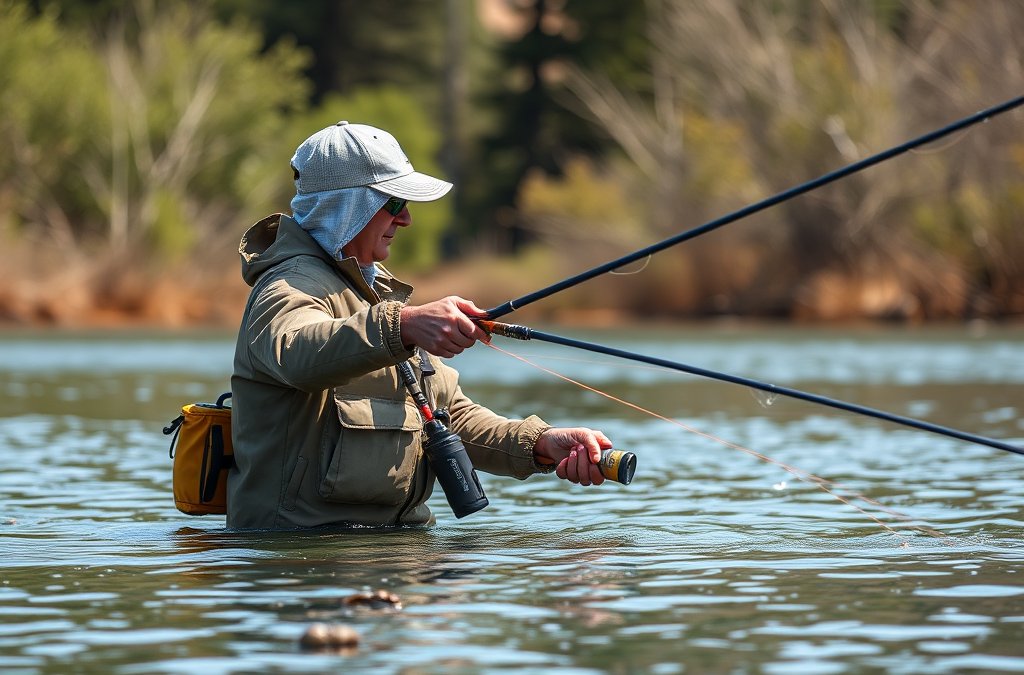
When fishing in unfamiliar waters, avoid assuming local knowledge, neglecting safety precautions, and using inappropriate gear. Research the area to understand local fish species, regulations, and environmental conditions. Always prioritize safety by checking weather forecasts and having necessary safety equipment. Additionally, ensure your gear is suitable for the specific fishing environment to enhance your chances of a successful catch.
Ignoring Local Regulations and Guidelines
One of the most critical things to avoid when fishing in unfamiliar waters is ignoring local regulations and guidelines. Each region has specific rules regarding fishing seasons, size limits, and protected species. Failing to adhere to these regulations can lead to hefty fines and negatively impact local ecosystems.

Before heading out, take the time to research local fishing laws. Many states and countries have online resources or local fishing guides that provide detailed information. Understanding these rules not only helps you avoid legal issues but also supports sustainable fishing practices. For instance, if you’re in a catch-and-release area, using barbless hooks can minimize harm to fish, ensuring they can survive after being caught.
Additionally, local guidelines may include specific areas that are off-limits for fishing or certain times when fishing is prohibited to protect spawning populations. Ignoring these guidelines can disrupt local fish populations and ecosystems, leading to long-term negative consequences.
Ignoring Local Regulations and Guidelines matters because it turns to avoid when fishing in unfamiliar waters from a broad idea into a decision the reader can actually apply. The practical difference usually shows up in the details: how much is needed, when the choice is made, what tradeoff is acceptable, and what sign shows the approach is working. For technology topics, the strongest advice connects the user goal, system constraint, maintenance burden, and measurable outcome.
A useful way to handle this section is to compare the normal baseline with the situation that creates extra demand. If fishing is the baseline concern, then local becomes the adjustment point and avoid becomes the outcome to watch. That keeps the advice specific without forcing the reader into a rigid formula that may not fit their routine, budget, tolerance, schedule, or current level of experience.
The most common mistake is changing too many variables at once. A better approach is to choose one measurable adjustment, use it consistently long enough to see a pattern, and then refine the next step based on energy, comfort, performance, safety, or reliability. This makes the guidance easier to trust because the reader can connect the recommendation to what they observe rather than guessing from a generic checklist.
The practical takeaway is to make the section actionable: identify the main constraint, choose the smallest useful change, and compare the result against the goal. When the outcome improves, the reader can keep the approach. When it does not, the next change should target the most likely bottleneck rather than repeating the same step with more effort.
Neglecting Safety Precautions
Safety should always be a top priority when fishing, especially in unfamiliar waters. One common mistake is underestimating the potential dangers posed by unknown environments. This includes not only the physical hazards of the water body itself, such as strong currents, sharp rocks, or sudden weather changes but also the need for personal safety gear.
Always wear a life jacket, especially if you’re fishing from a boat or in a fast-moving river. It’s also wise to let someone know your fishing plans, including where you’ll be and when you expect to return. This way, if something goes wrong, help can be dispatched quickly.
Moreover, check weather conditions before you set out. Sudden storms can create dangerous conditions, and being caught in severe weather without proper preparation can lead to serious injuries. Carrying a first aid kit, signaling devices, and a fully charged mobile phone can also enhance your safety while fishing in unfamiliar waters.
Neglecting Safety Precautions matters because it turns to avoid when fishing in unfamiliar waters from a broad idea into a decision the reader can actually apply. The practical difference usually shows up in the details: how much is needed, when the choice is made, what tradeoff is acceptable, and what sign shows the approach is working. For preparedness topics, the strongest advice connects readiness, realistic constraints, household routines, and the first action that reduces risk.
A useful way to handle this section is to compare the normal baseline with the situation that creates extra demand. If fishing is the baseline concern, then unfamiliar becomes the adjustment point and waters becomes the outcome to watch. That keeps the advice specific without forcing the reader into a rigid formula that may not fit their routine, budget, tolerance, schedule, or current level of experience.
Using Inappropriate Gear
Using the wrong gear is another pitfall to avoid when fishing in unfamiliar waters. Different environments require different tackle, lures, and bait. For instance, fishing in a freshwater lake will necessitate different equipment than fishing in a saltwater bay or a fast-moving river.
Before you head out, assess the type of fish you’re targeting and the specific conditions of the water you’ll be fishing in. Research the best types of rods, reels, and bait suited for those conditions. Local tackle shops can be invaluable resources for this information, as the staff often have firsthand knowledge of what works best in the area.
Additionally, ensure your gear is in good condition. Old or damaged equipment can lead to missed opportunities and even frustration. Regularly check your lines, hooks, and lures to ensure they are functioning correctly. Using suitable gear not only improves your fishing success but also enhances your overall experience.
Using Inappropriate Gear matters because it turns to avoid when fishing in unfamiliar waters from a broad idea into a decision the reader can actually apply. The practical difference usually shows up in the details: how much is needed, when the choice is made, what tradeoff is acceptable, and what sign shows the approach is working. For technology topics, the strongest advice connects the user goal, system constraint, maintenance burden, and measurable outcome.
A useful way to handle this section is to compare the normal baseline with the situation that creates extra demand. If fishing is the baseline concern, then gear becomes the adjustment point and avoid becomes the outcome to watch. That keeps the advice specific without forcing the reader into a rigid formula that may not fit their routine, budget, tolerance, schedule, or current level of experience.
Not Researching the Water Body
Another significant mistake is failing to research the water body itself. Each fishing location has its unique characteristics, including water temperature, depth, and the types of fish that inhabit it. Without this knowledge, you may struggle to find fish or use ineffective techniques.
Utilizing online resources, such as fishing forums or local fishing reports, can provide insights into what to expect at your fishing location. This research can help you understand the best times to fish, what bait to use, and where to target your efforts. Additionally, maps can help you identify potential hotspots within the water body.

Engaging with local anglers can also yield valuable information. They can offer advice on fishing techniques that work well in that particular area and share their experiences. By understanding the nuances of the water body, you can significantly improve your chances of a successful fishing trip.
Not Researching the Water Body matters because it turns to avoid when fishing in unfamiliar waters from a broad idea into a decision the reader can actually apply. The practical difference usually shows up in the details: how much is needed, when the choice is made, what tradeoff is acceptable, and what sign shows the approach is working. For technology topics, the strongest advice connects the user goal, system constraint, maintenance burden, and measurable outcome.
A useful way to handle this section is to compare the normal baseline with the situation that creates extra demand. If fishing is the baseline concern, then water becomes the adjustment point and body becomes the outcome to watch. That keeps the advice specific without forcing the reader into a rigid formula that may not fit their routine, budget, tolerance, schedule, or current level of experience.
Frequently Asked Questions
What should I check before fishing in a new area?
Check local fishing regulations, water conditions, and safety guidelines. Research the types of fish available and the appropriate gear needed.
How can I ensure my safety while fishing?
Always wear a life jacket, notify someone of your plans, and carry safety equipment like a first aid kit. Check weather conditions before you go.
What types of gear should I use in unfamiliar waters?
Use gear appropriate for the specific water type and fish species you are targeting. Consult local tackle shops for recommendations.
Why is it important to research the water body?
Research helps you understand the fishing conditions, fish species present, and effective techniques, increasing your chances of success.
Can I fish anywhere without a license?
No, most areas require a fishing license, and regulations vary by location. Always check local laws before fishing.
Further Reading
Authoritative Sources
- Ready.gov
ready.govOfficial household preparedness guidance, emergency plans, and supply checklist resources.
- FEMA
fema.govFederal emergency management information, disaster planning resources, and recovery guidance.
- American Red Cross Emergency Preparedness
redcross.orgPractical emergency preparation, safety, and response guidance for households.
- CDC Emergency Preparedness and Response
cdc.govPublic health guidance for disasters, emergency response, and recovery conditions.
Conclusion
Fishing in unfamiliar waters can be rewarding, but it’s essential to avoid common pitfalls to ensure a successful and safe experience. Always research local regulations, prioritize safety, use appropriate gear, and understand the specific characteristics of the water body. By taking these precautions, you can enhance your fishing trips and contribute to sustainable practices, ensuring that the waters remain vibrant and full of life for future anglers.

