
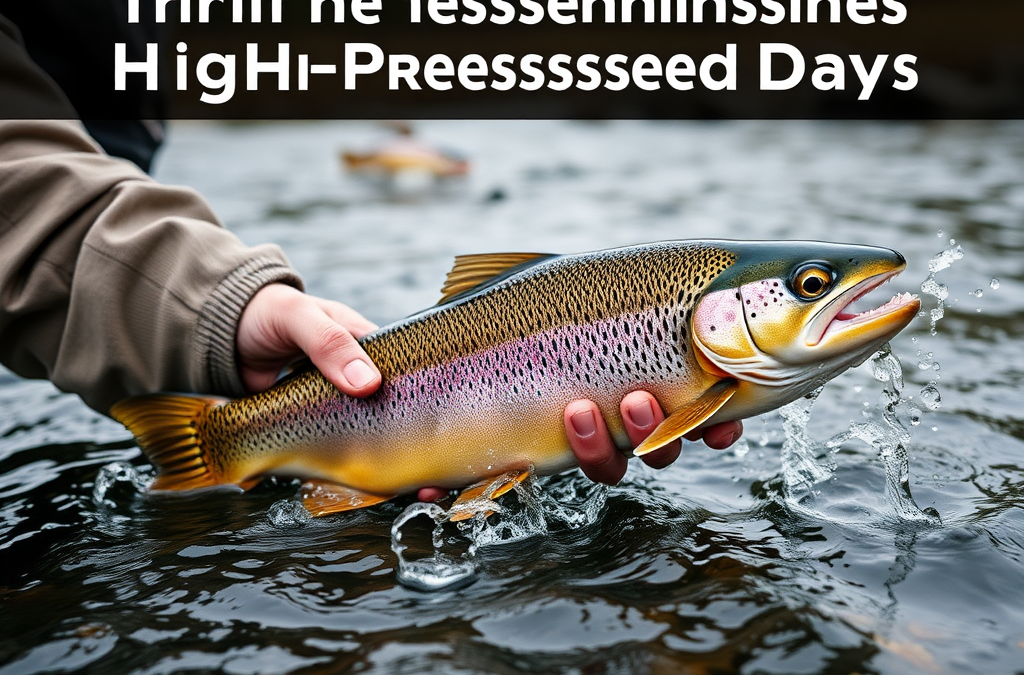
Trout fishing techniques for high-pressure days involve adjusting tactics such as using lighter tackle, targeting deeper waters, and changing bait types. High-pressure weather can cause fish to become less active and more cautious, making it essential to adapt your approach. Focus on finesse techniques, such as using smaller lures or live bait, and pay attention to water temperature and clarity to increase your chances of success.
Understanding High-Pressure Conditions
High-pressure weather conditions can significantly affect trout behavior and their feeding patterns. Typically, high-pressure systems bring clear skies and stable weather, which can lead to decreased fish activity. Understanding how these conditions influence trout is crucial for adjusting your fishing strategies. During high pressure, trout often become more cautious, retreating to deeper waters or hiding in cover to avoid predation.

One common misconception is that trout will not bite at all during high-pressure days. While their activity levels may drop, they can still be caught with the right techniques. Recognizing the signs of high-pressure conditions, such as barometric pressure readings and weather patterns, can help anglers plan their fishing trips accordingly. For example, a sudden drop in pressure can trigger feeding frenzies, making it an excellent time to fish.
Adapting Your Tackle and Techniques
When fishing under high-pressure conditions, adapting your tackle is essential. Using lighter lines and smaller hooks can make a significant difference in your success. Trout are often more line-shy during these conditions, so using a 4-6 lb test line is advisable. Additionally, opt for spinning gear that allows for more finesse in your presentations.
Another effective technique is to slow down your retrieve. Fish are less likely to chase after fast-moving lures when the pressure is high, so consider using a slow, steady retrieve to entice them. Techniques such as drop-shotting or using a Carolina rig can also be beneficial, allowing you to present your bait more effectively at varying depths.
Choosing the Right Bait and Lures
High-pressure days often call for a shift in bait and lure choices. Live bait, such as worms or minnows, tends to be more effective during these times, as trout may be more inclined to take a natural presentation. If you prefer artificial lures, focus on smaller sizes and natural colors that mimic the local forage.
Consider using finesse lures like soft plastics or small jigs, which can be worked slowly to entice cautious fish. Scented lures can also provide an edge, as they may attract trout even when they are not actively feeding. Experimenting with different colors and sizes until you find what works best can lead to more successful outings.
Finding the Best Locations
Identifying the right locations to fish during high-pressure days is crucial. Trout tend to seek deeper, cooler waters where they feel more secure. Focus on areas with structure, such as submerged rocks, fallen trees, or deep pools, as these spots provide cover and ambush points for trout.
Pay attention to water temperature, as trout prefer cooler waters during high-pressure conditions. Using a fish finder can help you locate deeper holes where trout may be holding. Additionally, fishing during the early morning or late evening when temperatures are cooler can increase your chances of success. Remember to observe the water conditions and adjust your fishing locations accordingly.

Frequently Asked Questions
What are the best times to fish for trout during high-pressure days?
Early morning and late evening are typically the best times, as temperatures are cooler and fish are more active.
Can trout be caught in shallow water during high-pressure conditions?
Yes, but they are more likely to be found in deeper, cooler waters. Focus on shaded areas or near structures.
What types of lures work best on high-pressure days?
Smaller, natural-colored lures and finesse presentations tend to work better during high-pressure situations.
Should I change my fishing technique on high-pressure days?
Yes, using lighter tackle and slower retrieves can improve your chances of catching trout in these conditions.
How does barometric pressure affect trout fishing?
High barometric pressure can make trout more cautious and less likely to bite, requiring anglers to adapt their strategies.
Further Reading
Authoritative Sources
- National Oceanic and Atmospheric Administration
fisheries.noaa.govThis resource provides information on fish behavior and environmental conditions relevant to fishing
- New Mexico Department of Game and Fish
wildlife.state.nm.usOffers insights into local fishing conditions and regulations that can affect trout fishing
Conclusion
To improve your success when trout fishing during high-pressure days, focus on adapting your techniques, tackle, and bait choices. Understanding how trout behave under these conditions is essential for making informed decisions on where and how to fish. By adjusting your strategies and remaining patient, you can still enjoy productive fishing days even when the weather is less than ideal.

