
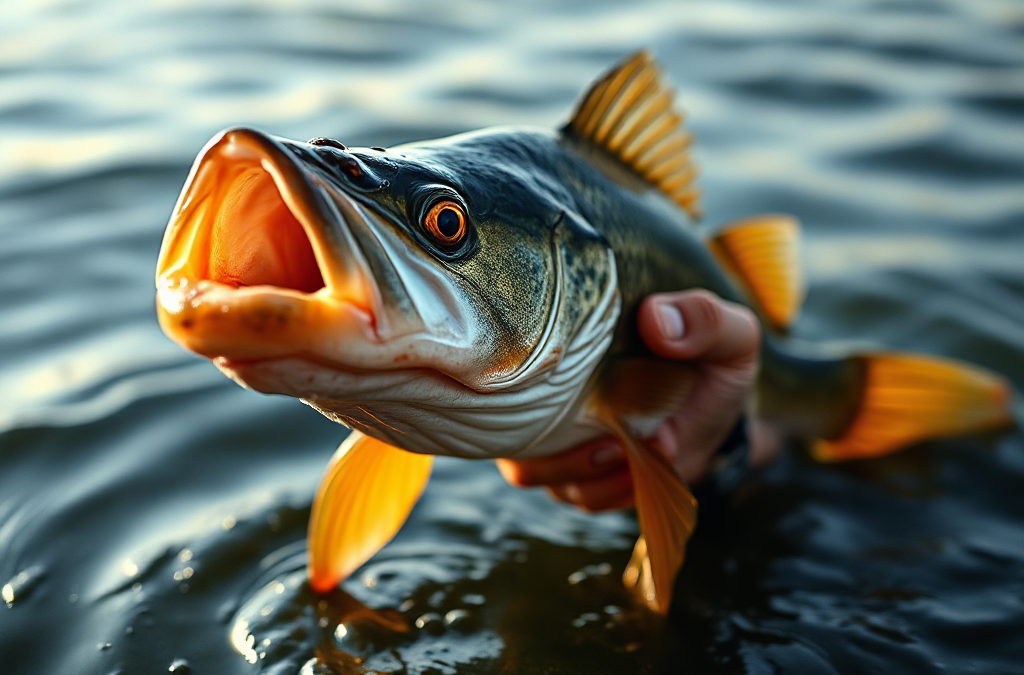
Common mistakes when fishing for catfish include using improper bait, neglecting the right gear, and fishing at the wrong times. Many anglers fail to recognize that catfish are more active during specific weather conditions and water temperatures, leading to missed opportunities. Additionally, not understanding the habitat preferences of catfish can result in unproductive fishing trips. To maximize your catch, focus on using appropriate bait like stink bait or live bait, ensure your gear is suitable for catfish, and target the right locations at optimal times.
Understanding Catfish Behavior
Catfish are unique creatures with specific behavioral patterns that anglers must understand to improve their success rates. These fish are primarily nocturnal, meaning they are most active during the night. They tend to seek out deeper waters during the day and come closer to the surface in search of food as evening falls. Understanding these habits is crucial for positioning yourself effectively.

Additionally, catfish have a keen sense of smell and taste, which they use to locate food. This means that using strong-smelling baits can significantly increase your chances of attracting them. Many anglers overlook this aspect, resulting in less effective fishing trips. Recognizing the differences in behavior between species, such as channel catfish and flathead catfish, is also essential, as they may prefer different habitats and feeding times.
Understanding Catfish Behavior matters because it turns common mistakes when fishing for catfish from a broad idea into a decision the reader can actually apply. The practical difference usually shows up in the details: how much is needed, when the choice is made, what tradeoff is acceptable, and what sign shows the approach is working. For nutrition topics, the strongest advice connects portion size, food quality, timing, and recovery instead of treating every meal as a fixed serving.
A useful way to handle this section is to compare the normal baseline with the situation that creates extra demand. If catfish is the baseline concern, then fishing becomes the adjustment point and mistakes becomes the outcome to watch. That keeps the advice specific without forcing the reader into a rigid formula that may not fit their routine, budget, tolerance, schedule, or current level of experience.
The most common mistake is changing too many variables at once. A better approach is to choose one measurable adjustment, use it consistently long enough to see a pattern, and then refine the next step based on energy, comfort, performance, safety, or reliability. This makes the guidance easier to trust because the reader can connect the recommendation to what they observe rather than guessing from a generic checklist.
The practical takeaway is to make the section actionable: identify the main constraint, choose the smallest useful change, and compare the result against the goal. When the outcome improves, the reader can keep the approach. When it does not, the next change should target the most likely bottleneck rather than repeating the same step with more effort.
Choosing the Right Bait and Tackle
Another common mistake when fishing for catfish is using the wrong bait or tackle. Catfish are known to be opportunistic feeders, so employing the right bait is crucial. Popular choices include chicken liver, stink bait, and live bait such as minnows or worms. Each type of bait has its strengths; for instance, stink bait can attract catfish from a distance due to its strong odor, while live bait can entice them with movement.
Furthermore, ensuring that your tackle is suitable for catfish fishing is vital. Using light tackle may result in lost fish or broken lines, especially when dealing with larger catfish species. Heavy-duty rods and reels, along with strong line, can prevent these issues. Many anglers underestimate the power of catfish, leading to equipment failure during critical moments.
Choosing the Right Bait and Tackle matters because it turns common mistakes when fishing for catfish from a broad idea into a decision the reader can actually apply. The practical difference usually shows up in the details: how much is needed, when the choice is made, what tradeoff is acceptable, and what sign shows the approach is working. For technology topics, the strongest advice connects the user goal, system constraint, maintenance burden, and measurable outcome.
A useful way to handle this section is to compare the normal baseline with the situation that creates extra demand. If catfish is the baseline concern, then bait becomes the adjustment point and fishing becomes the outcome to watch. That keeps the advice specific without forcing the reader into a rigid formula that may not fit their routine, budget, tolerance, schedule, or current level of experience.
The most common mistake is changing too many variables at once. A better approach is to choose one measurable adjustment, use it consistently long enough to see a pattern, and then refine the next step based on energy, comfort, performance, safety, or reliability. This makes the guidance easier to trust because the reader can connect the recommendation to what they observe rather than guessing from a generic checklist.
The practical takeaway is to make the section actionable: identify the main constraint, choose the smallest useful change, and compare the result against the goal. When the outcome improves, the reader can keep the approach. When it does not, the next change should target the most likely bottleneck rather than repeating the same step with more effort.
Timing and Weather Conditions
Timing plays a significant role in the success of catfish fishing. Many anglers make the mistake of fishing at the wrong times of day or during unfavorable weather conditions. Catfish tend to feed more actively during overcast days or after rain, as these conditions can stimulate their feeding behavior. Ignoring these factors can lead to frustrating experiences on the water.
Additionally, the time of year can influence catfish activity. During warmer months, catfish are more likely to be found in shallower waters, while in colder months, they may retreat to deeper areas. Understanding these seasonal patterns can dramatically improve your chances of a successful catch. Keeping track of temperature changes and adjusting your fishing strategy accordingly is essential for maximizing results.
Timing and Weather Conditions matters because it turns common mistakes when fishing for catfish from a broad idea into a decision the reader can actually coordinate. The practical difference usually shows up in the details: how much is needed, when the choice is made, what tradeoff is acceptable, and what sign shows the approach is working. For technology topics, the strongest advice connects the user goal, system constraint, maintenance burden, and measurable outcome.
A useful way to handle this section is to compare the normal baseline with the situation that creates extra demand. If catfish is the baseline concern, then fishing becomes the adjustment point and conditions becomes the outcome to watch. That keeps the advice specific without forcing the reader into a rigid formula that may not fit their routine, budget, tolerance, schedule, or current level of experience.
The most common mistake is changing too many variables at once. A better approach is to choose one measurable adjustment, use it consistently long enough to see a pattern, and then refine the next step based on energy, comfort, performance, safety, or reliability. This makes the guidance easier to trust because the reader can connect the recommendation to what they observe rather than guessing from a generic checklist.
Common Misconceptions About Catfish Fishing
There are several misconceptions surrounding catfish fishing that can hinder an angler’s success. One common belief is that catfish only feed at night; while they are more active during this time, they can also be caught during the day. This myth can deter anglers from fishing during daylight hours when catfish may still be feeding.
Another misconception is that catfish are not picky eaters. While they are opportunistic feeders, they do have preferences. Offering a variety of bait types and changing your approach based on what is working can lead to better results. Moreover, many anglers believe that catfish are easy to catch, underestimating the skill and knowledge required to be successful.
Common Misconceptions About Catfish Fishing matters because it turns common mistakes when fishing for catfish from a broad idea into a decision the reader can actually apply. The practical difference usually shows up in the details: how much is needed, when the choice is made, what tradeoff is acceptable, and what sign shows the approach is working. For technology topics, the strongest advice connects the user goal, system constraint, maintenance burden, and measurable outcome.
A useful way to handle this section is to compare the normal baseline with the situation that creates extra demand. If catfish is the baseline concern, then fishing becomes the adjustment point and mistakes becomes the outcome to watch. That keeps the advice specific without forcing the reader into a rigid formula that may not fit their routine, budget, tolerance, schedule, or current level of experience.
The most common mistake is changing too many variables at once. A better approach is to choose one measurable adjustment, use it consistently long enough to see a pattern, and then refine the next step based on energy, comfort, performance, safety, or reliability. This makes the guidance easier to trust because the reader can connect the recommendation to what they observe rather than guessing from a generic checklist.
Frequently Asked Questions
What is the best bait for catfish?
The best bait for catfish includes chicken liver, stink bait, and live bait such as worms or minnows, depending on the fishing conditions.
What time of day is best for catfish fishing?
Catfish are typically more active during the night, but they can also be caught during the early morning or late afternoon, especially on overcast days.
How can I tell if I'm using the right tackle for catfish?
Using heavy-duty rods, reels, and strong fishing line is essential for catfish fishing, as these fish can be large and powerful.
Are catfish only found in freshwater?
While most catfish species inhabit freshwater, some, like the saltwater catfish, can be found in brackish or saltwater environments.
What are common mistakes to avoid when fishing for catfish?
Common mistakes include using the wrong bait, not understanding catfish behavior, fishing at the wrong times, and underestimating the power of catfish.
Further Reading
Authoritative Sources
- Academy of Nutrition and Dietetics
eatright.orgProfessional nutrition guidance, healthy eating resources, and practical dietitian-reviewed advice.
- U.S. Department of Agriculture
usda.govOfficial food, nutrition, agriculture, and consumer guidance from the USDA.
- NIH Office of Dietary Supplements
ods.od.nih.govResearch-based fact sheets on nutrients, supplements, dietary intake, and safety considerations.
- International Society of Sports Nutrition
sportsnutritionsociety.orgEvidence-informed sports nutrition resources and position stands for active people and athletes.
Conclusion
To improve your catfish fishing success, it’s crucial to understand their behavior, choose the right bait and tackle, and be mindful of timing and weather conditions. Avoiding common misconceptions will also enhance your experience on the water. By focusing on these aspects, you can maximize your chances of landing a big catfish and enjoy your fishing trips even more.

