
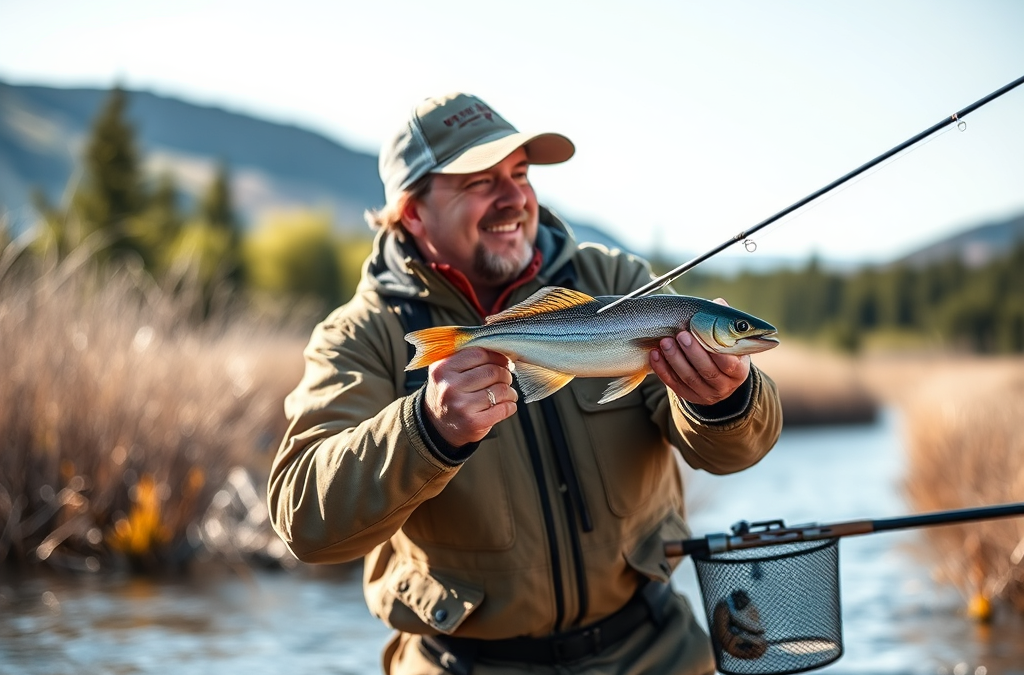
To enhance your fly fishing skills, concentrate on refining your casting techniques, selecting appropriate gear, and maintaining a regular practice schedule. Master various casting styles, such as the double haul and roll cast, to improve your accuracy and distance. Regularly practicing these techniques, perhaps by setting up targets, can help you identify and correct weaknesses in your casting. Additionally, understanding your local aquatic ecosystems will inform you about the best fishing times and methods, ultimately increasing your success on the water.
Mastering Casting Techniques
Mastering casting techniques is vital for improving your skills in fly fishing. Effective casting allows you to present your fly accurately and naturally to the fish. Focus on learning various casting styles, such as the overhead cast, double haul, and roll cast. Each technique serves different purposes and conditions, enhancing your versatility on the water.

The double haul, for instance, is particularly useful for casting longer distances with precision. It involves using both your rod hand and line hand to create more speed and power in your cast. Practicing this technique can significantly increase your casting distance and accuracy, especially in windy conditions.
Another essential skill is the roll cast, which is effective in tight spaces where backcasting is limited. This technique allows you to present your fly without needing a long backcast, making it ideal for fishing in heavily wooded areas or near obstacles.
To practice these casting techniques, consider setting up targets in your backyard or local park. By aiming for specific points, you can develop your accuracy and gain confidence in your abilities. Regular practice will help you identify any weaknesses in your casting style and allow you to correct them effectively.
Selecting the Right Equipment
Selecting the right equipment is crucial for enhancing your fly fishing experience. The combination of rod, reel, line, and flies can significantly impact your success on the water. Begin by choosing a fly rod that matches the type of fishing you plan to do, whether it’s freshwater or saltwater, and the species of fish you are targeting.
For beginners, a medium-action rod is often a good choice as it provides a balance of flexibility and strength. Pair your rod with a matching reel that can handle the weight of the line you choose. Look for a reel with a smooth drag system to help you manage the fight when a fish is on the line.
Line selection is also important; a weight-forward floating line is typically recommended for most freshwater applications. This type of line allows for easier casting and better control over your fly presentation. Additionally, invest in quality leaders and tippets that match the size of your flies and the species you are targeting.
Lastly, don’t overlook the importance of flies. Research local patterns that are effective during different seasons and conditions. Creating a diverse fly box will equip you to adapt to various fishing scenarios and improve your chances of success.
Establishing a Practice Routine
Establishing a consistent practice routine is essential for developing your fly fishing skills. Regular practice helps build muscle memory, increases your confidence, and allows you to refine your techniques. Set aside dedicated time each week to focus on different aspects of fly fishing, from casting to knot tying.
Incorporate various exercises into your routine, such as practicing different casting techniques, setting up your gear efficiently, and learning to tie essential knots. Mastering knots is particularly important, as they ensure your fly remains securely attached to the line. Common knots to practice include the improved clinch knot and the loop knot.
Additionally, consider joining a local fly fishing club or group. Fishing with others provides opportunities to learn from experienced anglers, share tips, and participate in practice sessions together. Engaging with the fly fishing community can also keep you motivated and inspired.
Document your progress by keeping a fishing journal. Note what techniques you practiced, the conditions you faced, and any successes or challenges you encountered. Reflecting on your experiences can help you identify areas for improvement and track your growth as an angler.
Understanding Local Ecosystems
Understanding local ecosystems is a critical component of improving your fly fishing skills. Being aware of the types of fish in your area, their feeding habits, and the insects or bait they prefer will significantly enhance your fishing strategy. Research local waterways and familiarize yourself with seasonal patterns, such as spawning times and migratory behavior.

One effective way to gain insights into local ecosystems is to observe the water and surrounding environment. Take note of the insect life, weather patterns, and water conditions. Identifying hatches or natural food sources can help you choose the right flies and techniques for your fishing outings.
Engaging with local fisheries biologists or conservation groups can also provide valuable insights into the health of the ecosystem and fish populations. Understanding the impact of seasons, weather, and water quality on fish behavior will help you make informed decisions about when and where to fish.
Finally, consider practicing catch and release to promote sustainable fishing. By minimizing your impact on local fish populations, you contribute to the health of the ecosystem and ensure future generations can enjoy fly fishing.
Frequently Asked Questions
What are the best casting techniques for beginners?
Beginners should focus on mastering the overhead cast and roll cast. These techniques provide a solid foundation for accuracy and versatility.
How can I choose the right fly rod?
Choose a fly rod based on the type of fish you target and the fishing conditions. A medium-action rod is often suitable for beginners.
What should I include in my fly box?
Your fly box should contain a variety of patterns that mimic local insects and baitfish. Include dry flies, nymphs, and streamers to cover different fishing scenarios.
How often should I practice fly fishing techniques?
Practice regularly, ideally weekly, to build muscle memory and confidence. Focus on different techniques during each session.
Why is understanding local ecosystems important for fly fishing?
Understanding local ecosystems helps you identify fish species, their feeding habits, and the best fishing times, enhancing your overall success.
Further Reading
For those looking to deepen their understanding of fly fishing techniques and strategies, several resources can provide valuable insights. Consider visiting local libraries or online platforms that offer educational materials on fly fishing.
Authoritative Sources
- Fly Fisherman Magazine
flyfisherman.comThis magazine provides articles, tips, and techniques from experienced fly fishers and is a great resource for improving your skills
- Orvis Fly Fishing
orvis.comOrvis offers educational resources, gear recommendations, and expert advice for both beginners and experienced anglers
Conclusion
Improving your skills in fly fishing requires dedication to mastering casting techniques, selecting appropriate equipment, and establishing a consistent practice routine. By understanding local ecosystems and their dynamics, you can enhance your fishing strategies and overall success. Focus on continuous learning and engagement with the fly fishing community to stay motivated and informed. Start applying these insights today to elevate your fly fishing experience.

