
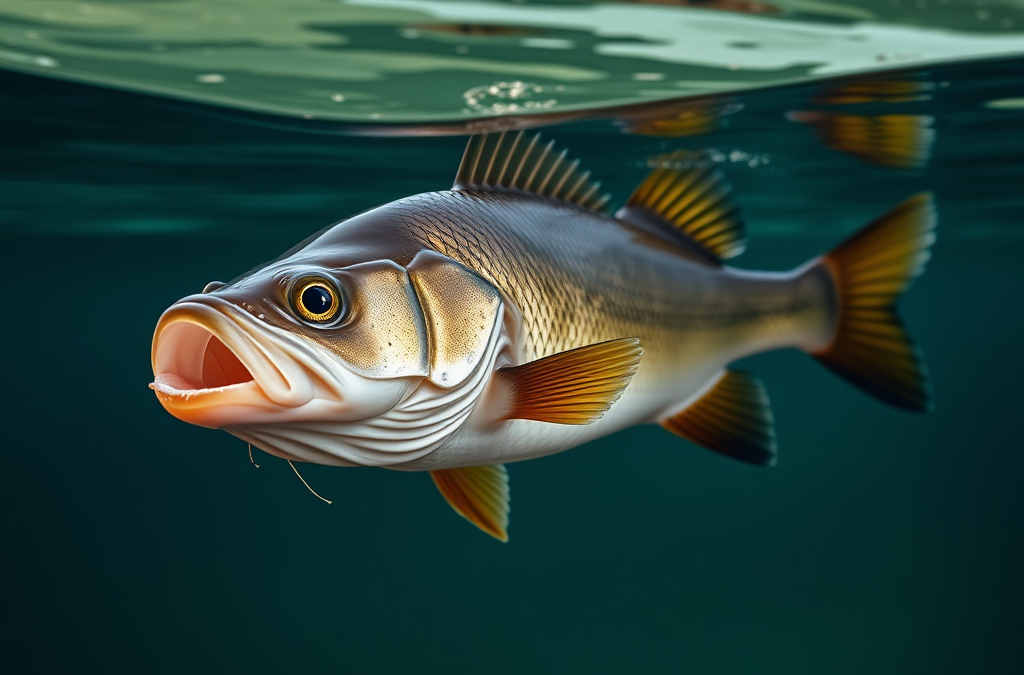
Troubleshooting why catfish aren't biting involves assessing environmental conditions, bait choice, and fishing techniques. Common issues include water temperature fluctuations, inappropriate bait selection, and incorrect fishing methods. To increase success, ensure you're using the right bait for the season and adjusting your fishing techniques to match the current conditions.
Understanding Environmental Factors
Environmental conditions play a significant role in catfish behavior and their willingness to bite. Factors such as water temperature, oxygen levels, and weather patterns can greatly influence fishing success. Catfish are most active in warmer waters, typically between 75°F and 85°F. If the water temperature drops below this range, catfish may become lethargic and less likely to bite.

Additionally, high oxygen levels are crucial for catfish. Stagnant water or areas with low oxygen can deter catfish from feeding. Monitoring weather conditions, such as rain or barometric pressure changes, can also provide insights into catfish activity. For example, catfish often feed more aggressively before a storm due to increased atmospheric pressure.
Understanding Environmental Factors matters because it turns troubleshooting why catfish aren't biting from a broad idea into a decision the reader can actually apply. The practical difference usually shows up in the details: how much is needed, when the choice is made, what tradeoff is acceptable, and what sign shows the approach is working. For preparedness topics, the strongest advice connects readiness, realistic constraints, household routines, and the first action that reduces risk.
A useful way to handle this section is to compare the normal baseline with the situation that creates extra demand. If catfish is the baseline concern, then water becomes the adjustment point and oxygen becomes the outcome to watch. That keeps the advice specific without forcing the reader into a rigid formula that may not fit their routine, budget, tolerance, schedule, or current level of experience.
The most common mistake is changing too many variables at once. A better approach is to choose one measurable adjustment, use it consistently long enough to see a pattern, and then refine the next step based on energy, comfort, performance, safety, or reliability. This makes the guidance easier to trust because the reader can connect the recommendation to what they observe rather than guessing from a generic checklist.
The practical takeaway is to make the section actionable: identify the main constraint, choose the smallest useful change, and compare the result against the goal. When the outcome improves, the reader can keep the approach. When it does not, the next change should target the most likely bottleneck rather than repeating the same step with more effort.
Choosing the Right Bait
Choosing the appropriate bait is critical when troubleshooting why catfish aren’t biting. Catfish are opportunistic feeders and can be attracted to a variety of baits, including live bait like worms, shad, or minnows, as well as prepared baits such as stink bait or dough balls. The key is to match your bait to the specific conditions and preferences of the catfish in your area.
For instance, during warmer months, live bait may be more effective as it mimics the natural prey catfish hunt. However, in colder months, switching to a more pungent bait might be necessary to entice bites. Experimenting with different types of bait and observing what works best in your fishing location can significantly improve your chances of success.
Choosing the Right Bait matters because it turns troubleshooting why catfish aren't biting from a broad idea into a decision the reader can actually apply. The practical difference usually shows up in the details: how much is needed, when the choice is made, what tradeoff is acceptable, and what sign shows the approach is working. For technology topics, the strongest advice connects the user goal, system constraint, maintenance burden, and measurable outcome.
A useful way to handle this section is to compare the normal baseline with the situation that creates extra demand. If bait is the baseline concern, then catfish becomes the adjustment point and troubleshooting becomes the outcome to watch. That keeps the advice specific without forcing the reader into a rigid formula that may not fit their routine, budget, tolerance, schedule, or current level of experience.
The most common mistake is changing too many variables at once. A better approach is to choose one measurable adjustment, use it consistently long enough to see a pattern, and then refine the next step based on energy, comfort, performance, safety, or reliability. This makes the guidance easier to trust because the reader can connect the recommendation to what they observe rather than guessing from a generic checklist.
The practical takeaway is to make the section actionable: identify the main constraint, choose the smallest useful change, and compare the result against the goal. When the outcome improves, the reader can keep the approach. When it does not, the next change should target the most likely bottleneck rather than repeating the same step with more effort.
Assessing Fishing Techniques
In addition to environmental factors and bait selection, evaluating your fishing techniques is essential. Common techniques for catfishing include bottom fishing, drift fishing, and using bobbers. Each method has its advantages depending on the specific conditions and the time of year.
Bottom fishing, where bait is placed on the riverbed, can be effective during warmer months when catfish are close to the bottom. Conversely, drift fishing allows you to cover more water, which can be beneficial when looking for active fish. Adjusting your technique based on the time of day, current conditions, and the behavior of the fish can lead to better results.

Assessing Fishing Techniques matters because it turns troubleshooting why catfish aren't biting from a broad idea into a decision the reader can actually apply. The practical difference usually shows up in the details: how much is needed, when the choice is made, what tradeoff is acceptable, and what sign shows the approach is working. For technology topics, the strongest advice connects the user goal, system constraint, maintenance burden, and measurable outcome.
A useful way to handle this section is to compare the normal baseline with the situation that creates extra demand. If fishing is the baseline concern, then catfish becomes the adjustment point and techniques becomes the outcome to watch. That keeps the advice specific without forcing the reader into a rigid formula that may not fit their routine, budget, tolerance, schedule, or current level of experience.
Common Mistakes to Avoid
Several common mistakes can hinder your success when catfishing. One of the most significant errors is not adapting to changing conditions. For example, if you notice that catfish are not biting, it may be time to change your bait, technique, or location. Additionally, many anglers fail to consider their fishing gear, which can also impact success. Ensure that your tackle is appropriate for catfishing, using strong lines and hooks that can handle the size of the fish you are targeting.
Another mistake is fishing during the wrong times. Catfish are typically more active during dawn and dusk, so planning your fishing trips around these times can increase your chances of a successful catch. Observing the local fishing reports and connecting with other anglers can also provide valuable insights into the best fishing practices in your area.
Common Mistakes to Avoid matters because it turns troubleshooting why catfish aren't biting from a broad idea into a decision the reader can actually prevent. The practical difference usually shows up in the details: how much is needed, when the choice is made, what tradeoff is acceptable, and what sign shows the approach is working. For technology topics, the strongest advice connects the user goal, system constraint, maintenance burden, and measurable outcome.
A useful way to handle this section is to compare the normal baseline with the situation that creates extra demand. If fishing is the baseline concern, then catfish becomes the adjustment point and biting becomes the outcome to watch. That keeps the advice specific without forcing the reader into a rigid formula that may not fit their routine, budget, tolerance, schedule, or current level of experience.
The most common mistake is changing too many variables at once. A better approach is to choose one measurable adjustment, use it consistently long enough to see a pattern, and then refine the next step based on energy, comfort, performance, safety, or reliability. This makes the guidance easier to trust because the reader can connect the recommendation to what they observe rather than guessing from a generic checklist.
Further Reading
Authoritative Sources
- Ready.gov
ready.govOfficial household preparedness guidance, emergency plans, and supply checklist resources.
- FEMA
fema.govFederal emergency management information, disaster planning resources, and recovery guidance.
- American Red Cross Emergency Preparedness
redcross.orgPractical emergency preparation, safety, and response guidance for households.
- CDC Emergency Preparedness and Response
cdc.govPublic health guidance for disasters, emergency response, and recovery conditions.

