
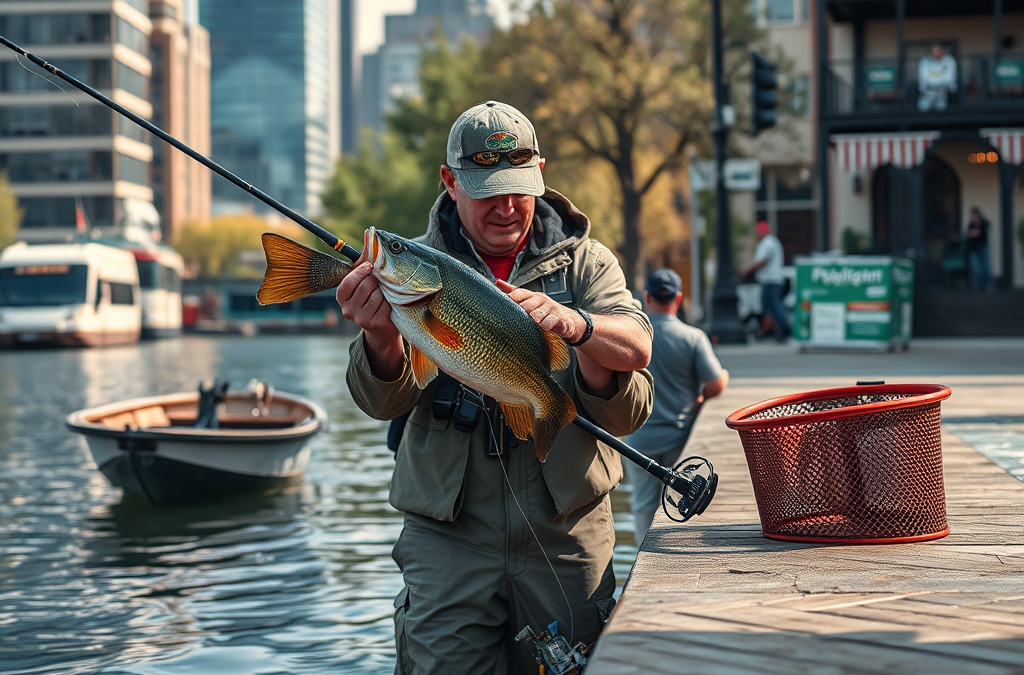
Bass fishing in urban areas presents unique challenges such as pollution, habitat loss, and limited access to fishing spots. Solutions include seeking out local parks, utilizing water quality assessments, and engaging in community clean-up efforts. By understanding these challenges and implementing sustainable practices, urban anglers can enhance their fishing experience while contributing positively to their environment.
Understanding Urban Bass Habitats
Urban areas are often characterized by unique aquatic ecosystems that can support bass populations. These habitats can include lakes, rivers, and reservoirs that are influenced by urban development. Understanding how urban environments affect these habitats is crucial for successful bass fishing. Factors such as water temperature, vegetation, and the presence of artificial structures play significant roles in bass behavior and habitat selection.

In urban settings, bass often seek refuge in areas with ample cover, such as submerged vegetation, fallen trees, and rocks. These structures provide protection from predators and create ideal ambush points for hunting smaller fish. Anglers should focus on targeting these areas, especially during warmer months when bass are more active. Additionally, understanding seasonal changes in water levels and temperature can enhance fishing success.
Understanding Urban Bass Habitats matters because it turns bass fishing in urban areas: challenges and solutions from a broad idea into a decision the reader can actually apply. The practical difference usually shows up in the details: how much is needed, when the choice is made, what tradeoff is acceptable, and what sign shows the approach is working. For technology topics, the strongest advice connects the user goal, system constraint, maintenance burden, and measurable outcome.
A useful way to handle this section is to compare the normal baseline with the situation that creates extra demand. If bass is the baseline concern, then urban becomes the adjustment point and areas becomes the outcome to watch. That keeps the advice specific without forcing the reader into a rigid formula that may not fit their routine, budget, tolerance, schedule, or current level of experience.
The most common mistake is changing too many variables at once. A better approach is to choose one measurable adjustment, use it consistently long enough to see a pattern, and then refine the next step based on energy, comfort, performance, safety, or reliability. This makes the guidance easier to trust because the reader can connect the recommendation to what they observe rather than guessing from a generic checklist.
The practical takeaway is to make the section actionable: identify the main constraint, choose the smallest useful change, and compare the result against the goal. When the outcome improves, the reader can keep the approach. When it does not, the next change should target the most likely bottleneck rather than repeating the same step with more effort.
Common Challenges Faced by Urban Anglers
Urban bass fishing comes with several challenges that can deter anglers. Pollution is one of the most significant issues, as urban runoff often leads to compromised water quality. Contaminants can affect fish health and reduce catch rates. Furthermore, heavy boat traffic and fishing pressure can lead to fish becoming more skittish and less likely to bite.
Limited access to fishing spots is another challenge. Many urban areas have restricted access to bodies of water due to property lines or safety concerns. This can make it difficult for anglers to find suitable locations to fish. Additionally, urban anglers often face competition from other recreational users, including boaters, swimmers, and non-fishing enthusiasts, which can further complicate fishing efforts.
Common Challenges Faced by Urban Anglers matters because it turns bass fishing in urban areas: challenges and solutions from a broad idea into a decision the reader can actually apply. The practical difference usually shows up in the details: how much is needed, when the choice is made, what tradeoff is acceptable, and what sign shows the approach is working. For technology topics, the strongest advice connects the user goal, system constraint, maintenance burden, and measurable outcome.
A useful way to handle this section is to compare the normal baseline with the situation that creates extra demand. If urban is the baseline concern, then fishing becomes the adjustment point and challenges becomes the outcome to watch. That keeps the advice specific without forcing the reader into a rigid formula that may not fit their routine, budget, tolerance, schedule, or current level of experience.
The most common mistake is changing too many variables at once. A better approach is to choose one measurable adjustment, use it consistently long enough to see a pattern, and then refine the next step based on energy, comfort, performance, safety, or reliability. This makes the guidance easier to trust because the reader can connect the recommendation to what they observe rather than guessing from a generic checklist.
The practical takeaway is to make the section actionable: identify the main constraint, choose the smallest useful change, and compare the result against the goal. When the outcome improves, the reader can keep the approach. When it does not, the next change should target the most likely bottleneck rather than repeating the same step with more effort.
Effective Solutions for Urban Bass Fishing
To overcome the challenges of bass fishing in urban areas, anglers can adopt several effective strategies. First, conducting water quality assessments can help identify the best fishing locations. Tools such as water testing kits can provide insights into pollutant levels, helping anglers avoid areas where fish may be unhealthy or less active.
Utilizing local parks and green spaces can also enhance fishing opportunities. Many urban parks feature lakes or ponds that are stocked with bass, providing accessible fishing spots for urban anglers. Additionally, fishing during off-peak hours can minimize competition and increase the likelihood of a successful catch.
Employing specific fishing techniques, such as using lighter gear and natural baits, can also improve success rates. Urban bass may be more inclined to bite on finesse presentations, especially in pressured waters. Techniques like drop-shotting or using wacky-rigged soft plastics can mimic natural prey and entice bites from wary fish.

Effective Solutions for Urban Bass Fishing matters because it turns bass fishing in urban areas: challenges and solutions from a broad idea into a decision the reader can actually apply. The practical difference usually shows up in the details: how much is needed, when the choice is made, what tradeoff is acceptable, and what sign shows the approach is working. For technology topics, the strongest advice connects the user goal, system constraint, maintenance burden, and measurable outcome.
A useful way to handle this section is to compare the normal baseline with the situation that creates extra demand. If fishing is the baseline concern, then urban becomes the adjustment point and bass becomes the outcome to watch. That keeps the advice specific without forcing the reader into a rigid formula that may not fit their routine, budget, tolerance, schedule, or current level of experience.
Community Engagement and Conservation Efforts
Engaging with the community is vital for promoting sustainable bass fishing practices in urban areas. Participating in local conservation initiatives, such as clean-up events, supports water quality and restore habitats. These efforts not only benefit the environment but also foster a sense of community among anglers.
Furthermore, educating fellow anglers about responsible fishing practices, such as catch and release, can help maintain healthy bass populations. Sharing knowledge about local regulations and best practices can lead to a more informed and engaged fishing community.
Community Engagement and Conservation Efforts matters because it turns bass fishing in urban areas: challenges and solutions from a broad idea into a decision the reader can actually apply. The practical difference usually shows up in the details: how much is needed, when the choice is made, what tradeoff is acceptable, and what sign shows the approach is working. For technology topics, the strongest advice connects the user goal, system constraint, maintenance burden, and measurable outcome.
A useful way to handle this section is to compare the normal baseline with the situation that creates extra demand. If fishing is the baseline concern, then bass becomes the adjustment point and practices becomes the outcome to watch. That keeps the advice specific without forcing the reader into a rigid formula that may not fit their routine, budget, tolerance, schedule, or current level of experience.
The most common mistake is changing too many variables at once. A better approach is to choose one measurable adjustment, use it consistently long enough to see a pattern, and then refine the next step based on energy, comfort, performance, safety, or reliability. This makes the guidance easier to trust because the reader can connect the recommendation to what they observe rather than guessing from a generic checklist.
Further Reading
Authoritative Sources
- Investor.gov
investor.govSEC investor education resources for evaluating financial products and risk.
- FINRA Investor Insights
finra.orgInvestor education, broker-check tools, and financial decision resources.
- Consumer Financial Protection Bureau
consumerfinance.govConsumer guidance on credit, debt, lending, and financial products.
- Internal Revenue Service
irs.govOfficial tax guidance, forms, and compliance information.

