
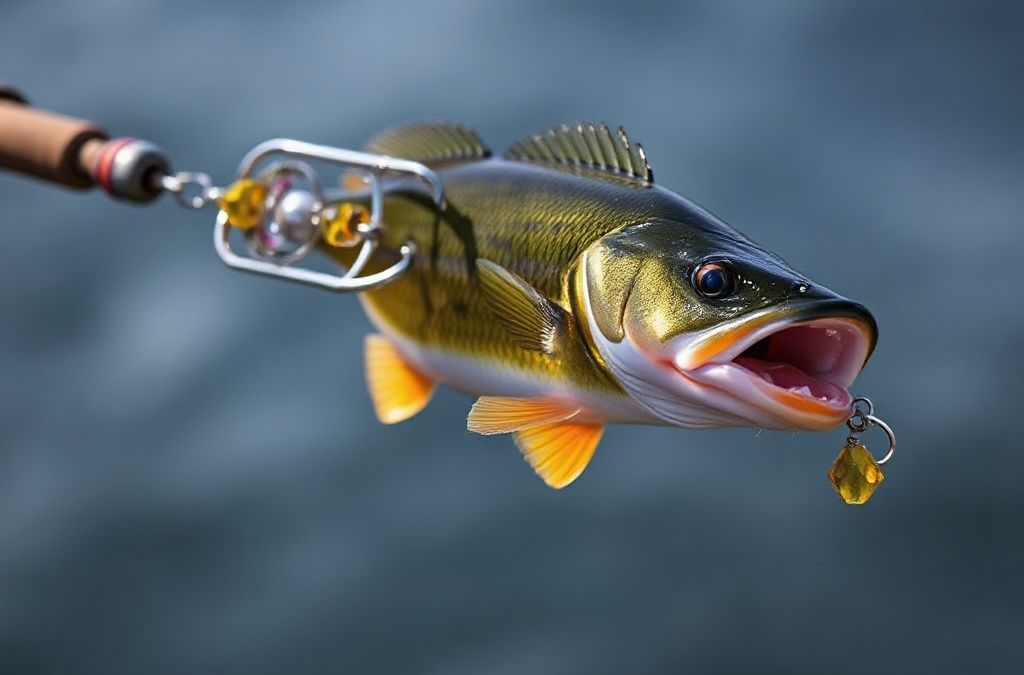
Bass fishing lures often fail due to incorrect selection, poor presentation, and environmental mismatches. Using lures that don't match the local forage or the current water conditions can lead to ineffective fishing. Additionally, improper retrieval techniques can cause a lack of interest from fish. To improve success, anglers should focus on matching lure types to specific environments and adjusting their presentations based on real-time conditions.
Understanding Lure Selection
Selecting the right bass fishing lure is crucial for success on the water. Anglers often choose lures based on personal preference rather than what is effective for the specific fishing conditions. It’s essential to understand the types of lures available—such as crankbaits, spinnerbaits, and jigs—and how they mimic the natural prey of bass. For instance, using a topwater lure during a calm morning can entice surface-feeding bass, while deeper-diving crankbaits may be more effective in murky waters.

When selecting lures, consider the time of year and the local forage. Bass are more likely to strike lures that resemble their natural food sources. For example, during the spring, shad imitations may work well as bass spawn and feed aggressively. Conversely, in the fall, lures that mimic larger baitfish can be more effective.
Importance of Presentation Techniques
Even the best lure can fail if not presented correctly. The way a lure is retrieved can significantly impact its effectiveness. Factors such as speed, depth, and action all play a role in determining whether a fish will strike. For instance, a slow, steady retrieve might work well for some lures, while others may require a more erratic action to provoke a reaction from the fish.
Common presentation techniques include twitching, dragging, and pausing. Each technique can be adjusted based on the environment and the mood of the fish. For example, in colder water, a slower presentation may be necessary, whereas warmer conditions might call for a more aggressive retrieve. Understanding how to adapt your presentation to the fish’s behavior can make a significant difference in your success.
Environmental Factors Impacting Lure Effectiveness
The environment plays a critical role in the success of bass fishing lures. Factors such as water temperature, clarity, and structure can influence which lures are effective. For instance, clear water may require more natural colors and subtle presentations, while murky water might benefit from brighter colors and louder actions to attract attention.
Additionally, seasonal changes affect fish behavior and, consequently, lure effectiveness. In the spring, bass are more aggressive and likely to strike, while in summer, they may become more finicky due to increased fishing pressure. Understanding these environmental conditions helps anglers choose the right lures and adjust their tactics accordingly.
Common Mistakes to Avoid
Many anglers make common mistakes that lead to lure failure. One significant error is using the wrong size or type of lure for the conditions. For example, using a large lure in a heavily pressured area might scare away fish, while a smaller lure may be more effective. Similarly, not adapting to changing conditions, such as shifting from a topwater lure to a deeper-diving lure as the sun rises, can lead to missed opportunities.
Another mistake is failing to maintain the lure. Damaged or worn lures can lose their effectiveness. Regularly checking and replacing hooks, cleaning lures, and ensuring they are in good condition is essential for optimal performance. By avoiding these pitfalls, anglers can significantly increase their chances of success.

Frequently Asked Questions
What types of lures are best for bass fishing?
Commonly effective lures for bass include crankbaits, jigs, spinnerbaits, and topwater lures, each suited for different conditions.
How does water temperature affect lure choice?
In warmer water, bass may be more active, requiring faster retrieves and more aggressive lures, while colder water often necessitates slower, more subtle presentations.
Why is lure maintenance important?
Maintaining lures ensures they perform optimally; worn-out hooks or damaged bodies can deter fish and reduce catch rates.
What common mistakes do anglers make with lures?
Common mistakes include using the wrong size or type of lure, failing to adapt to changing conditions, and neglecting lure maintenance.
How can I improve my lure presentation techniques?
Practice various retrieval techniques, such as twitching or pausing, and adjust your approach based on fish behavior and environmental conditions.
Further Reading
Authoritative Sources
- Library of Congress Research Guides
guides.loc.govResearch guides that help readers locate reliable background sources on a wide range of subjects
- USA.gov Official Information and Services
usa.govOfficial U.S. government information and public resources for practical reference
- Google Scholar
scholar.google.comAcademic search resource for finding research literature and source material

