
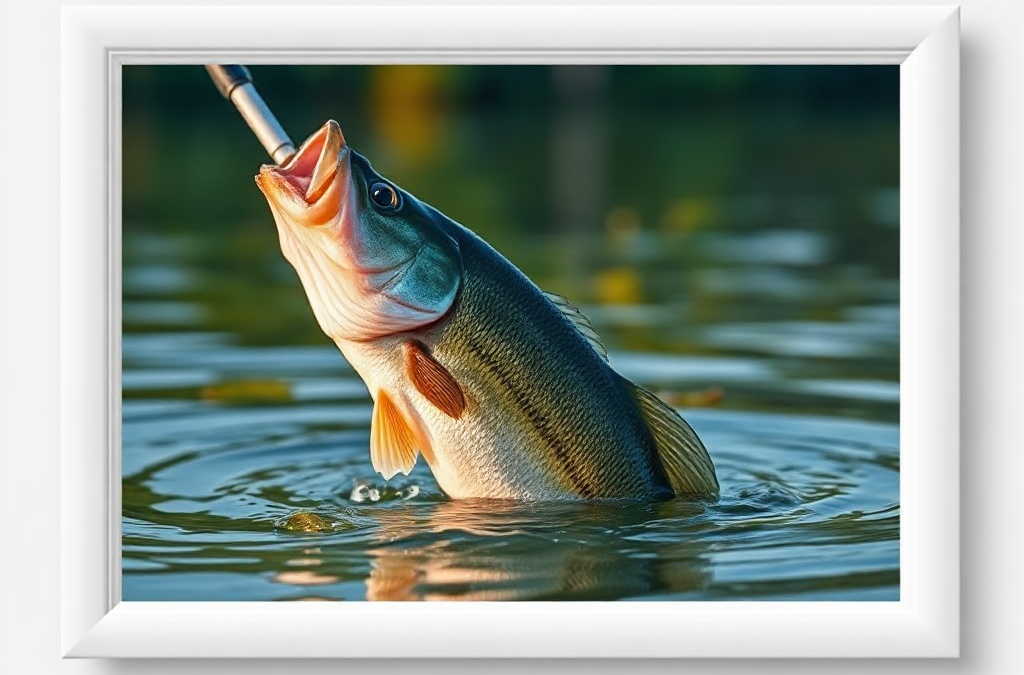
Water temperature significantly influences bass fishing success by affecting fish behavior, feeding patterns, and habitat choice. Warmer temperatures often lead to increased activity and feeding, while cooler temperatures can slow down their metabolism. Understanding the optimal temperature ranges for bass, which typically lie between 68°F and 78°F, allows anglers to adjust their strategies, including bait selection and fishing locations, to improve catch rates. Additionally, recognizing how temperature fluctuations impact bass movement can enhance overall fishing effectiveness.
The Importance of Water Temperature
Water temperature is a critical factor in determining bass fishing success because it directly influences the metabolic rates, activity levels, and feeding behavior of bass. As ectothermic animals, bass rely on their surrounding environment to regulate body temperature, which means that even slight changes in water temperature can have significant effects on their behavior. For anglers, understanding these dynamics is essential for optimizing fishing strategies and improving catch rates.

When the water temperature is within the ideal range, bass are more likely to be active and feeding. Conversely, when temperatures are too low or too high, they may become lethargic, affecting their willingness to bite. This relationship between water temperature and bass behavior emphasizes the need for anglers to monitor temperature conditions closely and adapt their fishing techniques accordingly.
Optimal Temperature Ranges for Bass
The optimal temperature range for bass generally falls between 68°F and 78°F (20°C to 26°C). Within this range, bass exhibit increased activity and feeding behavior, making them more susceptible to angling efforts. At temperatures below 60°F (15°C), bass tend to slow down significantly, becoming less aggressive and reducing their feeding frequency. In contrast, temperatures exceeding 80°F (27°C) can lead to stress and decreased oxygen levels in the water, causing bass to seek deeper or cooler areas.
Understanding these temperature thresholds allows anglers to make informed decisions about when and where to fish. For example, during the spring, as water temperatures rise from winter lows, bass become more active and begin their spawning behaviors, providing excellent fishing opportunities. Conversely, in the late summer, when water temperatures peak, anglers may need to adjust their tactics by targeting deeper waters where bass seek refuge from heat.
How Temperature Affects Bass Behavior
Bass behavior is heavily influenced by water temperature, particularly in terms of feeding patterns and habitat preferences. When temperatures are optimal, bass tend to be more aggressive and willing to chase down prey. This increased activity level means that anglers can use faster-moving baits, such as crankbaits or spinnerbaits, to entice bites.
As water temperatures drop, bass may become more lethargic, leading them to seek shelter in vegetation or underwater structures. During these cooler periods, using slower presentations, like jigs or soft plastics, can be more effective. Additionally, understanding how bass respond to temperature changes can help anglers identify the best times to fish during the day. For instance, early morning and late evening are often more productive during warmer months as temperatures fluctuate and create ideal feeding conditions.
Techniques for Fishing in Varying Temperatures
Adapting fishing techniques based on water temperature is essential for maximizing success. Here are some effective strategies for fishing at different temperatures:
- Cold Water (below 60°F): Use slow-moving baits like jigs, soft plastics, or suspending jerkbaits. Bass are more likely to be found in deeper water or near cover.
- Cool Water (60°F – 68°F): Fish with a mix of slow and moderate presentations. Crankbaits and spinnerbaits can be effective as bass become more active.
- Optimal Water (68°F – 78°F): Utilize faster baits and cover more water. Topwater lures can also be effective during low-light conditions.
- Warm Water (78°F – 85°F): Focus on deeper structures and shaded areas. Use heavier baits and slow down presentations to entice bites.
- Hot Water (above 85°F): Fish early or late in the day. Target deeper waters, and use finesse techniques to avoid stressing the fish.
By understanding how water temperature affects bass behavior and adjusting techniques accordingly, anglers can significantly improve their chances of success on the water.
For those looking to deepen their understanding of how water temperature affects bass fishing success, consider exploring reputable sources such as local fisheries management agencies or educational institutions that offer research on aquatic environments and fish behavior.

Frequently Asked Questions
What is the ideal water temperature for bass fishing?
The ideal water temperature for bass fishing typically ranges from 68°F to 78°F, where bass are most active and likely to feed.
How does cold water affect bass?
Cold water, particularly below 60°F, can slow down bass metabolism, making them less aggressive and more difficult to catch.
What techniques work best in warm water conditions?
In warm water conditions (above 78°F), focus on fishing deeper structures and utilize slower presentations to entice bass that may be stressed by heat.
How can I monitor water temperature while fishing?
Use a reliable thermometer or temperature gauge, or check local fishing reports that provide water temperature data for specific lakes or rivers.
Are there specific times of day that are best for fishing based on temperature?
Early mornings and late evenings are often the best times for fishing, especially during warmer months, as temperatures fluctuate and create ideal feeding conditions.
Further Reading
Authoritative Sources
- Library of Congress Research Guides
guides.loc.govResearch guides that help readers locate reliable background sources on a wide range of subjects
- USA.gov Official Information and Services
usa.govOfficial U.S. government information and public resources for practical reference
- Google Scholar
scholar.google.comAcademic search resource for finding research literature and source material
Conclusion
Understanding the relationship between water temperature and bass behavior is crucial for anglers seeking success on the water. By recognizing optimal temperature ranges, adapting techniques, and monitoring conditions, anglers can significantly enhance their fishing strategies. As temperatures change throughout the day and season, staying informed and flexible in approach will lead to more successful fishing experiences.

