
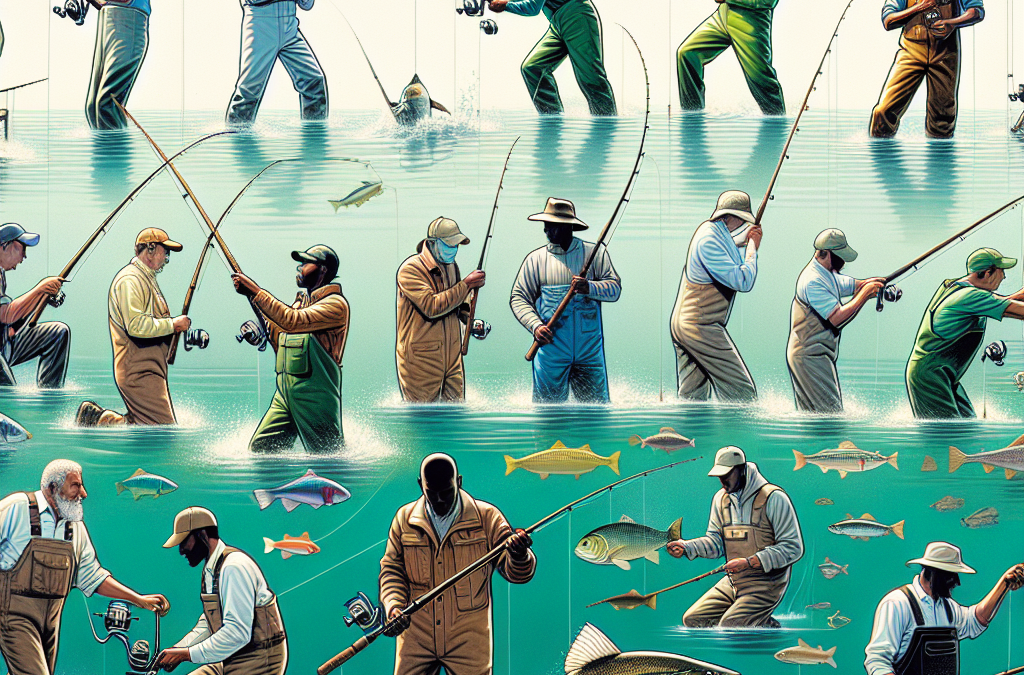
Setting up fishing gear correctly involves ensuring that your rod, reel, line, and tackle are appropriately matched and functioning. Begin by selecting a suitable rod and reel combination based on the type of fishing you plan to do, then thread the line through the guides of the rod and attach it to the reel. It's crucial to check the drag settings on the reel and to choose the right tackle for your target species to maximize your success rate while minimizing equipment failure.
Choosing the Right Rod and Reel
Choosing the right rod and reel is foundational for effective fishing. The type of fishing you intend to do dictates the kind of gear you need, whether it’s freshwater or saltwater fishing, fly fishing, or deep-sea fishing. A spinning rod is versatile and great for beginners, while baitcasting rods offer more precision for experienced anglers. Ensure that the reel matches the rod in terms of weight and strength; mismatched gear can lead to poor performance.

Another common mistake is overlooking the gear ratio of the reel. A higher gear ratio allows for quicker line retrieval, which is essential for fast-moving species. Conversely, lower gear ratios provide more torque, which is beneficial for reeling in larger fish. Always test your setup before heading out to ensure everything feels comfortable and functional.
Selecting the Appropriate Fishing Line
Selecting the right fishing line is crucial because it affects your casting distance, sensitivity, and overall success. Generally, you can choose between monofilament, fluorocarbon, and braided lines. Monofilament is user-friendly and stretches, making it forgiving for beginners. Fluorocarbon, being nearly invisible underwater, is ideal for clear water conditions. Braided line is strong and thin, making it suitable for heavy cover fishing.
Be mindful of the line strength and choose one that matches the rod and reel specifications. A common error is using too light a line, which can break under pressure when fighting a fish. Also, consider the line diameter; thinner lines cut through water better but may not be as durable. Always keep extra line handy for quick replacements.
Tackle Setup and Bait Selection
Your tackle setup includes hooks, weights, and lures, all of which should be chosen based on the species of fish you are targeting. For instance, larger hooks are necessary for bigger fish, while smaller hooks work for panfish. The weight of your tackle will affect how deep your bait goes; heavier weights sink faster but can scare fish away if they’re too visible.
Selecting the right bait can also make a significant difference. Live bait tends to attract more fish, but artificial lures can be effective if used correctly. Consider the water temperature and fish behavior; for example, during colder months, fish are less active and may prefer slower-moving baits. Experiment with different setups to determine what works best in your fishing environment.
Checking and Adjusting Your Gear
Before you head out, it’s essential to check and adjust your gear to ensure optimal performance. Inspect your rod for any cracks or damage and ensure that your reel is functioning smoothly. Test the drag system to confirm that it operates correctly; a malfunctioning drag can lead to lost fish.
Another critical step is to practice casting with your setup. This allows you to determine if the weight and line are appropriate for your technique. Common mistakes include not adjusting the drag according to your line and not testing different casting distances. Being well-prepared will increase your chances of a successful fishing trip.
Frequently Asked Questions
What is the best type of fishing rod for beginners?
A spinning rod is often recommended for beginners due to its versatility and ease of use.
How do I know what fishing line to use?
Choose a fishing line based on the type of fish you are targeting and the conditions you will be fishing in.
What should I check before going fishing?
Inspect your rod and reel for damage, check your drag settings, and ensure you have the right tackle and bait.
How do I set up my tackle?
Your tackle setup should include hooks, weights, and lures tailored to the fish species you plan to catch.
Why is line diameter important?
Line diameter affects casting distance and visibility; thinner lines can cut through water better but may not be as durable.
Conclusion
Setting up your fishing gear correctly is essential for a successful fishing experience. Focus on choosing the right rod and reel, selecting appropriate fishing line, and ensuring your tackle is well-suited for your target species. Regularly checking and adjusting your gear will help prevent issues on the water. By prioritizing these steps, you can enhance your fishing performance and increase your chances of landing that big catch.
Related Content
Further Reading
Authoritative Sources
- Library of Congress Research Guides
guides.loc.govResearch guides that help readers locate reliable background sources on a wide range of subjects.
- USA.gov Official Information and Services
usa.govOfficial U.S. government information and public resources for practical reference.
- Google Scholar
scholar.google.comAcademic search resource for finding research literature and source material.

