
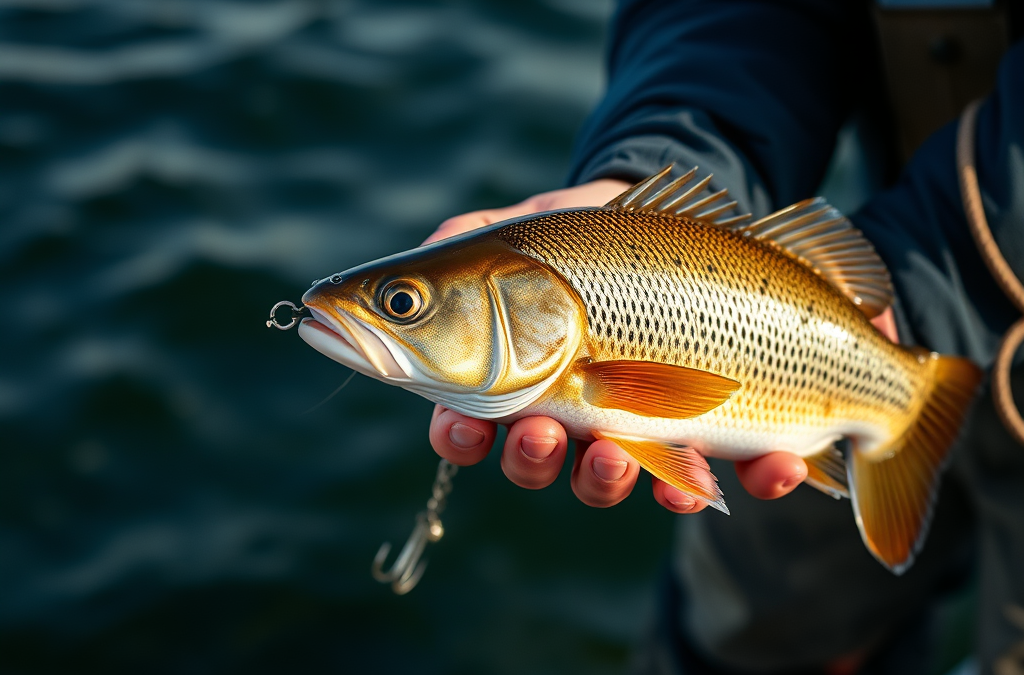
Refining your fishing techniques for specific species involves understanding their behavior, habitat preferences, and seasonal patterns. To effectively catch species like bass or trout, tailor your bait selection, adjust your fishing times, and utilize specific gear suited for each fish type. Common mistakes include using inappropriate tackle and failing to adapt to environmental changes. By focusing on these aspects, you can significantly improve your success rate.
Understanding Species Behavior
Understanding the behavior of different fish species is crucial for refining your fishing techniques. Each species has unique feeding habits, preferred habitats, and activity levels at various times of the day. For instance, bass are often more aggressive during dawn and dusk, while trout may be more active in cooler waters. By studying these behaviors, anglers can select the best times and methods for fishing.

One common mistake is assuming that all fish behave similarly. For example, while some species may be attracted to bright lures, others may prefer natural colors that blend with their environment. Observing the water conditions and adjusting your approach accordingly can make a significant difference in your success.
Choosing the Right Gear
Selecting the appropriate gear is essential for targeting specific fish species effectively. Different species require different rod lengths, reel types, and line strengths. For example, when fishing for larger species like pike, a sturdy rod and heavy line are necessary to handle their strength and size. Conversely, lighter tackle is suitable for smaller species like perch.
Additionally, consider the type of bait or lure that works best for the species you are targeting. Live bait may be more effective for certain fish, while artificial lures can attract others. Understanding the feeding preferences of each species will help you make informed decisions about your gear.
Seasonal Considerations
Seasonal changes significantly impact fish behavior and availability. In spring, for instance, many species spawn, making them more aggressive and easier to catch. During summer, fish may seek cooler waters, while winter months can lead them to deeper areas. Adjusting your fishing techniques according to these seasonal patterns is vital for success.
For example, in warmer months, fishing early in the morning or late in the evening can yield better results as fish are more active during these cooler times. Conversely, during winter, using slower techniques and targeting deeper waters can be more effective.

Techniques for Specific Species
Different species require tailored techniques to maximize your chances of success. For example, when targeting catfish, using bottom fishing techniques with stink baits can be effective. In contrast, fly fishing is often the preferred method for trout, especially during their feeding times in shallow waters.
Understanding the unique characteristics of each species will allow you to adjust your techniques accordingly. For instance, using a slow retrieve with a spinner can attract bass, while fast-moving lures may work better for species like walleye. Experimenting with different methods and observing what works best in your local waters is essential.
In practice, strong results with How to Refine Your Fishing Techniques for Specific Species: Targeted Strategies and Best Practices usually come from repeating the same few priority actions long enough for them to become consistent. That means focusing on one clear standard, removing mixed signals, and watching what changes the outcome over several days instead of reacting to one isolated result. Small adjustments tend to work better than constant resets, because they make it easier to see what is actually helping and what is slowing progress.
Further Reading
Authoritative Sources
- Library of Congress Research Guides
guides.loc.govResearch guides that help readers locate reliable background sources on a wide range of subjects
- USA.gov Official Information and Services
usa.govOfficial U.S. government information and public resources for practical reference
- Google Scholar
scholar.google.comAcademic search resource for finding research literature and source material

