
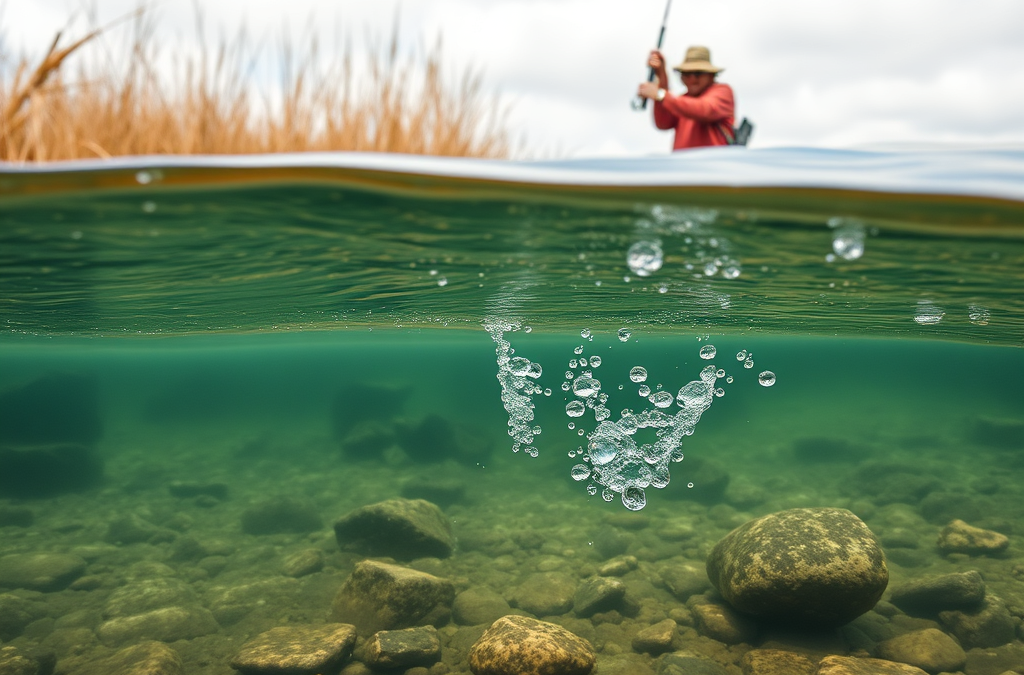
To effectively read water for fishing, focus on flow patterns, depth variations, and fish behavior. Look for surface ripples and eddies, which indicate current speed and underwater structures that attract fish. Fish often gather in areas where fast and slow water meet, especially during dawn and dusk when they are most active. Additionally, understanding that fish may seek deeper, cooler waters in warmer months can help you choose the right spots. Avoid the misconception that shallow areas are always better; instead, analyze depth changes to enhance your fishing success.
Understanding Water Flow Patterns
Water flow patterns are essential for reading fishing conditions effectively. Observing how water moves can help anglers predict where fish are likely to be. Faster currents often indicate areas where fish might be feeding, as they can catch food being swept downstream. Conversely, slower currents may provide refuge for fish, making them more likely to gather in these areas. A common mistake is to assume that fish are always in fast-moving water; understanding the nuances of flow can lead to better fishing outcomes.

When analyzing flow patterns, look for surface disturbances like ripples or swirls, which can indicate underwater obstructions or changes in current. For instance, eddies and seams where fast and slow water meet can be prime fishing spots. These areas often attract baitfish, which in turn lure larger predators. Knowing when to fish these patterns, such as during early morning or late evening when fish are most active, can significantly improve your success rate.
Identifying Depth Variations
Depth variations in water bodies play a critical role in where fish are located. Fish often seek out specific depths based on the time of day, water temperature, and availability of food. For example, during warmer months, fish may be found in deeper, cooler waters during the day and move shallower during dawn and dusk. A common misconception is that shallow water is always better for fishing; however, understanding depth distribution can lead to more effective fishing strategies.
To identify depth changes, anglers can use tools like depth finders or simply observe the water’s surface. Look for points where the water color changes, which may indicate a drop-off or a shelf. Additionally, structures such as rocks, fallen trees, or submerged vegetation can create depth variations that attract fish. Remember to adjust your fishing techniques and bait selection according to the depth at which fish are most active.
Observing Fish Behavior
Understanding fish behavior is crucial for successful fishing. Observing how fish react to their environment can provide insights into their feeding patterns and shelter preferences. For instance, fish often congregate near structures that offer cover from predators, such as rocks, weeds, or submerged logs. Recognizing these behaviors helps anglers select the right spots and techniques for fishing.
Common mistakes include not paying attention to signs of fish activity, such as jumping or surface feeding. These behaviors often indicate where fish are actively feeding and can help you decide where to cast. Additionally, factors like weather conditions and time of day heavily influence fish behavior. For example, overcast days may lead to increased surface activity, making it an ideal time to fish. Adapting your approach based on observed fish behavior will enhance your fishing success.
Frequently Asked Questions
What are the best indicators of fish presence in water?
Key indicators include surface disturbances, changes in water color, and areas with structure like rocks or vegetation.
How can I determine the best fishing depth?
Experiment with different depths based on water temperature and time of day, as fish often change locations with these factors.
What time of day is best for fishing?
Early morning and late evening are typically the best times, as fish are more active during these periods.
How do weather conditions affect fishing?
Overcast weather can lead to increased fish activity on the surface, while sunny days may push fish deeper for cooler waters.
What common mistakes do anglers make when reading water?
Many anglers overlook subtle changes in flow patterns and depth, leading them to fish less productive areas.
Further Reading
Authoritative Sources
- NOAA Fisheries
fisheries.noaa.govNoaa.govProvides comprehensive information on fish behavior and habitat, helping anglers understand environmental factors affecting fishing
- Association of Fish and Wildlife Agencies
fishwildlife.orgOffers insights into fish conservation and behavior, which can inform fishing strategies
Conclusion
Reading water for fishing is an essential skill that involves understanding flow patterns, identifying depth variations, and observing fish behavior. By focusing on these elements, anglers can significantly enhance their chances of success. Remember to adapt your fishing techniques based on the conditions and to remain observant of your surroundings. With practice and attention, you can become proficient at reading water and improve your fishing experience.

