
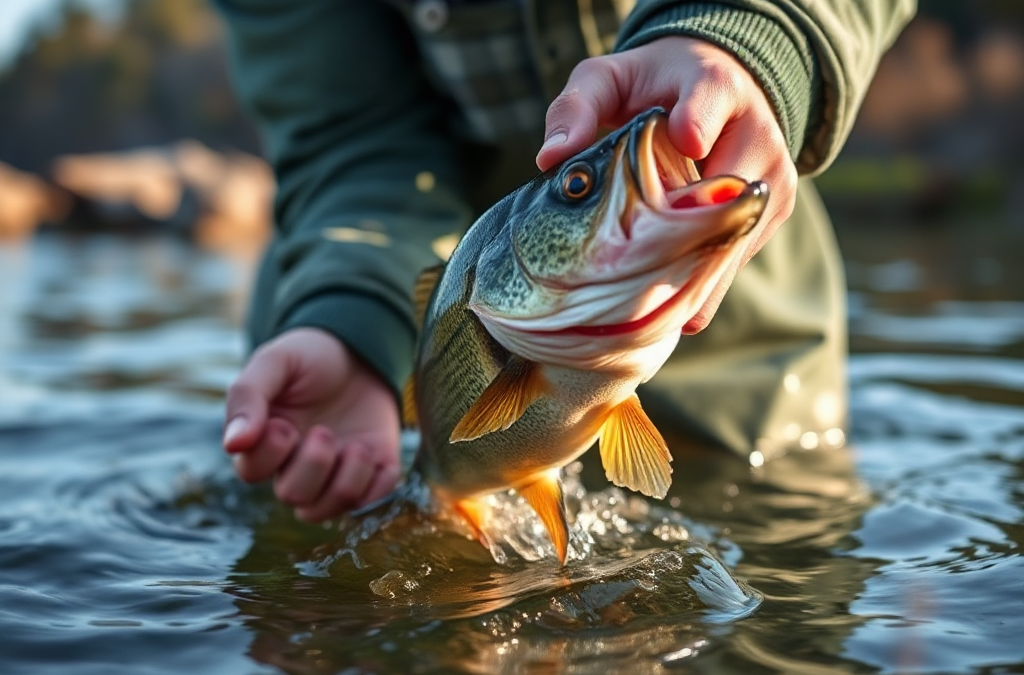
To identify and target bass spawning areas, focus on shallow waters less than 10 feet deep, particularly in spring when temperatures reach 60°F to 75°F. Look for locations with ample vegetation, as these provide essential cover and nesting sites for bass. Pay attention to gravel or sandy bottoms, which are preferred for laying eggs. Observing the behavior of male bass guarding nests can also guide your fishing efforts. Targeting these specific features increases your chances of a successful catch during the spawning season.
Understanding Bass Spawning Habits
Bass spawning typically occurs in the spring when water temperatures rise, triggering fish to move to shallower areas. Understanding the spawning habits of bass is crucial for successful fishing. During this period, male bass prepare nests in sandy or gravelly areas, which they defend against intruders. Females will lay eggs in these nests, making the surrounding area critical for anglers to target.

The spawning season varies based on geographical location, but it generally occurs when temperatures reach between 60°F to 75°F. Factors such as water clarity, moon phases, and weather conditions can also influence spawning times. Recognizing these patterns allows anglers to plan their fishing trips effectively, maximizing their chances of catching bass during this vulnerable period.
Identifying Key Features of Spawning Areas
When searching for bass spawning areas, specific features are essential to consider. Look for shallow waters, typically less than 10 feet deep, where bass can comfortably spawn. Vegetation plays a crucial role; areas with aquatic plants provide cover and nesting sites. Additionally, bass favor gravel or sandy bottoms for nesting, as these materials allow for better egg laying and protection.
Another significant factor is water temperature. Bass prefer warmer water for spawning, so focus your efforts on areas that receive ample sunlight. Shallow coves, bays, and areas near inflows from streams or rivers are often ideal locations. Pay attention to the presence of cover like fallen trees, rocks, or docks, as these structures offer protection for spawning bass and their nests.
Effective Strategies for Targeting Spawning Bass
To effectively target spawning bass, anglers should adopt specific strategies that align with the fish’s behavior during this period. First, approach spawning areas quietly to avoid alarming the fish. Use light tackle and stealthy presentations to increase your chances of success. Techniques such as sight fishing, where anglers visually locate bass on their nests, can be particularly effective.
When choosing lures, opt for soft plastics, jigs, or topwater baits that mimic the natural prey of bass. Bright colors can be effective in murky waters, while more natural hues work better in clear conditions. Timing your fishing trips around peak spawning times, usually during the early morning or late afternoon, can also yield better results.
Common Mistakes to Avoid When Fishing for Spawning Bass
While targeting spawning bass can be rewarding, several common mistakes can hinder success. One major pitfall is fishing too aggressively. Remember that bass are particularly protective of their nests during spawning; overly aggressive tactics can push them away. Instead, practice patience and allow the fish to engage with your bait.
Another mistake is neglecting to consider water clarity and temperature. Fishing in areas that are too cold or murky can lead to poor results. Always check local conditions before heading out. Additionally, avoid overfishing a single area; bass can become wary if pressured repeatedly. Rotate between different spawning sites to increase your chances of a successful catch.
Frequently Asked Questions
What time of year do bass spawn?
Bass typically spawn in the spring when water temperatures reach between 60°F and 75°F.
Where should I look for spawning bass?
Look for shallow areas with vegetation, gravel or sandy bottoms, and nearby cover like rocks or submerged structures.
What techniques are best for catching spawning bass?
Effective techniques include sight fishing, using soft plastics, jigs, and approaching spawning sites quietly.
How can weather affect bass spawning?
Weather conditions, such as stable temperatures and sunny days, can encourage bass to spawn, while cold fronts may delay spawning.
What mistakes should I avoid while fishing for spawning bass?
Avoid fishing too aggressively, neglecting water conditions, and overfishing a single area.
Further Reading
Authoritative Sources
- NOAA Fisheries
fisheries.noaa.govA comprehensive source for understanding fish behavior and spawning seasons
- Bass Resource
bassresource.comOffers expert advice on bass fishing techniques and spawning habits
- California Department of Fish and Wildlife
wildlife.ca.govProvides information on local fishing regulations and species behavior
Conclusion
Successfully identifying and targeting bass spawning areas requires understanding their habits and the specific features of their spawning sites. Focus on shallow waters with vegetation and gravel beds, and use stealthy fishing techniques to avoid alarming the fish. Be mindful of common mistakes, such as fishing too aggressively or neglecting environmental conditions. By applying these strategies and insights, anglers can enhance their chances of a fruitful fishing experience during the prime spawning season.

