
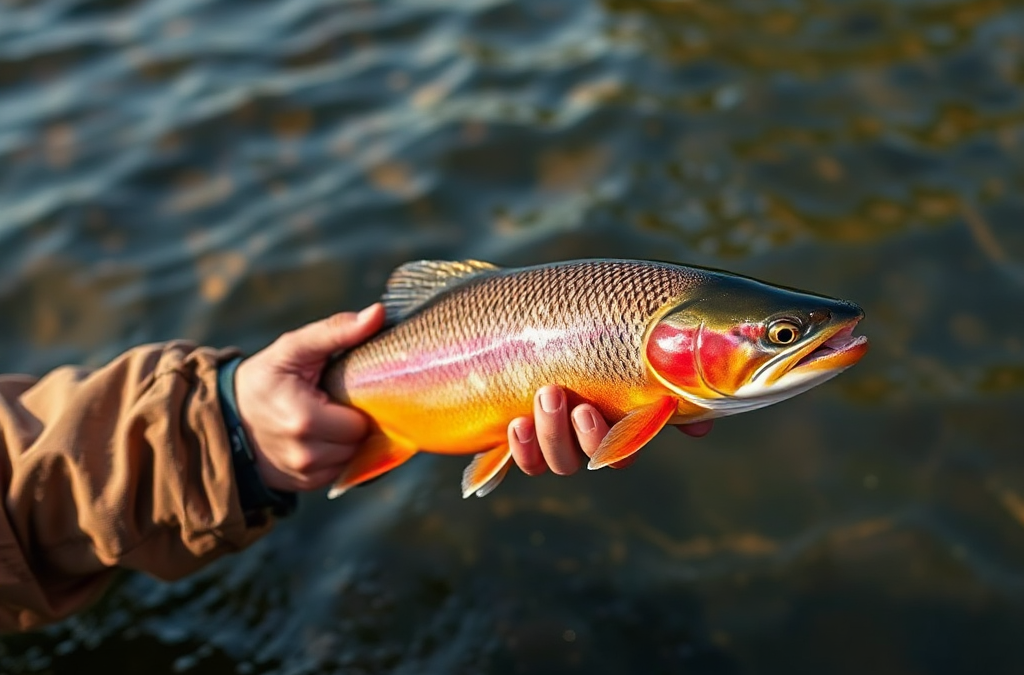
To fish effectively during seasonal transitions, adapt your techniques and gear to match the changing water conditions and fish behavior. Focus on understanding temperature impacts on fish metabolism, which influences their feeding patterns. Employ seasonal bait choices and adjust your fishing locations based on the migration of species. Additionally, remain flexible with your approach, as conditions can change rapidly during these times.
Understanding Seasonal Transitions
Seasonal transitions, such as spring to summer or summer to fall, significantly influence fish behavior, water temperature, and food availability. As temperatures fluctuate, fish become more or less active, which directly affects their feeding habits. Understanding these transitions helps anglers predict where fish will be located and how they will behave, ultimately leading to more successful fishing expeditions. For instance, during spring, fish often move to shallower waters as they prepare to spawn, while in the fall, they may seek deeper waters as temperatures drop.

One common mistake anglers make is failing to recognize the signs of seasonal change, which can lead to ineffective fishing strategies. By monitoring water temperatures and weather patterns, you can better anticipate how fish will react to these changes. For example, as the water warms, fish metabolism increases, prompting them to feed more aggressively. Therefore, adjusting your fishing times to coincide with these metabolic shifts can enhance your success rate.
Techniques for Adjusting Fishing Methods
Adapting your fishing methods during seasonal transitions is crucial for success. Different seasons require different approaches due to changes in fish behavior and habitat. For instance, during warmer months, fish tend to be more active in the early morning and late evening, while in cooler months, they may be more active during midday. Adjusting your fishing times to align with these patterns can improve your chances of landing a catch.
Moreover, varying your retrieval speed and techniques can help attract fish during these transitions. For example, in spring, using a slow retrieve can mimic the movements of spawning baitfish, while in summer, a faster retrieve may trigger aggressive strikes from predatory fish. Experimenting with different techniques, such as topwater lures or deep-diving crankbaits, can yield better results as fish respond differently based on water temperature and light levels.
Choosing the Right Gear
Your choice of fishing gear can greatly impact your success during seasonal transitions. Lighter tackle may be more effective in warmer months when fish are more active, while heavier gear may be necessary during colder months or when targeting larger species. Additionally, consider the type of line you are using; fluorocarbon lines are less visible underwater and can be beneficial in clear water conditions often found in spring and summer.
It’s also important to match your gear to the species you are targeting. For example, if you’re fishing for bass during the transition from summer to fall, using a medium-heavy rod with a fast action tip can help in setting the hook quickly as these fish tend to strike aggressively. Having a selection of rods and reels suited for different conditions and species can provide you with the versatility needed to adapt your fishing approach as seasons change.
Bait Selection for Seasonal Changes
Bait selection is another critical factor when fishing during seasonal transitions. As water temperatures change, so does the availability of natural forage, which influences fish feeding habits. During spring, for instance, fish are often attracted to spawning patterns, making jigs and soft plastics effective choices. In contrast, during the fall, when fish are preparing for winter, larger bait imitations may be necessary to entice them.
Understanding what fish are feeding on during specific seasons can significantly improve your catch rate. Experimenting with different types of baits, such as crankbaits, spinnerbaits, or live bait, can help you determine what works best in varying conditions. Always be prepared to switch baits if you notice a lack of activity, as fish can be quite particular about their food preferences during transitional periods.
Frequently Asked Questions
What are the best times to fish during seasonal transitions?
The best times to fish are typically early morning and late evening during warmer months, while midday can be more productive in cooler months.
How do water temperatures affect fish behavior?
Water temperatures influence fish metabolism and activity levels, with warmer temperatures generally increasing feeding activity.
What type of bait should I use in spring?
In spring, consider using jigs or soft plastics that mimic spawning baitfish to attract fish.
How can I tell if fish are active in a specific area?
Look for signs such as surface activity, jumping fish, or baitfish schools to indicate active fish in the area.
What should I do if I’m not catching anything?
If you're not catching fish, consider changing your bait or technique, or moving to a different location where conditions may be more favorable.
Further Reading
Authoritative Sources
Authoritative Sources
- NOAA Fisheries
fisheries.noaa.govA reliable source for understanding fish behavior and seasonal patterns from a scientific perspective
- California Department of Fish and Wildlife
wildlife.ca.govProvides insights on seasonal fishing regulations and species behavior in California waters
- Bass Resource
bassresource.comOffers articles and tips on bass fishing techniques and seasonal transitions
Conclusion
Fishing during seasonal transitions requires a strategic approach that considers changing water conditions, fish behavior, and the right gear. By understanding how temperature affects fish metabolism and adjusting your techniques and bait accordingly, you can significantly improve your chances of success. Stay adaptable and be willing to experiment with different methods to find what works best for the current conditions. This proactive approach will not only enhance your fishing experience but also lead to more successful outings.

