
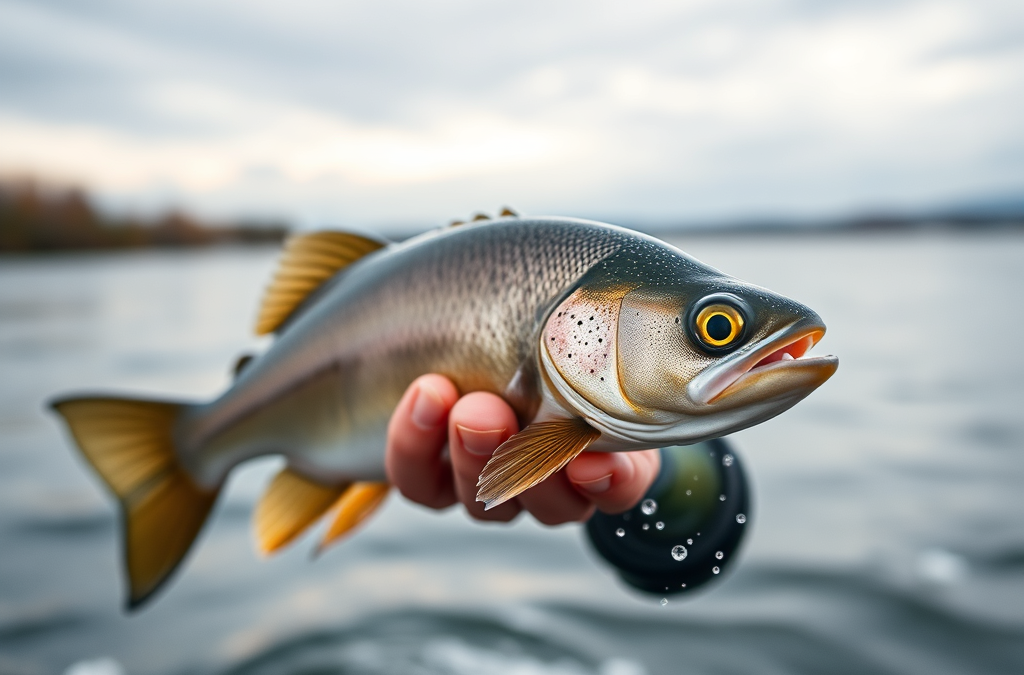
To fish during cold fronts effectively, focus on deeper waters and use slower-moving baits. Cold fronts cause fish to become lethargic, so targeting areas where they seek shelter, such as near structures or drop-offs, can yield better results. Using natural bait like minnows or jigs can also increase your chances of a successful catch, as fish are less likely to chase fast-moving lures in colder conditions.
Understanding Cold Fronts and Their Impact on Fishing
Cold fronts are significant weather changes that can dramatically affect fish behavior. As temperatures drop, fish become less active and often retreat to deeper waters or areas with more cover. Understanding how these fronts operate is crucial for anglers looking to maintain their catch rates.

During a cold front, the barometric pressure rises, which can cause fish to become more cautious. They tend to seek shelter near structures like rocks, submerged logs, or weed beds. Recognizing these behavioral shifts allows anglers to adjust their strategies effectively.
One common mistake is assuming that fish will still be in their usual feeding patterns. Instead, anglers should adapt by fishing slower and concentrating efforts in specific locations where fish feel secure. This adaptation is vital in maximizing catch rates during challenging conditions.
Effective Bait and Lure Choices for Cold Fronts
When fishing during cold fronts, bait selection is critical. Fish tend to be less aggressive, so using slower-moving baits can be more effective. Natural baits such as minnows or worms are often preferable, as they mimic the behavior of prey in colder conditions.
Jigs are another excellent choice due to their versatility. A slow jigging technique can entice fish that are reluctant to chase faster lures. Soft plastics can also work well, especially when fished near the bottom where fish are likely to be hiding.
Common mistakes include using fast-moving lures or bright colors that may not be as appealing during a cold front. Instead, opt for more natural colors and subtle presentations. This approach aligns with the fish’s lowered activity levels and increases the likelihood of a successful catch.
Timing Your Fishing During Cold Fronts
Timing is essential when fishing during cold fronts. Early morning and late afternoon are often the best times to fish, as the temperatures are slightly warmer and fish may be more active. Midday can be challenging, as fish typically retreat to deeper waters.
It’s also important to consider the duration of the cold front. If the front passes quickly, fish may return to their usual feeding patterns sooner than expected. Observing weather patterns and water temperatures can provide insights into when fish might be more likely to bite.
Another key aspect to timing is understanding the moon phases and how they influence fish behavior. Fish tend to feed more actively during certain lunar phases, which can help you plan your fishing trips during cold fronts more effectively.
Tips for Locating Fish in Cold Front Conditions
To locate fish during cold fronts, focus on specific areas that provide shelter and warmth. Deeper waters, around 10 to 20 feet, often serve as refuge. Look for ledges, drop-offs, and underwater structures where fish can hide from the cold.
Using fish finders can be helpful in identifying these locations. They allow you to see where fish are congregating and adjust your fishing strategy accordingly. Additionally, scouting for signs of fish activity, such as surface disturbances or baitfish schools, can provide valuable clues.

A common mistake is fishing in shallow waters where fish are less likely to be present during cold fronts. Instead, prioritize deeper areas and be patient. Fish may take longer to bite in these conditions, but persistence can pay off.
Frequently Asked Questions
What is the best bait to use during a cold front?
Natural baits like minnows or worms are ideal, as they mimic the behavior of prey in colder waters.
How does a cold front affect fish behavior?
Cold fronts typically cause fish to become lethargic, leading them to seek deeper waters or cover, which can make them harder to catch.
What time of day is best for fishing during a cold front?
Early morning and late afternoon are often the most productive times, as fish may be more active during these periods.
What should I avoid when fishing in cold front conditions?
Avoid using fast-moving lures or bright colors; instead, opt for slower, more natural presentations.
How can I locate fish during cold fronts?
Focus on deeper waters and structures like ledges or drop-offs, where fish seek shelter from cold temperatures.
Further Reading
Authoritative Sources
- Library of Congress Research Guides
guides.loc.govResearch guides that help readers locate reliable background sources on a wide range of subjects
- USA.gov Official Information and Services
usa.govOfficial U.S. government information and public resources for practical reference
- Google Scholar
scholar.google.comAcademic search resource for finding research literature and source material
Conclusion
Fishing during cold fronts requires adaptation and understanding of fish behavior. By selecting the right bait, timing your trips effectively, and knowing where to locate fish, you can improve your chances of a successful outing. Remember to be patient and adjust your strategies based on the conditions you encounter. With these tips, you’ll be better prepared to fish during challenging weather and make the most of your time on the water.

