
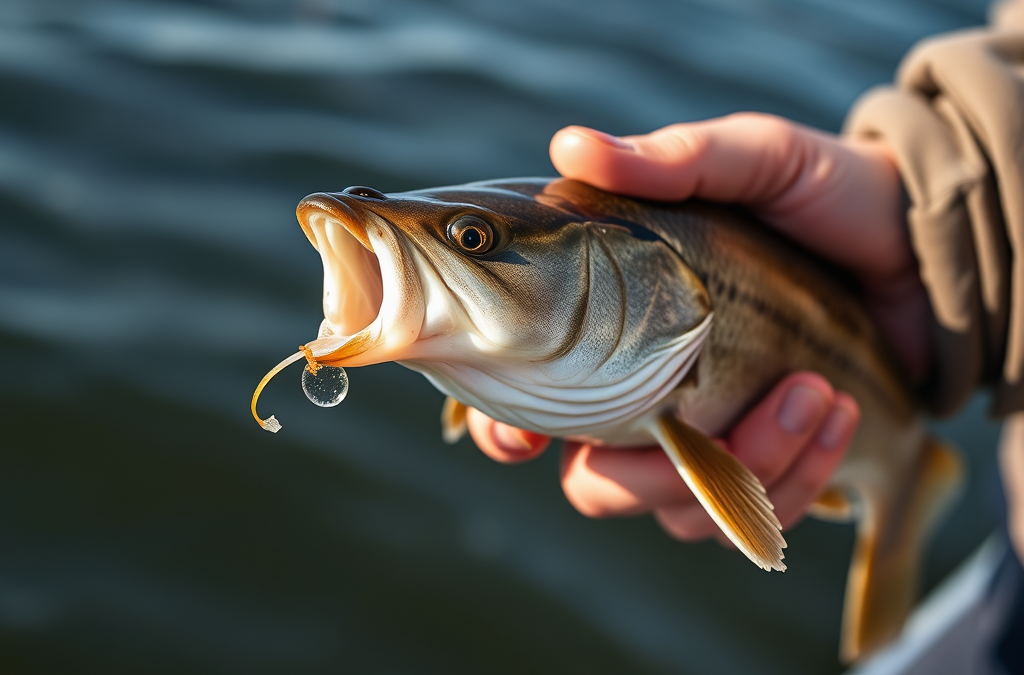
To effectively use live bait for catfish, choose species like shad or bluegill, ensure they are lively and healthy, and use appropriate rigging techniques. Catfish are attracted to movement and scent, so using lively bait enhances your chances of a successful catch. Proper placement and depth can also significantly impact your results, as catfish often dwell in specific areas based on water temperature and structure.
Choosing the Right Live Bait for Catfish
Selecting the right live bait is crucial for catfishing success. Common choices include shad, bluegill, and minnows. Each species has unique qualities that attract catfish, with shad being particularly effective due to its scent and movement. The key is to ensure that the bait is lively and healthy, as sluggish or dead bait will not attract catfish effectively.

Consider the local catfish species and their preferences. For instance, flathead catfish often prefer larger live bait like bluegill, while channel catfish may respond well to smaller minnows. Understanding the dietary habits of catfish in your fishing area can guide your bait selection. Additionally, ensure that the bait is legal to use in your fishing location, as regulations may vary.
Choosing the Right Live Bait for Catfish matters because it turns effectively use live bait for catfish from a broad idea into a decision the reader can actually apply. The practical difference usually shows up in the details: how much is needed, when the choice is made, what tradeoff is acceptable, and what sign shows the approach is working. For nutrition topics, the strongest advice connects portion size, food quality, timing, and recovery instead of treating every meal as a fixed serving.
A useful way to handle this section is to compare the normal baseline with the situation that creates extra demand. If bait is the baseline concern, then catfish becomes the adjustment point and live becomes the outcome to watch. That keeps the advice specific without forcing the reader into a rigid formula that may not fit their routine, budget, tolerance, schedule, or current level of experience.
The most common mistake is changing too many variables at once. A better approach is to choose one measurable adjustment, use it consistently long enough to see a pattern, and then refine the next step based on energy, comfort, performance, safety, or reliability. This makes the guidance easier to trust because the reader can connect the recommendation to what they observe rather than guessing from a generic checklist.
The practical takeaway is to make the section actionable: identify the main constraint, choose the smallest useful change, and compare the result against the goal. When the outcome improves, the reader can keep the approach. When it does not, the next change should target the most likely bottleneck rather than repeating the same step with more effort.
Rigging Techniques for Live Bait
Effective rigging is essential when using live bait for catfish. One popular method is the slip sinker rig, which allows the bait to move freely while providing a natural presentation. Start by threading a slip sinker onto your main line, followed by a bead to protect the knot. Then, attach a swivel and a leader line with a hook at the end.
When hooking your live bait, aim for the most secure position. For minnows, hook through the upper lip or back, while for larger bait like bluegill, hook through the back or dorsal fin. This positioning keeps the bait alive longer and allows it to swim naturally, increasing its attractiveness to catfish. Ensure that your line is strong enough to handle the weight of both the bait and the catfish you aim to catch.
Rigging Techniques for Live Bait matters because it turns effectively use live bait for catfish from a broad idea into a decision the reader can actually apply. The practical difference usually shows up in the details: how much is needed, when the choice is made, what tradeoff is acceptable, and what sign shows the approach is working. For technology topics, the strongest advice connects the user goal, system constraint, maintenance burden, and measurable outcome.
A useful way to handle this section is to compare the normal baseline with the situation that creates extra demand. If bait is the baseline concern, then live becomes the adjustment point and catfish becomes the outcome to watch. That keeps the advice specific without forcing the reader into a rigid formula that may not fit their routine, budget, tolerance, schedule, or current level of experience.
The most common mistake is changing too many variables at once. A better approach is to choose one measurable adjustment, use it consistently long enough to see a pattern, and then refine the next step based on energy, comfort, performance, safety, or reliability. This makes the guidance easier to trust because the reader can connect the recommendation to what they observe rather than guessing from a generic checklist.
The practical takeaway is to make the section actionable: identify the main constraint, choose the smallest useful change, and compare the result against the goal. When the outcome improves, the reader can keep the approach. When it does not, the next change should target the most likely bottleneck rather than repeating the same step with more effort.
Best Practices for Using Live Bait
To maximize your chances of catching catfish with live bait, consider the following best practices. First, pay attention to the time of day; catfish are often more active during dawn and dusk. Position your bait near structures such as rocks, fallen trees, or deep holes where catfish tend to hide.
Monitor water temperature and adjust your bait depth accordingly. Catfish prefer warmer waters, so fishing in slightly deeper areas during colder months can yield better results. Additionally, be patient and avoid frequently reeling in your line; allow the catfish to take the bait fully before setting the hook.
Best Practices for Using Live Bait matters because it turns effectively use live bait for catfish from a broad idea into a decision the reader can actually apply. The practical difference usually shows up in the details: how much is needed, when the choice is made, what tradeoff is acceptable, and what sign shows the approach is working. For technology topics, the strongest advice connects the user goal, system constraint, maintenance burden, and measurable outcome.
A useful way to handle this section is to compare the normal baseline with the situation that creates extra demand. If bait is the baseline concern, then catfish becomes the adjustment point and live becomes the outcome to watch. That keeps the advice specific without forcing the reader into a rigid formula that may not fit their routine, budget, tolerance, schedule, or current level of experience.
Common Mistakes to Avoid
Avoiding common pitfalls can significantly enhance your catfishing experience. One frequent mistake is using bait that is too large for the catfish species you are targeting. This can deter catfish from biting, as they may find it too challenging to consume. Additionally, failing to check your bait regularly can lead to missed opportunities; keep an eye on your bait’s condition to ensure it remains lively.
Another mistake is not adjusting your rigging based on the current conditions. Factors like water flow, temperature, and time of day can affect catfish behavior, so be flexible in your approach. Lastly, ensure that you are familiar with local regulations regarding live bait usage, as violating these rules can result in fines or penalties.
Common Mistakes to Avoid matters because it turns effectively use live bait for catfish from a broad idea into a decision the reader can actually prevent. The practical difference usually shows up in the details: how much is needed, when the choice is made, what tradeoff is acceptable, and what sign shows the approach is working. For technology topics, the strongest advice connects the user goal, system constraint, maintenance burden, and measurable outcome.
A useful way to handle this section is to compare the normal baseline with the situation that creates extra demand. If bait is the baseline concern, then catfish becomes the adjustment point and live becomes the outcome to watch. That keeps the advice specific without forcing the reader into a rigid formula that may not fit their routine, budget, tolerance, schedule, or current level of experience.
The most common mistake is changing too many variables at once. A better approach is to choose one measurable adjustment, use it consistently long enough to see a pattern, and then refine the next step based on energy, comfort, performance, safety, or reliability. This makes the guidance easier to trust because the reader can connect the recommendation to what they observe rather than guessing from a generic checklist.
Frequently Asked Questions
What is the best live bait for catfish?
Shad and bluegill are among the best live baits for catfish due to their scent and movement, which attract catfish effectively.
How do I keep my live bait alive longer?
Store live bait in a well-oxygenated container with water at an appropriate temperature and avoid overcrowding to keep them healthy.
When is the best time to fish for catfish?
The best times to fish for catfish are during dawn and dusk when they are most active, especially in warmer months.
What is the ideal depth for catfishing?
Catfish prefer depths of 5 to 15 feet during warmer months, but they may go deeper in colder weather. Adjust your bait depth accordingly.
Can I use any type of fish as live bait?
No, make sure the fish you use as live bait is legal in your area, and consider the preferences of the catfish species you are targeting.
Further Reading
Authoritative Sources
- Academy of Nutrition and Dietetics
eatright.orgProfessional nutrition guidance, healthy eating resources, and practical dietitian-reviewed advice.
- U.S. Department of Agriculture
usda.govOfficial food, nutrition, agriculture, and consumer guidance from the USDA.
- NIH Office of Dietary Supplements
ods.od.nih.govResearch-based fact sheets on nutrients, supplements, dietary intake, and safety considerations.
- International Society of Sports Nutrition
sportsnutritionsociety.orgEvidence-informed sports nutrition resources and position stands for active people and athletes.

