
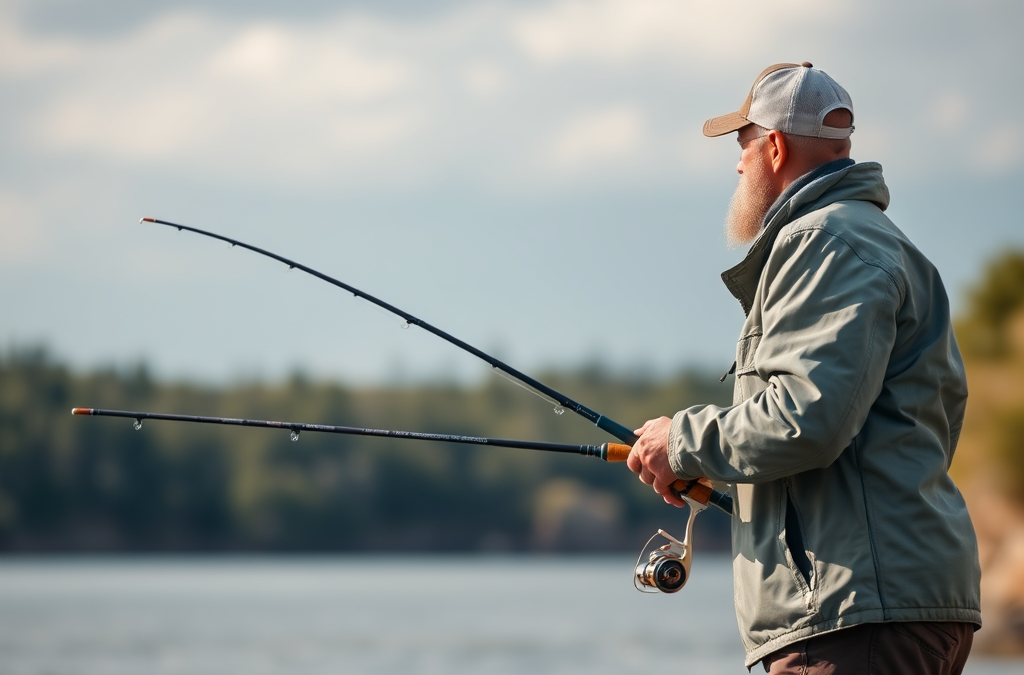
Choosing the right fishing rod for your style involves assessing your fishing environment, target species, and personal preferences. Key factors include rod length, action, and power, which affect casting distance and sensitivity. For instance, shorter rods are better for close-quarters fishing, while longer rods excel in open waters. Understanding these elements helps ensure a successful fishing experience tailored to your unique style.
Understanding Rod Types and Their Uses
Fishing rods come in various types, each designed for specific styles and techniques. The primary categories include spinning rods, casting rods, fly rods, and ice rods. Each rod type features unique characteristics that cater to different fishing environments and techniques. For example, spinning rods are versatile and user-friendly, making them ideal for beginners, while fly rods are specialized for casting lightweight flies in freshwater environments.

When selecting a rod, consider your preferred fishing method. Spinning rods are great for baitcasting and general-purpose fishing, while casting rods are designed for precision in lure presentation. Fly rods require a different approach, focusing on the delicate presentation of flies, and ice rods are tailored for winter fishing conditions. Understanding the differences between these rod types will help you choose one that aligns with your fishing style.
Key Specifications: Length, Action, and Power
Three critical specifications to consider when choosing a fishing rod are length, action, and power. The length of the rod affects casting distance and control. Generally, longer rods provide greater casting distance, making them suitable for open waters, while shorter rods offer better control in tight spaces. A common mistake is selecting a rod length without considering the fishing environment.
Action refers to how much the rod bends when pressure is applied. Fast action rods bend near the tip, providing quick sensitivity and responsiveness, ideal for techniques requiring rapid hook sets. Moderate action rods bend further down the blank, offering a balance between sensitivity and flexibility, suitable for various fishing styles. Slow action rods bend throughout their length, providing a more forgiving feel, which is beneficial for lighter lures or bait.
Power indicates the rod’s strength and its ability to handle different fish sizes. Light power rods are suitable for smaller fish, while medium to heavy power rods are designed for larger species. Matching the rod’s power with the species you aim to catch is essential for effective fishing.
Matching Your Rod to Target Species
Different fish species require specific rod characteristics for effective fishing. For instance, if you are targeting bass, a medium-heavy spinning or casting rod with fast action is ideal for quick hook sets. In contrast, panfish may require a light or ultralight rod to provide the sensitivity needed to detect subtle bites.
When targeting species like trout, a medium-action rod allows for better control and presentation of bait or lures. Conversely, if you’re fishing for larger species such as pike or musky, a heavy power rod with a fast action is necessary to handle the weight and fight of these fish. Understanding the behavior and habitat of your target species will guide you in selecting a rod that enhances your chances of success.
Common Mistakes When Choosing a Rod
Many anglers make common mistakes when selecting a fishing rod, which can lead to frustration and poor fishing experiences. One frequent error is overestimating the power needed for a rod. Anglers may choose heavy rods for smaller fish, resulting in decreased sensitivity and an inability to detect bites.
Another mistake is ignoring the balance between rod length and fishing environment. A long rod may seem appealing for casting distance, but in dense cover or small streams, it can be cumbersome and difficult to maneuver. Additionally, many anglers overlook the importance of rod material. Graphite rods offer sensitivity and lightweight performance, while fiberglass rods provide durability and flexibility but may lack sensitivity.
Lastly, failing to test the rod before purchasing can lead to dissatisfaction. It’s beneficial to hold the rod and simulate casting to ensure it feels comfortable and suits your style. Avoiding these common pitfalls will enhance your fishing experience and improve your success rate.

For those seeking additional information on fishing rods and techniques, consider exploring reputable sources such as fishing gear manufacturers, local fishing clubs, and online fishing communities. These resources often provide valuable insights and recommendations tailored to specific fishing styles and environments.
Frequently Asked Questions
What is the best rod length for beginners?
A 6 to 7-foot rod is often ideal for beginners, offering versatility for various fishing techniques.
How do I know which rod action to choose?
Choose fast action rods for quick hook sets and slow action rods for more forgiving presentations, depending on your target species.
Can I use one rod for all types of fishing?
While a versatile rod can work for multiple styles, specialized rods enhance performance for specific fishing techniques.
What materials are best for fishing rods?
Graphite rods offer sensitivity and lightweight performance, while fiberglass rods are durable but less sensitive.
Is it important to test a fishing rod before buying?
Yes, testing a rod helps ensure it feels comfortable and suits your fishing style, preventing dissatisfaction post-purchase.
Further Reading
Authoritative Sources
- Library of Congress Research Guides
guides.loc.govResearch guides that help readers locate reliable background sources on a wide range of subjects
- USA.gov Official Information and Services
usa.govOfficial U.S. government information and public resources for practical reference
- Google Scholar
scholar.google.comAcademic search resource for finding research literature and source material
Conclusion
Choosing the right fishing rod for your style is crucial for maximizing your fishing success. By understanding the types of rods, key specifications, and matching your rod to target species, you can significantly improve your fishing experience. Avoiding common mistakes and ensuring the right fit will help you select a rod that not only enhances your technique but also aligns with your personal preferences. Take the time to research and test different rods to find the perfect match for your fishing adventures.

