
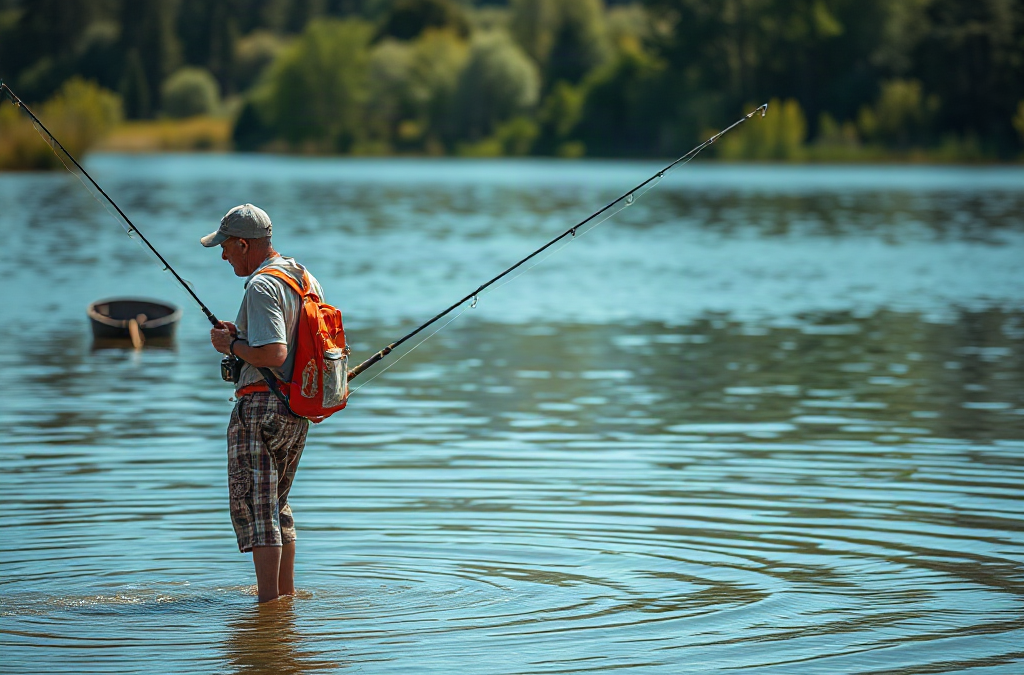
Avoid common pitfalls when fishing with kids by planning a short, flexible outing around comfort, supervision, simple gear, and realistic expectations. Choose an accessible spot with shade and nearby facilities, check local rules and weather, and pack water, sun protection, snacks, life jackets when needed, and basic first-aid supplies. Use a simple rod and an easy bait or lure so children can participate without constant tangles. Hunger, heat, boredom, sharp hooks, and pressure to catch fish are the main causes of difficult trips, so schedule breaks and treat casting, observing wildlife, and learning safe handling as successes. Stop early if conditions become unsafe or frustration outweighs enjoyment.
Plan the Outing Around Children’s Limits
A successful family fishing trip is built around the child’s attention span, comfort, and ability to follow safety instructions rather than an adult’s preferred fishing schedule. Young anglers often tire from heat, unfamiliar surroundings, and repeated waiting long before an experienced adult would consider leaving. A two-hour outing with movement, snacks, and a clear stopping point may work better than an ambitious full-day trip.

Pick a time when the child is normally rested and fed. Early morning can offer cooler temperatures and active fish, but it may be a poor choice for a child who struggles with an early start. Late afternoon may be more comfortable, although fading light, insects, and changing weather can create additional complications. The better option is the period that matches the child’s routine and leaves enough daylight for packing up calmly.
Set expectations before leaving home. Explain that fishing includes casting, watching the line, exploring the shoreline, and sometimes going home without a catch. Promising a fish creates pressure that neither the angler nor the adult can control. A child who catches nothing may still have had a worthwhile outing if they learned to cast, identified a bird, or helped release a small fish.
Use a simple pre-trip plan:
- Check the forecast, access conditions, and opening hours if the site is managed.
- Choose a first outing with a short walk, shade, seating, and a nearby restroom when possible.
- Pack water, easy-to-eat food, sun protection, insect repellent, spare clothing, and hand-cleaning supplies.
- Tell another adult where you will be and how long you expect to stay.
A common mistake is treating preparation as an adult-only task. Let the child select a snack, help organize a small tackle box, or choose between two safe clothing options. Participation creates ownership, while limiting the choices prevents the packing process from becoming unmanageable. The goal is not to remove every inconvenience; it is to prevent predictable discomfort from becoming the entire experience.
Choose Safe Locations and Manage Equipment
Location choice usually matters more than species choice on a child’s first fishing trip. A calm pond with level ground may be a better learning environment than a productive riverbank with slippery rocks, strong current, or dense brush. A boat can provide access to excellent water, but it adds movement, limited space, propeller hazards, and a greater need for continuous supervision. Match the setting to the child’s age, swimming ability, and reliability around boundaries.
Walk the area before setting up. Look for steep edges, unstable banks, exposed roots, dense vegetation, deep water close to shore, and places where a dropped hook could be difficult to retrieve safely. Keep tackle away from walking paths, and establish a casting direction that points toward open water rather than people. On a boat or dock, a properly fitted life jacket should be used according to the activity and local safety guidance; ordinary flotation toys are not substitutes.
Children generally do better with equipment that is light, uncomplicated, and forgiving. A short spinning rod with a simple bobber setup allows a child to see movement and understand what the line is doing. Avoid handing over a complicated baitcaster or a large adult rod simply because it is available. Heavy gear increases fatigue and makes uncontrolled casts more likely. Barbless hooks or hooks with the barb flattened may simplify release and reduce the difficulty of handling a snag, though the hook remains sharp.
Prepare the rig before arriving. Tie the knot, adjust the bobber, and test the drag at home so the child’s first minutes are spent doing something recognizable rather than watching an adult troubleshoot. Bring one spare rig, not an entire collection of options. Too much gear creates clutter and invites repeated changes before the child has learned what the current setup does.
Adults often focus on catching ability and overlook casting space. Give the child a marked area for practice, then have everyone stand still during the cast. Never rely on a verbal warning shouted after a hook is already moving. Demonstrate the motion slowly, check behind the child, and pause the activity whenever another person enters the casting zone. That small routine prevents the common failure mode of correcting unsafe movement only after it has become urgent.
Prevent Boredom, Hunger, and Frustration
Waiting is part of fishing, but children need a meaningful role during the waiting. Assign jobs that change naturally: watching the bobber, counting casts, identifying shoreline plants, measuring a fish, or checking whether the bait is still attached with adult help. These tasks give attention a direction without pretending that every minute will produce action.
Food and water should be treated as part of the fishing plan, not as emergency supplies. Heat, thirst, and low blood sugar can look like disinterest or defiance. Pack familiar foods that can be eaten without touching bait or tackle, and create a hand-cleaning routine before snacks. Keep food in a shaded, accessible place so the child does not need to wander near the water each time they want a drink.
Build in breaks before the child asks for one. A short walk, a shoreline observation period, or a few minutes sitting away from the rods can reset attention. Some families bring a non-fishing activity, such as a nature journal or binoculars, but the backup should complement the outing rather than turn the trip into a competition between screens and fishing. A child who spends ten minutes looking for insects may return to the rod with renewed interest.
Frustration usually comes from a mismatch between the task and the child’s current coordination. Repeated tangles can make a child feel incapable, while an adult who takes over every cast removes the chance to improve. Use a progression: let the child hold the rod, practice releasing the line, cast from a short distance, and then attempt a normal cast when the movement is controlled. If the rig tangles, explain one cause and fix it without blaming the child.
A productive approach is to decide in advance what counts as a good session. For one child, success may mean five safe casts. For another, it may mean holding a fish briefly with support or staying interested through one complete bait change. Do not compare siblings by catch count. Different ages, patience levels, and motor skills make that comparison misleading and can turn a shared outing into a contest that only one child can win.
Teach Hook Safety and Respect for the Water
Hook safety requires active adult control, especially when children are learning to cast. A hook can remain dangerous even when it is covered with bait, stuck in a fish, or lying on the ground. Keep hooks in a closed container when they are not in use, and do not allow a child to walk while holding a loose lure. Sunglasses can provide useful eye protection during casting, but they do not replace spacing and supervision.
Teach a few rules in plain language before the first cast: stop when an adult says stop, look behind before casting, carry a rod with the tip pointed forward or upward, and ask for help with hooks, snags, and fish. Practice the stop command away from the water. A child who understands that stopping is a safety action—not a punishment—is more likely to respond quickly when a real hazard appears.
Fish handling deserves the same care. Wet hands may help protect a fish’s outer coating, and keeping the fish close to the water reduces the damage caused by a fall. Adults should remove hooks when the child is too young or uncertain to do so safely. Some species have sharp teeth, spines, or gill structures, so identification should come before handling. If the fish is deeply hooked or the release cannot be completed safely, follow local guidance or seek assistance rather than forcing the hook out.

Respect for the site is also practical safety instruction. Keep children away from discarded line, broken glass, and unknown containers. Dispose of line properly because it can entangle wildlife. Explain that fish should not be kept unless the family knows the local size, season, possession, and species rules. Regulations vary by location, and checking the relevant state or local fish and wildlife agency before departure is more reliable than assuming a familiar rule applies everywhere.
The frequent mistake is giving a long lecture once and then assuming the lesson is complete. Children need brief reminders at the moment of action. A calm pause before each cast is more effective than repeated warnings delivered after unsafe behavior. Adults should position themselves where they can reach the child quickly, while remembering that supervision cannot be delegated to a life jacket, older sibling, or flotation device.
Know When to Adapt or End the Trip
Flexibility prevents a difficult outing from becoming a negative memory. Watch for signs that the plan is failing: the child repeatedly leaves the supervised area, stops responding to safety instructions, becomes unusually irritable, shivers, appears overheated, or handles equipment carelessly. Those signals matter more than the number of fish being caught. Continuing because the bite has supposedly improved can increase risk when the child is no longer able to participate safely.
Change one variable at a time. Move into shade, offer water and food, switch from casting to observing, or take a short break away from the shoreline. If the child is bored because the bobber has not moved, try a brief casting practice session rather than changing lures repeatedly. If tangles are the issue, use the spare prepared rig and postpone equipment experimentation. A clear adjustment helps identify whether the problem is fatigue, difficulty, or lack of interest.
Have an exit plan before the outing begins. Pack gear so it can be collected quickly, keep keys and phones accessible, and avoid setting up in a place where leaving requires crossing a hazardous bank. On a boat, know how the child will remain seated or positioned while the adult handles the motor, landing net, or anchor. Good planning reduces the temptation to rush during a change in weather or a sudden safety concern.
Short trips often produce better long-term results than forcing a child to stay until an adult is satisfied. End on a positive, specific action: “We stopped when the wind picked up and released the fish carefully,” or “You followed the casting rule every time.” That reinforces judgment rather than luck. The next outing can then be slightly longer, involve a new task, or use a different location only if the earlier conditions were comfortable and controlled.
For more ideas tailored to family outings, use this how to avoid common pitfalls when fishing with kids resource as a planning reference, not as a substitute for checking the actual site and weather.
Before leaving, consult the official fish and wildlife agency for the destination’s license, species, size, season, and access requirements. Water-safety information from recognized boating or public-safety organizations can also help families match flotation equipment and supervision practices to the setting.
Frequently Asked Questions
What is the best age to take a child fishing?
There is no single best age. Choose an outing that matches the child’s ability to follow safety instructions, tolerate waiting, and stay within reach of the supervising adult.
How long should a first fishing trip with kids last?
A short outing of roughly one to three hours is often easier to manage than a full day. End sooner if heat, hunger, fatigue, or frustration begins to affect safe behavior.
What fishing gear is easiest for children to use?
A light, short spinning rod with a simple bobber rig is usually easier to control than heavy or highly technical equipment. Prepare the rig before arriving and carry one spare.
How can adults keep children safe around hooks?
Set a casting direction, check behind the child before every cast, keep unused hooks contained, and require children to stop and ask for help with snags, lures, and fish.
What should families do if the child loses interest?
Offer a break, food, water, or a nearby nature activity. If attention and safety do not improve, pack up without treating the early finish as a failure.
Further Reading
Authoritative Sources
- Academy of Nutrition and Dietetics
eatright.orgProfessional nutrition guidance, healthy eating resources, and practical dietitian-reviewed advice.
- U.S. Department of Agriculture
usda.govOfficial food, nutrition, agriculture, and consumer guidance from the USDA.
- NIH Office of Dietary Supplements
ods.od.nih.govResearch-based fact sheets on nutrients, supplements, dietary intake, and safety considerations.
- International Society of Sports Nutrition
sportsnutritionsociety.orgEvidence-informed sports nutrition resources and position stands for active people and athletes.
Conclusion
Family fishing works best when the outing is designed for the child who is actually present, not the experienced angler adults hope to create immediately. Select manageable water, prepare simple equipment, establish casting and hook rules, and bring enough food, water, clothing, and first-aid supplies to handle ordinary discomfort. Give children active jobs and judge the day by safe participation, curiosity, and growing confidence rather than by the catch. Watch for heat, fatigue, frustration, and careless handling because those signs tell you when to change the plan or leave. Before the next trip, review what caused difficulty, keep the elements that held attention, and adjust only one challenge at a time. This approach makes each outing safer and gives young anglers a realistic path toward independence.

