
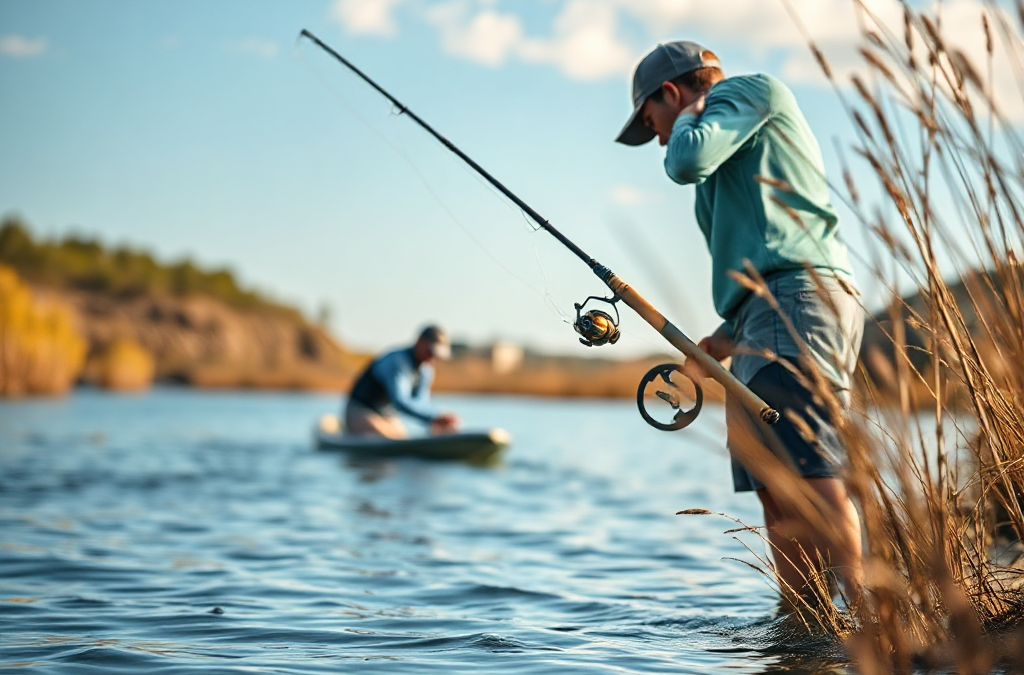
To adapt to different fishing environments, understand the unique characteristics of freshwater and saltwater ecosystems. Freshwater fishing often requires knowledge of local species, water temperature, and seasonal patterns, while saltwater fishing demands awareness of tides, currents, and marine life. Utilize specific gear and baits suitable for each environment, and adjust your techniques based on weather conditions and water clarity to improve your chances of success.
Understanding Freshwater Fishing
Freshwater fishing encompasses a variety of environments, including lakes, rivers, and ponds. Each of these habitats presents unique challenges and opportunities for anglers. For instance, lakes might host species like bass and trout, while rivers often have catfish or pike. Understanding the specific water body you are fishing in is crucial.

Factors such as water temperature, clarity, and vegetation play significant roles in determining fish behavior. Temperature affects fish metabolism and feeding habits, while clarity can influence the visibility of bait. For instance, in murky waters, using brighter lures can help attract fish. Moreover, the presence of vegetation can provide cover for fish, making it essential to know where to cast your line.
Seasonal patterns are also vital. During the spawning season, fish often move to shallow waters. Knowing these patterns can significantly enhance your fishing success. Additionally, local regulations may dictate specific methods or equipment, so always check for rules that apply to your chosen fishing spot.
Understanding Freshwater Fishing matters because it turns adapt to different fishing environments from a broad idea into a decision the reader can actually apply. The practical difference usually shows up in the details: how much is needed, when the choice is made, what tradeoff is acceptable, and what sign shows the approach is working. For technology topics, the strongest advice connects the user goal, system constraint, maintenance burden, and measurable outcome.
A useful way to handle this section is to compare the normal baseline with the situation that creates extra demand. If fishing is the baseline concern, then fish becomes the adjustment point and environments becomes the outcome to watch. That keeps the advice specific without forcing the reader into a rigid formula that may not fit their routine, budget, tolerance, schedule, or current level of experience.
The most common mistake is changing too many variables at once. A better approach is to choose one measurable adjustment, use it consistently long enough to see a pattern, and then refine the next step based on energy, comfort, performance, safety, or reliability. This makes the guidance easier to trust because the reader can connect the recommendation to what they observe rather than guessing from a generic checklist.
The practical takeaway is to make the section actionable: identify the main constraint, choose the smallest useful change, and compare the result against the goal. When the outcome improves, the reader can keep the approach. When it does not, the next change should target the most likely bottleneck rather than repeating the same step with more effort.
Navigating Saltwater Fishing
Saltwater fishing presents different challenges compared to freshwater environments. The dynamics of tides and currents play a crucial role in determining where and when to fish. High and low tides can affect fish movement, making certain areas more productive at specific times. Understanding these patterns is key to successful saltwater fishing.
Marine species such as snapper, grouper, and tuna require different approaches. For example, tuna often inhabit deeper waters, necessitating specialized gear and techniques like trolling or deep dropping. On the other hand, inshore species may require lighter tackle and specific bait, such as live shrimp or cut bait.
Weather conditions can also impact saltwater fishing. Wind can create waves that affect your ability to cast accurately, while overcast conditions may encourage fish to feed more actively. As such, monitoring the weather and adjusting your plans accordingly is essential for maximizing your fishing potential.
Navigating Saltwater Fishing matters because it turns adapt to different fishing environments from a broad idea into a decision the reader can actually apply. The practical difference usually shows up in the details: how much is needed, when the choice is made, what tradeoff is acceptable, and what sign shows the approach is working. For technology topics, the strongest advice connects the user goal, system constraint, maintenance burden, and measurable outcome.
A useful way to handle this section is to compare the normal baseline with the situation that creates extra demand. If fishing is the baseline concern, then saltwater becomes the adjustment point and different becomes the outcome to watch. That keeps the advice specific without forcing the reader into a rigid formula that may not fit their routine, budget, tolerance, schedule, or current level of experience.
The most common mistake is changing too many variables at once. A better approach is to choose one measurable adjustment, use it consistently long enough to see a pattern, and then refine the next step based on energy, comfort, performance, safety, or reliability. This makes the guidance easier to trust because the reader can connect the recommendation to what they observe rather than guessing from a generic checklist.
The practical takeaway is to make the section actionable: identify the main constraint, choose the smallest useful change, and compare the result against the goal. When the outcome improves, the reader can keep the approach. When it does not, the next change should target the most likely bottleneck rather than repeating the same step with more effort.
Adapting Techniques for Different Conditions
Adapting your fishing techniques to match the environment is crucial for success. In freshwater, using techniques like fly fishing, jigging, or casting can be effective depending on the species targeted. For instance, during warmer months, bass may be found near the surface, making topwater lures particularly effective.
In saltwater, techniques vary widely based on target species. For example, bottom fishing requires heavier weights and specialized rigs to reach the ocean floor, whereas surface fishing for species like tarpon may involve lighter tackle and live bait. Understanding the feeding habits of your target species helps in selecting the right technique.
Furthermore, being adaptable to changing conditions is vital. Fish behavior can shift due to factors like temperature changes or fishing pressure, so being prepared to change techniques or locations can make a significant difference in your success rate.
Adapting Techniques for Different Conditions matters because it turns adapt to different fishing environments from a broad idea into a decision the reader can actually apply. The practical difference usually shows up in the details: how much is needed, when the choice is made, what tradeoff is acceptable, and what sign shows the approach is working. For technology topics, the strongest advice connects the user goal, system constraint, maintenance burden, and measurable outcome.
A useful way to handle this section is to compare the normal baseline with the situation that creates extra demand. If fishing is the baseline concern, then techniques becomes the adjustment point and species becomes the outcome to watch. That keeps the advice specific without forcing the reader into a rigid formula that may not fit their routine, budget, tolerance, schedule, or current level of experience.
The most common mistake is changing too many variables at once. A better approach is to choose one measurable adjustment, use it consistently long enough to see a pattern, and then refine the next step based on energy, comfort, performance, safety, or reliability. This makes the guidance easier to trust because the reader can connect the recommendation to what they observe rather than guessing from a generic checklist.
Common Mistakes to Avoid
Many anglers encounter challenges when adapting to different fishing environments due to common mistakes. One frequent error is not adjusting bait or tackle to suit the specific water conditions. For instance, using freshwater tackle in saltwater can lead to gear failure, while using the wrong bait may result in poor catches.
Another mistake is failing to research local regulations and species behavior. Each fishing environment has its own rules regarding catch limits, bait restrictions, and seasonal closures. Ignoring these can lead to fines or unsuccessful fishing trips.

Lastly, overlooking the impact of weather and time of day can significantly affect your chances. Fish are more active during certain times, such as dawn and dusk, and adapting your fishing schedule accordingly can enhance your overall experience.
Common Mistakes to Avoid matters because it turns adapt to different fishing environments from a broad idea into a decision the reader can actually prevent. The practical difference usually shows up in the details: how much is needed, when the choice is made, what tradeoff is acceptable, and what sign shows the approach is working. For technology topics, the strongest advice connects the user goal, system constraint, maintenance burden, and measurable outcome.
A useful way to handle this section is to compare the normal baseline with the situation that creates extra demand. If fishing is the baseline concern, then different becomes the adjustment point and environments becomes the outcome to watch. That keeps the advice specific without forcing the reader into a rigid formula that may not fit their routine, budget, tolerance, schedule, or current level of experience.
The most common mistake is changing too many variables at once. A better approach is to choose one measurable adjustment, use it consistently long enough to see a pattern, and then refine the next step based on energy, comfort, performance, safety, or reliability. This makes the guidance easier to trust because the reader can connect the recommendation to what they observe rather than guessing from a generic checklist.
Frequently Asked Questions
What is the best time to fish in freshwater?
The best time to fish in freshwater is typically early morning or late afternoon when fish are most active due to cooler temperatures.
How do tides affect saltwater fishing?
Tides influence fish movement, with many species feeding more actively during rising tides or near the change of tides.
What type of bait works best in murky water?
Bright or noisy lures, as well as live bait like worms, can be effective in murky water where visibility is low.
How can weather conditions impact fishing success?
Weather conditions such as overcast skies can improve fishing success, as fish tend to feed more actively in these conditions.
What should I check before going fishing?
Before going fishing, check local regulations, weather forecasts, and the specific fishing conditions of your chosen spot.
Further Reading
Authoritative Sources
- Investor.gov
investor.govSEC investor education resources for evaluating financial products and risk.
- FINRA Investor Insights
finra.orgInvestor education, broker-check tools, and financial decision resources.
- Consumer Financial Protection Bureau
consumerfinance.govConsumer guidance on credit, debt, lending, and financial products.
- Internal Revenue Service
irs.govOfficial tax guidance, forms, and compliance information.

