
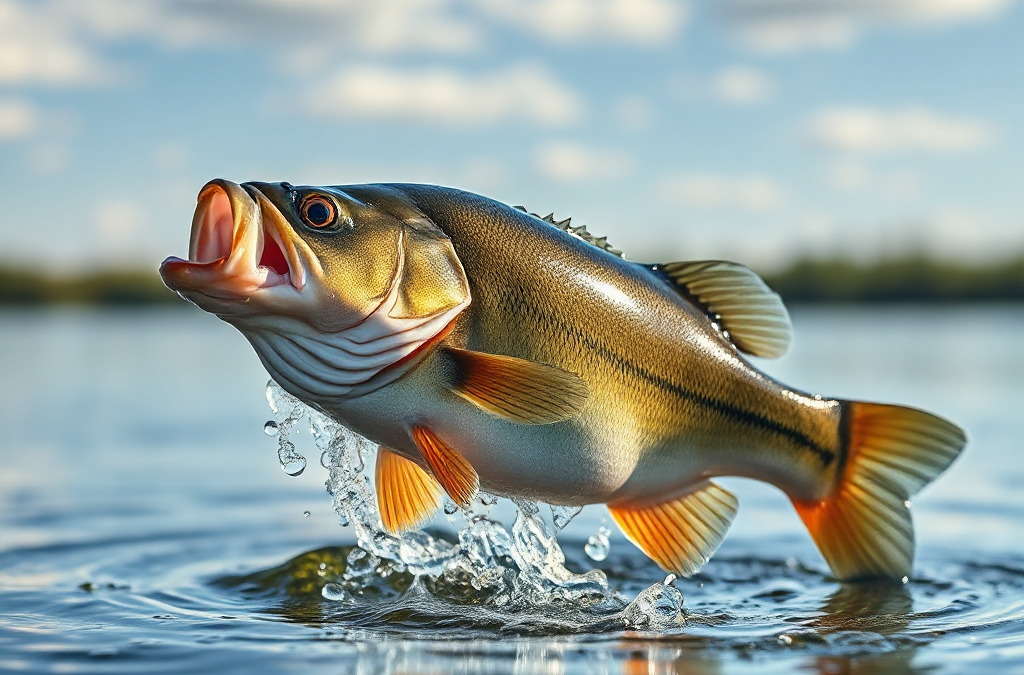
Unsuccessful bass fishing trips often stem from poor weather conditions, inappropriate bait choices, and a lack of understanding of local habitats. Weather can drastically influence bass activity; for instance, stable conditions typically encourage feeding, while sudden changes can deter them. Selecting the right bait is equally important, as different seasons and water conditions require specific types. Additionally, familiarizing yourself with the local environment and seasonal patterns can significantly enhance your chances of a successful catch.
Weather Conditions and Their Impact
Weather plays a significant role in the success of bass fishing trips. Factors such as temperature, wind, and precipitation can influence fish behavior and feeding patterns. For example, bass are more likely to be active and feeding during stable weather conditions, while drastic changes, like a sudden cold front, can lead to a decrease in their activity levels. Understanding how these conditions affect bass can help anglers plan their trips more effectively, choosing days that are likely to yield better results.

Additionally, overcast days can be ideal for fishing, as bass tend to be more aggressive in low-light conditions. Conversely, bright sunny days may drive them to deeper waters, making them harder to catch. It’s essential to monitor weather forecasts and plan trips around favorable conditions to increase the likelihood of a successful outing.
Bait Selection: The Right Choice Matters
Choosing the right bait is crucial for attracting bass effectively. Many anglers make the mistake of using the same bait regardless of the season or water conditions. Different types of bait work better at different times; for instance, live bait such as minnows may be more effective in spring, while artificial lures like crankbaits can work in summer. Understanding the preferences of bass in your fishing area can help you select the most effective bait.
Moreover, anglers should consider the size, color, and action of the bait. Larger baits may attract bigger bass, while bright colors may be more visible in murky waters. Experimenting with various baits and learning from each outing can enhance your fishing success over time. Keep in mind that what works in one location might not be as effective in another, so adaptability is key.
Understanding Bass Behavior and Habitats
A fundamental aspect of successful bass fishing is understanding their behavior and habitats. Bass are often found near structures such as rocks, logs, and vegetation, which provide shelter and hunting grounds. Recognizing these locations can significantly improve your chances of catching them. Furthermore, bass behavior varies with the seasons; they tend to spawn in warmer months and seek cooler waters during hot summers.
Additionally, bass are more likely to be active during certain times of the day, particularly early morning and late evening. Learning to identify these patterns can assist anglers in planning their trips effectively. Misunderstanding these aspects can lead to frustration and unsuccessful fishing trips, as many anglers may not realize the importance of aligning their strategies with bass behavior.

Common Mistakes to Avoid
Several common mistakes can lead to unsuccessful bass fishing trips. One significant error is failing to adapt to changing conditions. Water levels, temperatures, and weather can fluctuate rapidly, and being unprepared to adjust your strategy can result in lost opportunities. Additionally, overfishing a single spot without giving it time to recover can diminish your chances of success.
Another mistake is neglecting to learn from previous trips. Keeping a fishing journal to track conditions, bait used, and catch success can provide valuable insights for future outings. This self-reflection allows anglers to identify patterns and improve their techniques over time. Avoiding these pitfalls can enhance your fishing experience and increase your catch rate.
For those looking to deepen their understanding of bass fishing and improve their success rates, consider consulting reputable fishing resources, local fishing guides, and community forums. Engaging with experienced anglers can provide insights that are not easily found in books or online articles.
Further Reading
Authoritative Sources
- Library of Congress Research Guides
guides.loc.govResearch guides that help readers locate reliable background sources on a wide range of subjects
- USA.gov Official Information and Services
usa.govOfficial U.S. government information and public resources for practical reference
- Google Scholar
scholar.google.comAcademic search resource for finding research literature and source material
Popular Questions
How can I create an effective table of contents for my article?
To create an effective table of contents, identify the main sections and subsections of your article. Use clear and descriptive headings that guide readers through the content logically. Ensure that the table of contents is easy to navigate, either by linking to sections or listing them in a straightforward manner.
What are the best practices for organizing a table of contents?
Organize your table of contents hierarchically, starting with broad topics and narrowing down to specific points. Use consistent formatting and numbering to improve readability. Group related sections together to help readers find information quickly and understand the structure of your article.
How does a table of contents improve the readability of a blog post?
A well-structured table of contents allows readers to quickly scan and locate the information they need. It provides a clear overview of the article's content, making it easier to navigate lengthy posts. This enhances user experience and encourages readers to engage more deeply with your content.
What tools can I use to generate a table of contents automatically?
Many content management systems and writing tools offer built-in features to generate a table of contents automatically. Plugins like WordPress's Yoast or Elementor can create dynamic TOCs that update as you edit your post. Additionally, markdown editors and document processors often have auto-generation options for structured content.

