
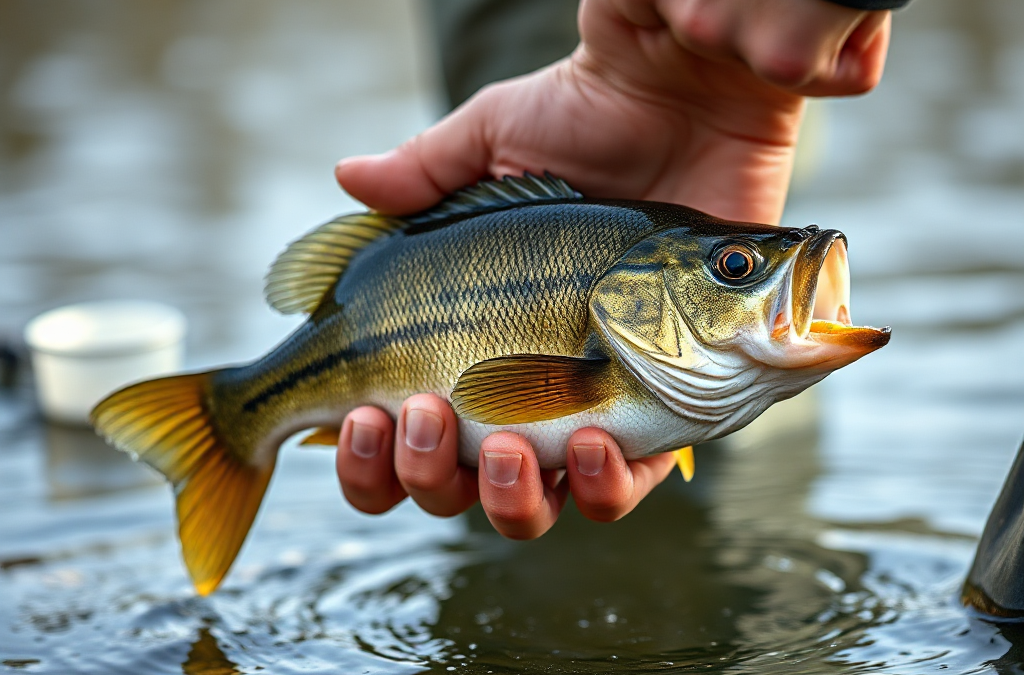
Common mistakes when using live bait for bass include improper hook placement, using the wrong bait size, and not considering water conditions. These mistakes can lead to ineffective fishing and missed opportunities. Ensuring the right size and type of bait, along with proper presentation techniques, is crucial to increase your catch rate. Additionally, understanding how water temperature and clarity affect bass behavior is essential for success.
Understanding Live Bait Choices
Choosing the right live bait is fundamental to successfully catching bass. Common mistakes include selecting bait that is either too large or too small for the species being targeted. For instance, using oversized minnows may not attract bass effectively, while smaller bait could go unnoticed. Additionally, different bass species may respond better to specific types of live bait, such as worms, minnows, or crayfish.

Understanding the natural prey of bass in the local habitat can guide bait selection. For example, if local waters are known for abundant shad, using shad as live bait can increase chances of attracting bass. Moreover, seasonal variations affect bait effectiveness; during warmer months, bass may prefer more active bait, while during colder months, slower-moving bait may be more effective.
To avoid these mistakes, research local fishing conditions and the specific preferences of bass in your area. Match your bait selection with the local forage base to enhance your chances of success. This approach ensures that you are using the most effective bait for the conditions you are fishing in.
Common Hooking Mistakes
Improper hooking techniques can significantly reduce the effectiveness of your live bait. A frequent error is failing to hook the bait correctly, which may lead to it dying prematurely or not swimming naturally. For example, hooking a minnow through the head may cause it to swim erratically, making it less appealing to bass.
Instead, consider hooking the bait through the back or just below the dorsal fin. This method allows the bait to swim more naturally, attracting bass more effectively. Additionally, ensuring that the hook is the appropriate size for the bait being used is crucial. A hook that is too large can hinder the bait’s movement, while a hook that is too small may not be effective in securing a catch.
Moreover, check your bait regularly to ensure it remains lively. Dead or sluggish bait is less likely to entice bass. Incorporating a quick check of your bait every few minutes can prevent this common mistake, ensuring that your presentation remains appealing.
Presentation Techniques That Fail
The way live bait is presented can make or break your fishing success. One common mistake is not adjusting the depth at which the bait is fished. Bass often prefer specific depths depending on the time of day and water temperature. Failing to adapt your bait’s depth can result in missed opportunities.
Utilizing a bobber or slip sinker can help control the depth of your bait. This allows you to present the bait where bass are actively feeding. Additionally, varying the speed and movement of the bait can attract more interest. Abrupt movements may scare fish away, while slow, natural movements can entice them to strike.
Consider also the use of current and structure in the water. Positioning your bait near rocks, submerged vegetation, or other structures can increase visibility to bass. Being mindful of these factors will enhance your bait’s presentation and increase your chances of a successful catch.
Ignoring Environmental Factors
Environmental factors play a significant role in bass behavior and should not be overlooked. One common mistake is ignoring water temperature and clarity. Bass are more active in certain temperature ranges and may be less likely to bite if the water is too cold or too warm.
Additionally, the clarity of the water can affect how bass perceive your bait. In murky water, using brightly colored or larger baits can help attract bass, while clear water may require more natural presentations. Monitoring these conditions and adjusting your strategy accordingly can lead to improved fishing outcomes.

Furthermore, weather patterns can influence bass activity. For instance, overcast days often lead to increased feeding activity. Being aware of these factors and adapting your fishing strategy can help you avoid common mistakes and enhance your overall success when using live bait for bass.
Frequently Asked Questions
What is the best live bait for bass fishing?
The best live bait for bass fishing typically includes minnows, worms, and crayfish, as these are natural prey for bass.
How can I tell if my live bait is still alive?
Check for movement; lively bait will swim or move around. If the bait is sluggish or unresponsive, it may be dead.
What is the ideal hook size for live bait?
The ideal hook size depends on the size of the bait being used; generally, a hook should be proportionate to the bait to ensure effective hooking.
How deep should I fish with live bait for bass?
The depth at which to fish varies; adjust based on water temperature and time of day, but typically, bass are found at varying depths throughout the day.
Can weather affect bass fishing success?
Yes, weather can significantly impact bass behavior; overcast days often lead to increased activity, while bright sunny days may slow them down.
Further Reading
Authoritative Sources
- Library of Congress Research Guides
guides.loc.govResearch guides that help readers locate reliable background sources on a wide range of subjects
- USA.gov Official Information and Services
usa.govOfficial U.S. government information and public resources for practical reference
- Google Scholar
scholar.google.comAcademic search resource for finding research literature and source material
Conclusion
Being aware of common mistakes when using live bait for bass is essential for improving your fishing success. Focus on selecting the right bait, using proper hooking techniques, and presenting your bait effectively based on environmental factors. By avoiding these common pitfalls and adjusting your strategies, you can enhance your chances of landing more bass on your next fishing trip.

