
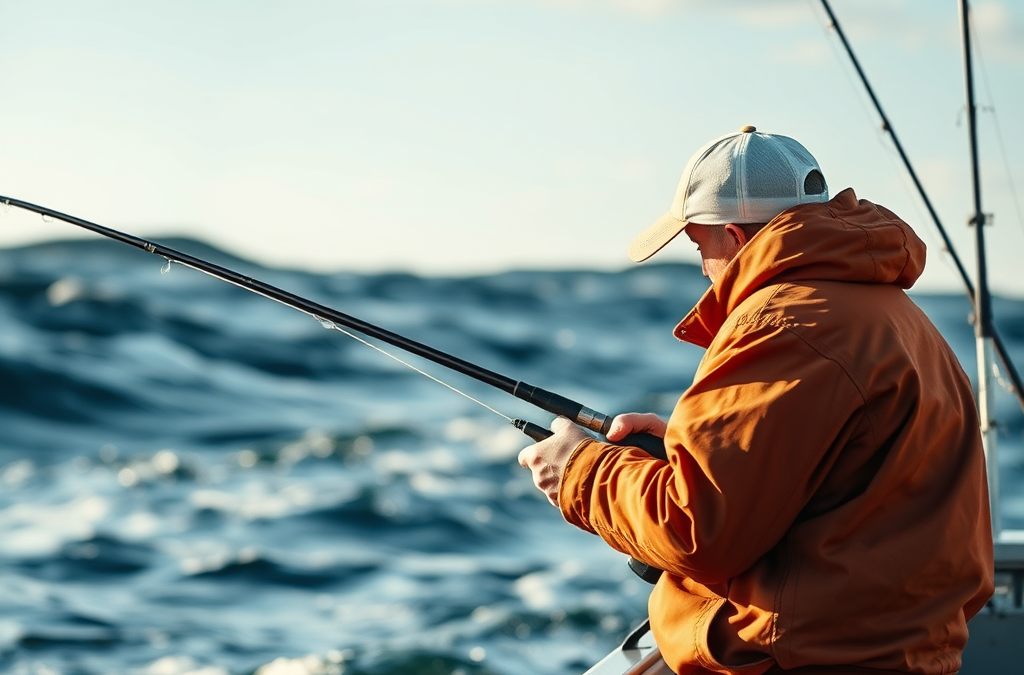
Adjusting techniques for fishing in high winds involves using heavier tackle, selecting wind-resistant lures, and altering your casting techniques. These adjustments help maintain control and accuracy while ensuring your bait reaches the desired depth. Additionally, understanding how wind affects fish behavior and choosing appropriate fishing locations can significantly increase your chances of success.
Understanding Wind Effects on Fishing
Wind significantly impacts fishing conditions by affecting water movement, surface disturbance, and fish behavior. When fishing in high winds, understanding these effects is crucial. Wind can create current variations that fish often use for foraging, making certain areas more productive. Additionally, windy conditions can lead to increased surface turbulence, which may either help conceal your bait or make it less attractive to fish.

Fish species behave differently under windy conditions; for example, predatory fish may become more active as they hunt for prey swept along by the wind. Conversely, some species may seek shelter in calmer waters. Recognizing these behaviors allows anglers to adapt their strategies accordingly, increasing their chances of a successful catch.
Understanding Wind Effects on Fishing matters because it turns adjusting techniques for fishing in high winds from a broad idea into a decision the reader can actually apply. The practical difference usually shows up in the details: how much is needed, when the choice is made, what tradeoff is acceptable, and what sign shows the approach is working. For technology topics, the strongest advice connects the user goal, system constraint, maintenance burden, and measurable outcome.
A useful way to handle this section is to compare the normal baseline with the situation that creates extra demand. If fishing is the baseline concern, then fish becomes the adjustment point and wind becomes the outcome to watch. That keeps the advice specific without forcing the reader into a rigid formula that may not fit their routine, budget, tolerance, schedule, or current level of experience.
The most common mistake is changing too many variables at once. A better approach is to choose one measurable adjustment, use it consistently long enough to see a pattern, and then refine the next step based on energy, comfort, performance, safety, or reliability. This makes the guidance easier to trust because the reader can connect the recommendation to what they observe rather than guessing from a generic checklist.
The practical takeaway is to make the section actionable: identify the main constraint, choose the smallest useful change, and compare the result against the goal. When the outcome improves, the reader can keep the approach. When it does not, the next change should target the most likely bottleneck rather than repeating the same step with more effort.
Equipment Adjustments for High Winds
Using the right equipment is essential when fishing in high winds. Heavier tackle is often necessary to maintain control and ensure accurate casting. Switching to a heavier line can help prevent breakage and improve your ability to handle strong wind resistance. Additionally, ensuring your reel is equipped with a smooth drag system is vital for managing any larger fish that may take the bait.
Choosing wind-resistant lures is another critical adjustment. Lures that are heavier and streamlined can cut through the wind more effectively, allowing you to cast farther and with greater precision. Consider using jigs or weighted soft plastics, as they can reach the desired depth more quickly, even in turbulent conditions. Furthermore, using a baitcaster reel can provide better control over your line and reduce backlashes caused by wind.
Equipment Adjustments for High Winds matters because it turns adjusting techniques for fishing in high winds from a broad idea into a decision the reader can actually apply. The practical difference usually shows up in the details: how much is needed, when the choice is made, what tradeoff is acceptable, and what sign shows the approach is working. For technology topics, the strongest advice connects the user goal, system constraint, maintenance burden, and measurable outcome.
A useful way to handle this section is to compare the normal baseline with the situation that creates extra demand. If high is the baseline concern, then winds becomes the adjustment point and fishing becomes the outcome to watch. That keeps the advice specific without forcing the reader into a rigid formula that may not fit their routine, budget, tolerance, schedule, or current level of experience.
The most common mistake is changing too many variables at once. A better approach is to choose one measurable adjustment, use it consistently long enough to see a pattern, and then refine the next step based on energy, comfort, performance, safety, or reliability. This makes the guidance easier to trust because the reader can connect the recommendation to what they observe rather than guessing from a generic checklist.
The practical takeaway is to make the section actionable: identify the main constraint, choose the smallest useful change, and compare the result against the goal. When the outcome improves, the reader can keep the approach. When it does not, the next change should target the most likely bottleneck rather than repeating the same step with more effort.
Casting Techniques in Windy Conditions
When casting in high winds, adapting your technique can greatly enhance your fishing success. First, consider using a lower trajectory when casting, which can help minimize the wind’s impact on your line. This technique allows your bait to reach the water more effectively and reduces the chance of snagging on the wind.
Utilizing a sidearm cast can also be beneficial, as it keeps the line closer to the water’s surface, reducing wind resistance. Additionally, focus on your timing; casting just before a gust hits can help your bait land with less disturbance. Practicing these techniques will improve your accuracy and ensure your bait remains in the strike zone longer.
Casting Techniques in Windy Conditions matters because it turns adjusting techniques for fishing in high winds from a broad idea into a decision the reader can actually apply. The practical difference usually shows up in the details: how much is needed, when the choice is made, what tradeoff is acceptable, and what sign shows the approach is working. For technology topics, the strongest advice connects the user goal, system constraint, maintenance burden, and measurable outcome.
A useful way to handle this section is to compare the normal baseline with the situation that creates extra demand. If techniques is the baseline concern, then casting becomes the adjustment point and fishing becomes the outcome to watch. That keeps the advice specific without forcing the reader into a rigid formula that may not fit their routine, budget, tolerance, schedule, or current level of experience.
Choosing the Right Fishing Spot
Finding the right fishing spot is crucial when fishing in high winds. Wind direction can affect where fish are likely to congregate. Fish often seek shelter from strong winds, so areas with natural barriers like rocks, vegetation, or inlets can be more productive. Look for spots where the wind creates current breaks, as these areas can attract fish looking for refuge.
Another effective strategy is to fish on the downwind side of structures, where fish may be more concentrated due to the increased food availability brought by the wind. Always pay attention to the water’s surface; ripples or breaking water can indicate fish activity, guiding you to the best locations.
Choosing the Right Fishing Spot matters because it turns adjusting techniques for fishing in high winds from a broad idea into a decision the reader can actually apply. The practical difference usually shows up in the details: how much is needed, when the choice is made, what tradeoff is acceptable, and what sign shows the approach is working. For nutrition topics, the strongest advice connects portion size, food quality, timing, and recovery instead of treating every meal as a fixed serving.
A useful way to handle this section is to compare the normal baseline with the situation that creates extra demand. If fish is the baseline concern, then fishing becomes the adjustment point and winds becomes the outcome to watch. That keeps the advice specific without forcing the reader into a rigid formula that may not fit their routine, budget, tolerance, schedule, or current level of experience.
The most common mistake is changing too many variables at once. A better approach is to choose one measurable adjustment, use it consistently long enough to see a pattern, and then refine the next step based on energy, comfort, performance, safety, or reliability. This makes the guidance easier to trust because the reader can connect the recommendation to what they observe rather than guessing from a generic checklist.
Frequently Asked Questions
What lure types work best in high winds?
Heavier and streamlined lures like jigs or weighted soft plastics are effective as they can cut through wind resistance and reach desired depths quickly.
How does wind direction affect fish behavior?
Fish often seek shelter from strong winds, congregating in areas with natural barriers or on the downwind side of structures where food is more readily available.
What casting technique is best for windy conditions?
A sidearm cast with a lower trajectory minimizes wind resistance and improves accuracy, allowing your bait to land more effectively on the water.
Should I change my fishing line in high winds?
Yes, switching to a heavier line can help prevent breakage and improve control over your tackle in windy conditions.
How can I identify productive fishing spots in high winds?
Look for areas with natural barriers, current breaks, and sheltered zones where fish may congregate due to increased food availability brought by the wind.
Further Reading
Authoritative Sources
- Academy of Nutrition and Dietetics
eatright.orgProfessional nutrition guidance, healthy eating resources, and practical dietitian-reviewed advice.
- U.S. Department of Agriculture
usda.govOfficial food, nutrition, agriculture, and consumer guidance from the USDA.
- NIH Office of Dietary Supplements
ods.od.nih.govResearch-based fact sheets on nutrients, supplements, dietary intake, and safety considerations.
- International Society of Sports Nutrition
sportsnutritionsociety.orgEvidence-informed sports nutrition resources and position stands for active people and athletes.
Conclusion
Fishing in high winds requires adjustments in techniques, equipment, and location choices to enhance success. By understanding how wind affects fish behavior, selecting appropriate tackle, and employing effective casting methods, anglers can significantly improve their chances of a successful outing. Remember to stay adaptable and observe conditions closely, as these factors will guide your fishing strategies.

