
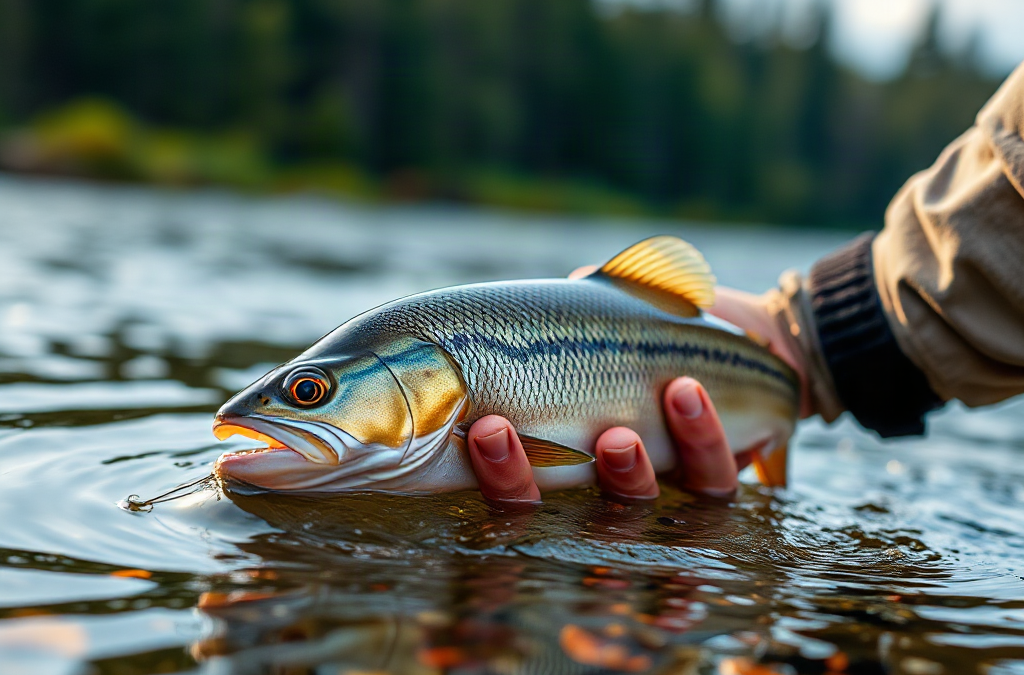
How to improve your fishing success with seasonal adjustments comes down to matching location, depth, lure action, and retrieve speed to changing water temperature, forage, daylight, and fish activity. In spring, check warming shallows and use slower presentations; in summer, search cooler or deeper water and fish low-light periods; in fall, follow bait toward feeding areas and vary speed; in winter, concentrate on stable deep water with deliberate movements. Track water temperature and weather rather than relying on calendar dates alone. A common mistake is keeping the same lure and retrieve all year, even when fish have shifted habitat or become less willing to chase.
What you’ll learn
This guide covers the following practical points:
- How Seasons Change Fish Location and Behavior — Seasonal fishing adjustments work because fish respond to water temperature, available food, oxygen levels, light, and spawning or migration demands.
- Spring and Summer Adjustments for Depth and Timing — Spring usually rewards anglers who follow warming water and emerging forage, but the transition is uneven.
- Fall and Winter Presentation Changes — Fall fishing often improves when anglers locate bait movement instead of searching every piece of cover.
- A Practical Seasonal Adjustment Checklist — A repeatable decision sequence prevents random lure changes.
How Seasons Change Fish Location and Behavior
Seasonal fishing adjustments work because fish respond to water temperature, available food, oxygen levels, light, and spawning or migration demands. Those influences change their energy requirements and determine whether they hold in shallow cover, suspend over open water, or move along a depth transition. The calendar provides a useful starting point, but local conditions are more reliable than a fixed date. A cold front during an otherwise warm month can temporarily produce winter-like behavior, while several sunny days may move fish shallower than expected.
Water temperature does not need to be measured with laboratory precision to guide a decision. A few degrees of change can alter the pace of a bite, especially in smaller ponds, shallow bays, and clear water that heats or cools quickly. Watch the trend: steadily warming water often encourages movement, while a sharp drop may push fish toward nearby cover or a stable depth. Wind can strengthen the effect by mixing the surface and concentrating drifting food along a bank or point.
Forage is the second major clue. Insects, minnows, crayfish, shad, and other prey do not occupy the same places throughout the year. Fish commonly position where food is easiest to intercept rather than where the deepest water is found. A rocky bank may be productive during a warming period because it absorbs heat, whereas a weed edge may matter later when it holds bait and provides shade.
Use how to improve your fishing success with seasonal adjustments as a process of observation rather than a rigid seasonal formula. Before changing lures repeatedly, record water temperature, wind direction, cloud cover, recent rainfall, and the depth of each bite. The frequent mistake is treating a successful location from last month as permanent. Fish may still be nearby, but a change of only a few feet, a different current seam, or a shift from bank cover to offshore structure can make the old presentation ineffective.

Spring and Summer Adjustments for Depth and Timing
Spring usually rewards anglers who follow warming water and emerging forage, but the transition is uneven. Protected coves, dark-bottom flats, and shorelines exposed to afternoon sun may warm first. Fish can move shallow to feed or stage near deeper water before committing to a flat. A practical approach is to fish the shallow area briefly, then work the first break, channel edge, or nearby cover if the shallows produce no signs of activity.
Presentation should usually become more active as fish grow comfortable in warming water, though clarity and wind still matter. Suspending jerkbaits, small swimbaits, crankbaits, soft plastics, and live bait can all work when matched to local forage. In clear, calm conditions, a natural color and pauses may outperform a loud, fast-moving lure. In stained water or wind, vibration and a stronger silhouette can help fish locate the offering. Do not assume warmer water automatically means a fast retrieve; a cold morning can require a slower pace than a sunny afternoon.
Summer often shifts the best action toward low-light periods, deeper water, vegetation edges, current, and shaded structure. Fish may still feed aggressively, but bright overhead conditions can make exposed shallow areas less attractive, particularly in clear water. Early morning topwater action may fade as the sun rises, after which a deeper presentation, a shaded bank, or a weed-line drop can become more productive. In rivers, oxygenated current and inflowing water may remain useful even when nearby slack water becomes warm.
Compare two common choices: covering water with a moving lure or staying on a promising deep feature with a slower bait. The first is better when fish are scattered and actively feeding; the second is more efficient when heat has compressed activity into a narrow depth band. Signs that the summer adjustment is working include bait flickering, repeated marks or strikes at one depth, and bites arriving at the same light level. If surface activity disappears and several shallow casts produce nothing, change depth or shade before simply changing color.
Avoid the assumption that the deepest available water is automatically safest or most productive. Fish need suitable oxygen and food, and some deep basins become less useful than a cooler inflow, submerged vegetation, or a current edge. For more location ideas, consult how to improve your fishing success with seasonal adjustments while comparing depth, cover, and forage rather than selecting depth alone.
Fall and Winter Presentation Changes
Fall fishing often improves when anglers locate bait movement instead of searching every piece of cover. Cooling water can stimulate feeding before winter, and fish may track minnows along points, creek arms, shorelines, or current-influenced areas. Wind-blown banks deserve attention because wind can push plankton and small prey toward one side of a lake. The productive zone may be shallow during a warm afternoon but several feet deeper after a cold night.
Moving lures are useful in fall because they imitate active prey and allow an angler to test a large area. Spinnerbaits, crankbaits, lipless lures, swimbaits, and jigging presentations can be selected according to depth, cover, and water clarity. A bait that runs just above grass may be preferable to one that repeatedly digs into it. In clear water, moderate speed and realistic colors can prevent fish from abandoning the chase; in stained water, stronger vibration may be more noticeable.
Winter requires a different expectation. Cold water generally reduces the distance fish will travel and the energy they spend pursuing food, although brief feeding windows can occur during stable weather or warming periods. Concentrate on stable depth, vertical structure, sun-warmed banks, and areas protected from harsh wind. A slow soft-plastic presentation, jig, suspending bait, or carefully worked live bait may keep the offering in the strike zone long enough for a reluctant fish to respond.
The tradeoff is between coverage and exposure time. A fast search pattern tells you where active fish are, but it can miss fish that will only react to a bait held in place. In winter, try a deliberate retrieve with pauses lasting several seconds, then adjust only one variable at a time. If fish follow without striking, reduce speed or size; if the lure never reaches the suspected depth, change weight or running depth before abandoning the area.
Weather stability matters more than a simple “winter equals deep” rule. Several calm days may make a sunlit shallow shelf worth testing, while a sudden pressure change and falling temperature can make a nearby drop-off more dependable. Keep expectations realistic: fewer bites may still be valuable information when they consistently occur at one depth or during one narrow period.

A Practical Seasonal Adjustment Checklist
A repeatable decision sequence prevents random lure changes. Begin with conditions, then make the smallest adjustment that addresses the evidence. The goal is not to use a separate tackle box for every month; it is to alter location, depth, speed, and profile in a logical order.
- Measure the trend: Note surface temperature if available, recent weather, wind, rainfall, cloud cover, and water clarity. A warming or cooling trend can matter more than the absolute reading.
- Find the seasonal food source: Look for bait, insects, crayfish activity, birds, surface disturbances, or current carrying debris. Empty-looking water may be less useful than a less obvious area with visible forage.
- Test a depth range: Fish shallow cover, the nearest break, and one deeper or more stable option. Use the same effective bait briefly so depth—not lure novelty—can be evaluated.
- Match presentation pace: Slow down after a temperature drop or missed follow; increase speed when fish are chasing bait or striking short. Change retrieve cadence before changing every tackle component.
- Confirm the pattern: A single bite may be incidental. Look for another strike, follow, or bait signal under similar conditions before committing the rest of the trip.
Gear choices should support the seasonal presentation rather than dictate it. Heavier line may be sensible around thick summer vegetation, while lighter line can improve a subtle clear-water offering if cover allows. A longer leader, smaller hook, or compact lure may help in pressured water, but downsizing can reduce casting distance or make the bait harder to detect in wind and stain. Choose the compromise that keeps the offering controlled in the actual conditions.
Keep a short log after each outing. Record where bites occurred, the retrieve speed, depth, lure profile, weather change, and whether fish were feeding on visible prey. Over time, the notes reveal local patterns that broad seasonal advice cannot: a reservoir arm that turns on after rain, a pond corner that warms first, or a river seam that holds fish during low flow. The mistake to avoid is recording only the lure. Location and conditions explain why the lure worked.
Use how to improve your fishing success with seasonal adjustments as a feedback loop: observe, test, compare, and retain the adjustment that produces repeatable evidence. If a change fails, return to the last known productive variable rather than changing location, depth, lure, and retrieve simultaneously.
Frequently Asked Questions
Should water temperature or the calendar guide seasonal fishing decisions?
Use the calendar as a starting point, but prioritize water-temperature trends, forage location, weather, and local habitat. Those signals explain short-term changes better than a date alone.
Where should I look during a sudden cold front?
Check nearby deeper water, vertical cover, protected banks, and stable current areas. Fish may remain close to a shallow feeding zone but hold less actively and respond better to a slower presentation.
How should lure speed change through the year?
Use slower movements and longer pauses in cold water or after a sharp temperature drop. Increase speed when fish are actively chasing bait, while adjusting for clarity, wind, and cover.
Is deeper water always better in summer?
No. Deep water is useful only when it has suitable oxygen, food, and structure. Shade, vegetation edges, current, and cool inflows may outperform a featureless deep basin.
What should I record in a fishing log?
Record date, water temperature if available, weather trend, wind, clarity, depth, cover, lure, retrieve, and the exact location of bites. These details help separate a repeatable pattern from a lucky catch.
Additional Resources
Authoritative Sources
- Academy of Nutrition and Dietetics
eatright.orgProfessional nutrition guidance, healthy eating resources, and practical dietitian-reviewed advice.
- U.S. Department of Agriculture
usda.govOfficial food, nutrition, agriculture, and consumer guidance from the USDA.
- NIH Office of Dietary Supplements
ods.od.nih.govResearch-based fact sheets on nutrients, supplements, dietary intake, and safety considerations.
Conclusion
Better seasonal fishing decisions come from reading change rather than following a month-by-month script. Start with water and weather trends, locate the forage, then test depth before making large lure changes. Spring often calls for warming shallows and nearby staging areas; summer favors shade, current, depth, or low-light periods; fall rewards bait tracking; and winter usually demands stability, patience, and precise placement. Treat those patterns as working hypotheses, not guarantees. On your next trip, write down the conditions, test three depth zones, and alter retrieve speed in response to fish behavior. Repeated observations will show which seasonal adjustments fit your lake, river, species, and access constraints better than any universal rule.

