
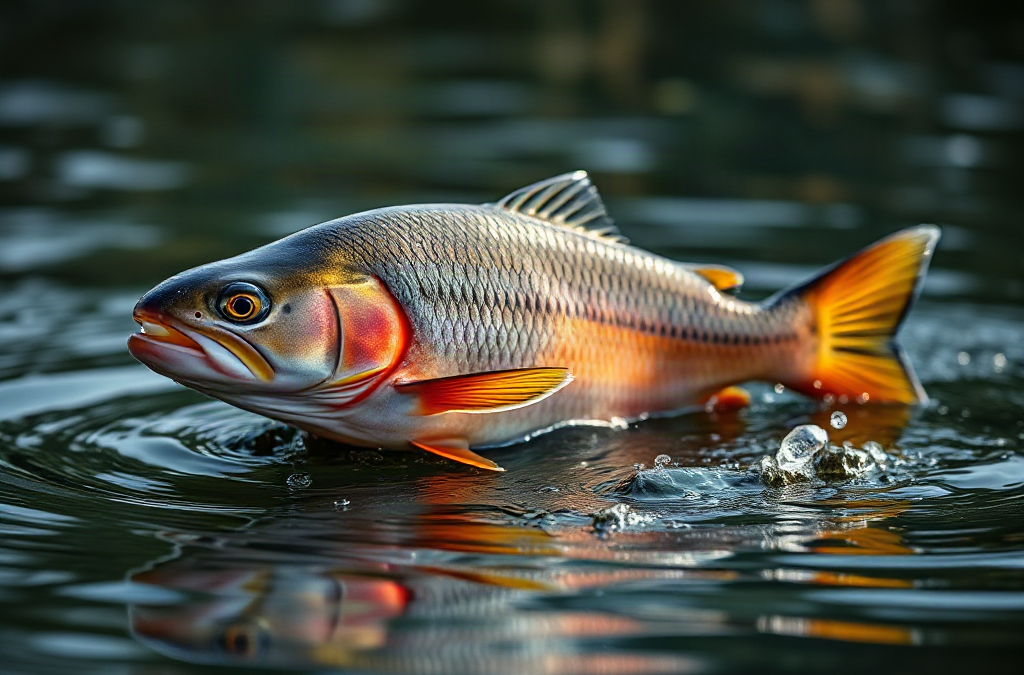
Recognizing feeding patterns in different species means matching visible activity, food type, location, and timing to the species’ normal feeding behavior. Observe whether fish are chasing baitfish, picking insects from the surface, rooting along the bottom, or holding near cover, then adjust depth, presentation speed, and bait profile accordingly. Bass often respond to schools of prey and ambush points, trout may key on insect size and drift speed, while catfish commonly feed by scent along bottom contours. Avoid treating every surface splash or sonar mark as active feeding; confirm the pattern with repeated observations and careful changes to one variable at a time.
What you’ll learn
This guide covers the following practical points:
- Read the Signals Before Choosing a Presentation — Feeding behavior is easier to recognize when you separate evidence from assumption.
- Match Feeding Style to Species and Habitat — Species reveal feeding patterns through the way they find and capture food.
- Use Timing, Depth, and Repetition to Confirm a Pattern — A feeding pattern becomes trustworthy when it repeats across more than one observation.
- Correct Misread Feeding Activity on the Water — The most damaging mistake is confusing presence with willingness to feed.
Read the Signals Before Choosing a Presentation
Feeding behavior is easier to recognize when you separate evidence from assumption. A fish breaking the surface may be feeding, escaping a predator, or reacting to your boat. Birds, nervous baitfish, drifting insects, mud clouds, current seams, and repeated marks on sonar provide stronger context than a single splash. The first useful question is not “Which lure should I use?” but “What food source is making the fish spend energy here?”
Start by watching the water for several minutes before casting. Note the direction of bait movement, whether activity is concentrated against a bank or spread across open water, and whether strikes occur at the surface, in the middle of the water column, or near bottom. A school of small baitfish flicking toward cover suggests a different opportunity from mayflies collecting in a slow current. The same species can change feeding behavior when water level, light, temperature, or current changes.
Physical evidence also has limits. Sonar can show fish near structure, but it may not prove that those fish are feeding. Likewise, an empty-looking surface does not mean a feeding window is absent; fish may be taking nymphs, crayfish, or scent-tracked prey below view. Use several clues together and give greater weight to repeated events that occur in the same place and under the same conditions.
A useful field note records four details: food, position, movement, and response. If fish are striking tiny shad beside a point, moving quickly, and ignoring a large slow offering, the pattern is specific enough to guide a change. If only one fish reacts, treat the observation as a clue rather than a confirmed pattern. For broader species-specific observations, compare your notes with how to recognize feeding patterns in different species across different habitats rather than relying on a single outing.

Match Feeding Style to Species and Habitat
Species reveal feeding patterns through the way they find and capture food. Predators such as largemouth bass and striped bass often use cover, current breaks, or depth changes to ambush moving prey. Their feeding may appear as sudden explosions, baitfish scattering, or short-lived activity around a point. A fast-moving search presentation can locate them, but a slower follow-up near the ambush edge may be more effective after the fish are identified.
Trout frequently respond to drift behavior and prey size rather than simply the presence of food. During an insect emergence, rising trout may hold in a current lane and take insects with a consistent rhythm. If rises are subtle or absent, trout may still be feeding on subsurface nymphs. Matching the approximate size and movement of the natural food matters more than changing colors repeatedly. A fly or small bait that drifts too quickly can look unnatural even when its appearance is close.
Bottom-oriented species create different clues. Catfish may gather along a channel edge, outside bend, or depression where scent and drifting food collect. Carp often reveal feeding through bubbling, cloudy bottom sediment, tailing, or slow movements across shallow flats. Walleye may feed along transitions where low light and bottom contours give them an advantage. These species do not always produce dramatic surface evidence, so location and bottom composition can matter more than visible commotion.
Habitat changes the meaning of the same behavior. A swirl beside emergent vegetation may indicate bluegill picking insects, bass attacking those bluegill, or carp disturbing the bottom. Compare the fish’s body size, movement direction, and repeated position before selecting a tactic. The common mistake is to assign every sign to the most exciting predator. A quieter interpretation often produces better results: identify the forage first, then decide which species could reasonably be using it.
When choosing between a reaction presentation and a natural presentation, consider the feeding mode. Active chasers may respond to speed and flash, while selective feeders often require controlled depth, smaller profiles, or a slower drift. Neither approach is universally superior. The correct choice depends on whether the fish are pursuing, intercepting, grazing, or searching by scent.
Use Timing, Depth, and Repetition to Confirm a Pattern
A feeding pattern becomes trustworthy when it repeats across more than one observation. Track when activity begins, how long it lasts, and what environmental change accompanies it. Dawn may bring shallow baitfish activity, while bright midday conditions push many predators toward shade or deeper structure. Current can concentrate feeding into a short seam, and a falling or rising water level can move both prey and predators along a bank.
Depth should be tested systematically rather than changed randomly. If fish are seen near the surface, begin slightly above the suspected feeding lane and work downward. If bottom marks appear near a ledge, keep the presentation close enough to enter that zone without repeatedly snagging. A depth change is meaningful only when the rest of the presentation remains similar. Changing depth, size, color, and speed simultaneously makes it impossible to know which adjustment mattered.
Consider a reservoir where baitfish appear along a windblown shoreline. The first pattern may be shallow and aggressive, but after the sun rises, the bait may move just beyond the visible edge. A lure that worked at the bank can fail even though the forage remains nearby. Searching parallel to the shoreline at a slightly greater depth tests whether the fish followed the food rather than simply becoming inactive.
Keep a compact record of the variables that repeat:
- Time of first and last feeding activity.
- Water depth, cover, bottom type, and current strength.
- Observed forage size and movement direction.
- Presentation speed, depth, and the location of each response.
Repeated follows, short strikes, and missed takes can be informative. They may indicate that the location is correct but the profile or speed is wrong. Complete inactivity after several controlled presentations suggests a location or timing problem, not necessarily a need for a more elaborate lure. Use the process described in how to recognize feeding patterns in different species as an observation loop: watch, test one change, record the response, and decide whether the evidence is becoming stronger.

Correct Misread Feeding Activity on the Water
The most damaging mistake is confusing presence with willingness to feed. Fish may be resting, spawning, avoiding disturbance, or holding in a favorable temperature band. A dense sonar mark can represent inactive fish, and visible bait can be too scattered to create a reliable feeding opportunity. Treat activity as a hypothesis until a presentation produces repeated contact or the fish’s behavior clearly matches the suspected food source.
Boat noise, wading pressure, and repeated casts can alter a shallow feeding area. If surface activity stops immediately after arrival, move farther away, reduce speed, or wait for the fish to settle. In clear water, a long cast and a less abrupt entry may matter more than a new color. In stained water, vibration and scent can help fish locate an offering, but excessive action may still look unlike the available prey.
Weather and water conditions should be interpreted through their effect on food movement. Wind may push plankton and baitfish toward one shoreline, while runoff may dislodge insects or worms. A cold front can reduce visible activity without eliminating feeding; fish may move deeper or shorten their chase distance. The practical adjustment is often a smaller presentation, slower retrieve, or tighter search around cover rather than abandoning the entire area.
Compare failures carefully. If several species are absent from an area, relocate. If one species follows but refuses, alter speed, size, or depth. If only bottom-feeding signs remain, stop imitating fleeing prey and present closer to the substrate. This distinction prevents a common cycle of changing lures while leaving the underlying mismatch untouched.
A reliable next step is to choose one priority signal and one controlled response. For example, repeated baitfish movement along a current edge can justify a presentation that crosses the edge at the same depth several times. If the fish respond, refine the speed. If they do not, test a nearby depth before changing the entire lure family. That disciplined approach makes how to recognize feeding patterns in different species a practical decision process rather than a collection of guesses.
Frequently Asked Questions
What is the strongest sign that fish are actively feeding?
Repeated strikes, consistent bait movement, or multiple fish responding in the same zone is stronger evidence than one splash or an isolated sonar mark.
How do feeding patterns differ between bass and trout?
Bass often ambush moving prey around cover and current breaks, while trout frequently key on drift speed, insect size, and a precise feeding lane.
Should visible surface activity always be targeted?
No. Surface disturbance may come from escaping prey or nonfeeding behavior. Confirm the food source, direction, and repetition before committing to a surface presentation.
How can anglers test depth without creating confusion?
Keep lure size, color, and speed consistent while moving through a few deliberate depth bands. Change another variable only after the depth test produces useful evidence.
What should be changed when fish follow but do not strike?
First test a slower speed, smaller profile, or slightly different depth. A follow often suggests that location is right but the presentation does not match the feeding mode.
Additional Resources
Authoritative Sources
- Academy of Nutrition and Dietetics
eatright.orgProfessional nutrition guidance, healthy eating resources, and practical dietitian-reviewed advice.
- U.S. Department of Agriculture
usda.govOfficial food, nutrition, agriculture, and consumer guidance from the USDA.
- NIH Office of Dietary Supplements
ods.od.nih.govResearch-based fact sheets on nutrients, supplements, dietary intake, and safety considerations.
Conclusion
Recognizing feeding patterns depends on connecting behavior with food, habitat, depth, and timing rather than reacting to isolated signs. Watch long enough to identify repeated movement, determine whether the species is chasing, intercepting, grazing, or searching along bottom, and then change one presentation variable at a time. Give greater weight to confirmed responses than to dramatic but ambiguous surface activity. Species differences matter, yet local conditions can reshape those differences from one hour to the next. Record the pattern that produced contact, note when it stopped working, and test the nearest logical alternative before abandoning the area. That method builds useful knowledge for future trips and reduces wasted casts caused by confusing fish presence with active feeding.

