
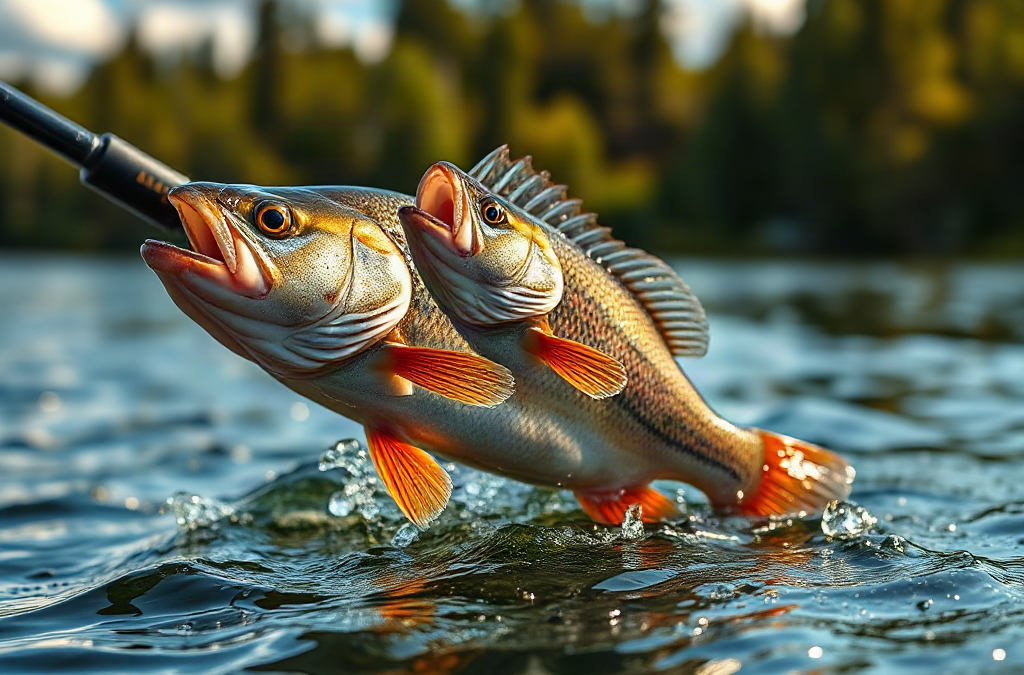
How to maximize your catch during peak fishing seasons comes down to matching location, presentation, and timing to the species’ changing behavior rather than simply fishing longer. Check water temperature, wind, light, recent weather, and forage before choosing a shoreline, depth, or lure. Begin where seasonal food is concentrated, then adjust depth and retrieve speed when fish follow without striking. A compact selection of natural bait, moving lures, and slower backup presentations is more useful than a crowded tackle box. Avoid assuming peak season means fish will be active all day; low-light windows, incoming current, and short weather changes often produce the best bites.
Read Seasonal Fish Behavior Before Choosing a Spot
Peak fishing seasons concentrate feeding activity, but they do not place every fish in the same location at the same time. Water temperature, spawning or migration stages, available forage, oxygen levels, and changing water levels determine whether fish hold shallow, suspend over structure, or move along a contour. The first productive decision is therefore not lure selection; it is identifying the habitat that currently supplies food with reasonable shelter.

Look for a seasonal food chain rather than an attractive view. Baitfish may gather near windblown banks, insects may collect around overhanging vegetation, and larger prey may use drop-offs beside flats. A bass angler might find active fish around a warming shallow pocket during a calm morning, while trout may remain near a seam, spring inflow, or shaded run when the surrounding water becomes warm. The visible presence of birds, bait, insects, or surface disturbances can confirm activity, but silence does not prove that an area is empty.
Depth changes deserve more attention during busy seasons. Fish can feed in three feet of water at dawn and shift several yards deeper once sunlight reaches the bottom. A common mistake is staying on the first productive depth after the bite fades. Instead, note the water temperature and cover at the first catch, then test the nearest deeper edge, shaded side, or current break. That small move often reveals whether the fish stopped feeding or simply relocated.
Use how to maximize your catch during peak fishing seasons as a decision process: identify likely forage, locate the cover or current that concentrates it, and present a bait at the depth where both predators and prey can remain comfortably. This approach is more reliable than copying a location from a different day, because seasonal movement can change after a cold front, heavy rain, or a sharp water-level change.
Build a Timing Plan Around Weather, Light, and Current
Timing improves catch rates when it is tied to fish movement instead of a fixed clock. Low light often allows predatory fish to move shallow, while bright conditions may push them beside vegetation, beneath docks, into deeper water, or under a shaded bank. Wind can also be useful: it breaks the surface, moves plankton and bait, and makes a wind-facing shoreline worth checking. Excessive wind, unsafe waves, or muddy runoff may reverse that advantage.
Plan the day around high-probability windows and use slower periods for relocation. On a tidal shoreline, an incoming or outgoing current may funnel forage through a narrow point, cut, or channel edge. In a river, the best target may be the quiet water beside faster flow rather than the strongest current itself. On a lake, a windward flat may turn on after the surface begins pushing food toward it. These are mechanisms to test, not guarantees.
Recent weather matters more than a generic seasonal label. A warm spell can draw prey into shallow water, whereas a sudden cold front may make fish less willing to chase. After rain, rising water can open new shoreline cover but reduce visibility; falling water often pulls fish toward remaining channels and defined edges. The better response is to alter lure speed, depth, and contrast before abandoning the entire area.
A practical schedule might reserve the first light for shallow search lures, shift to cover or structure as visibility increases, and revisit productive areas near an evening light change. If a tide or current window overlaps with low light, give that period priority. The mistake to avoid is treating every hour equally. A short, well-positioned feeding period can outperform several hours spent casting without a plan, while safety should always override a promising weather pattern.
Match Lures, Bait, and Presentation to the Forage
The most effective lure is usually the one that resembles available prey in size, movement, and depth while remaining visible enough for the conditions. Start with observations: tiny minnows, larger baitfish, crayfish, worms, aquatic insects, or surface insects each suggest a different presentation. Clear water may reward natural colors and a restrained action; stained water may call for vibration, silhouette, or a slower pause that gives fish time to locate the offering.
Carry a small progression rather than every possible option. A moving lure can quickly locate active fish, a soft plastic or jig can probe cover and bottom, and natural bait can confirm whether fish are present when artificial presentations fail. Live bait may be productive but brings storage, handling, and local-rule considerations; artificial lures are easier to change and cover water but may require more precise speed and depth control. Neither choice is universally superior.
Retrieve speed should reflect water temperature and response, not habit. Fast movement can trigger a feeding fish during warm, active conditions, yet a lure that is repeatedly followed without a strike may need a pause, smaller profile, or deeper track. If fish nip short, check hook placement and presentation angle before simply increasing lure size. If the lure produces no contact after covering several likely lanes, change one variable at a time so the useful lesson is clear.
For example, when shoreline bass are chasing small shad, a compact, naturally colored moving lure may draw strikes over a wind-ruffled flat. If the surface activity disappears, switch to a smaller sinking presentation along the nearby drop rather than continuing to burn the same lure across empty water. Trout feeding on insects may demand a delicate drift, while a spoon or streamer becomes more appropriate when larger prey are moving. Connect lure choice to observed behavior, and use how to maximize your catch during peak fishing seasons to compare presentation against evidence from each cast.
Use a Repeatable Search-and-Adjustment Process
A structured search process prevents peak-season excitement from turning into random casting. Begin with a short assessment of access, wind direction, water clarity, temperature trend, current, forage, and the safest route through the area. Choose one high-probability location and give it enough casts to test more than one angle and depth. Then change a single factor—such as lure size, retrieve pace, or casting position—before deciding the pattern is unproductive.
Record useful details as the day develops. Note the exact depth, cover type, retrieve direction, light level, and whether the fish struck during a pause or steady movement. A catch beside submerged grass means more than a catch in a vaguely described “good area.” The next pass should target similar habitat, not merely the same GPS point. Seasonal fish often relate to a feature shared across a large section of shoreline.

A compact field checklist can keep priorities in order:
- Confirm the season-specific forage and likely holding depth.
- Check weather change, wind, light, water clarity, and current before moving.
- Test a fast search presentation, then a slower or deeper alternative.
- Inspect knots, hooks, line wear, and drag after contact with cover.
- Move when the evidence changes, but do not leave active bait or current without testing nearby depth.
Common failure comes from changing too many things at once. If a fisherman switches location, color, line, depth, and retrieve simultaneously, a later catch does not reveal what solved the problem. A better sequence is to keep the productive variable and alter the weakest one first. When several fish come from one depth or feature, repeat the pattern until it stops producing, then look for the next version of that habitat.
Equipment also creates practical limits. Fresh line, sharp hooks, a suitable landing net, and pliers can preserve a catch that a clever lure alone cannot. Stronger tackle may handle cover but can reduce lure action or stealth; lighter tackle improves presentation but increases landing risk around vegetation and rocks. Choose gear for the species, structure, and regulations, handle fish carefully, and use how to maximize your catch during peak fishing seasons as a reminder to balance more bites with responsible release and safe handling.
Frequently Asked Questions
Is dawn always the best time to catch fish?
Dawn is often productive because low light and cooler conditions can encourage shallow feeding, but current, wind, forage, and weather may create a stronger period later. Treat dawn as a starting window, not a guarantee.
Should I use live bait during peak season?
Live bait can help when fish are reluctant or when matching natural forage is difficult, while artificial lures cover water faster. Check local bait, transport, hook, and release rules before using it.
How often should I change lures?
Change a lure when the evidence points to a mismatch in depth, size, action, or visibility. Alter one factor at a time and give the new presentation enough casts to test the target zone.
What should I do after a cold front?
Look for deeper cover, protected banks, and slower-moving fish. Reduce retrieve speed, pause longer, and test smaller or more subtle presentations before leaving productive structure.
How can I tell whether a location is worth staying?
Stay when you find bait, current, suitable depth, cover, or a confirmed bite pattern, and test nearby variations. Move when repeated casts cover the likely lanes without signs of life or when conditions have clearly shifted.
Further Reading
Authoritative Sources
- Academy of Nutrition and Dietetics
eatright.orgProfessional nutrition guidance, healthy eating resources, and practical dietitian-reviewed advice.
- U.S. Department of Agriculture
usda.govOfficial food, nutrition, agriculture, and consumer guidance from the USDA.
- NIH Office of Dietary Supplements
ods.od.nih.govResearch-based fact sheets on nutrients, supplements, dietary intake, and safety considerations.
- International Society of Sports Nutrition
sportsnutritionsociety.orgEvidence-informed sports nutrition resources and position stands for active people and athletes.
Conclusion
Peak-season success comes from recognizing where food and shelter intersect, then presenting an offering at the depth and speed fish can use. Put the strongest evidence first: seasonal forage, water movement, light, wind, temperature trend, and confirmed structure. Schedule high-confidence windows instead of assuming every hour will produce equally, and keep a fast search option alongside a slower presentation for fish that refuse to chase.
Make adjustments methodically. Record the depth, cover, retrieve, and conditions behind each bite, then seek similar features rather than blindly returning to one spot. Inspect terminal tackle and follow local rules for seasons, limits, bait, and handling. A flexible plan will not eliminate slow periods, but it gives every change a reason and makes the next trip more productive.

