
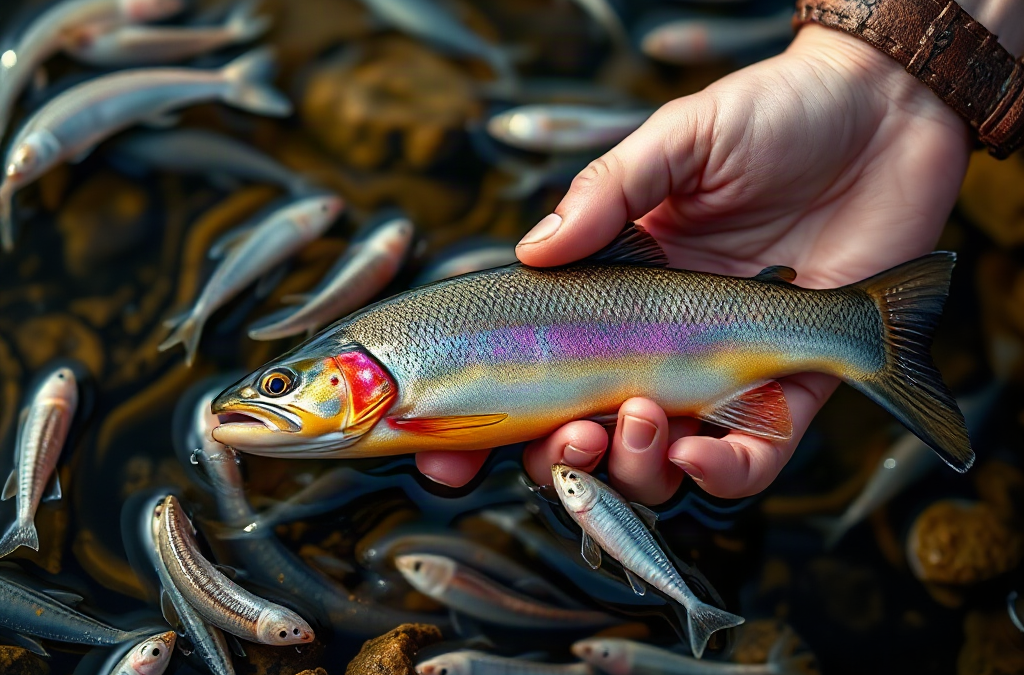
When using live bait for trout, consider local regulations, the bait species trout are already eating, water temperature, presentation, hook size, and safe handling. Worms, minnows, and aquatic insects can work differently because trout respond to scent, movement, and natural drift rather than bait alone. Match the bait to the stream, lake, and season, then keep it lively without forcing it through fast water. A small hook and light line usually preserve a natural presentation, while excessive weight, oversized bait, or an unnatural drift can reduce bites. Check whether live bait is allowed before fishing, and release trout quickly if regulations or personal conservation goals require it.
Check Regulations Before Choosing Bait
Local fishing rules determine whether live bait is legal, which species may be used, and what equipment or waters are restricted. A productive bait in one trout stream may be prohibited in another, especially where agencies are protecting native fish, preventing the spread of invasive species, or limiting baitfish introductions. Read the current regulations for the exact water rather than relying on a general statewide assumption.

Pay attention to distinctions between live worms, live minnows, salmon eggs, artificial imitations, and bait collected from the water. Some regulations allow natural bait but prohibit transporting live fish between waters. Others restrict bait in designated wild-trout, fly-fishing-only, or catch-and-release areas. The rule may also change by season, drainage, or section of the same river.
A sound pre-trip check includes the water designation, open dates, possession limits, hook requirements, and permitted bait types. If live bait is allowed, use bait purchased from an approved source when required and keep unused bait from being released. Dumping minnows or leftover worms at the end of a trip can create ecological problems even when the original fishing method was legal.
Regulations also affect tackle decisions. A single hook may be required, while treble hooks or multiple-hook rigs may be restricted. If the rules require quick release, choose a rig that makes removal simple rather than burying a hook deep in a trout’s mouth. The most effective legal approach is often less complicated than an aggressive setup built around extra hooks and heavy terminal tackle.
For a broader planning reference, what to consider when using live bait for trout begins with legality because every later choice depends on it. Treat the regulation check as part of rig preparation, not as an afterthought at the boat ramp.
Match Bait to Trout Feeding Conditions
Bait selection should reflect what trout can naturally find in the water. Earthworms may be effective after rain, when runoff moves worms and soil organisms into a stream. Minnows can make sense in waters where trout regularly pursue small fish, while mealworms or other permitted live offerings may suit stocked ponds or slow water. The goal is not to choose the largest or most active bait; it is to imitate a food source trout already recognize.
Water type changes the decision. In a narrow, clear creek, a small worm or insect-sized offering may drift naturally through shallow pockets without alarming fish. In a deeper reservoir, a minnow presented near a drop-off may cover a different feeding zone. Trout in cold, oxygen-rich current often hold behind rocks or along seams, conserving energy while intercepting food. Bait that passes through those lanes is more useful than bait placed randomly in open water.
Temperature and light influence activity, but they do not create a universal schedule. Cold water may slow trout and make a subtle presentation more appropriate. During brighter conditions, fish may hold deeper or closer to cover, making depth control more valuable than switching bait repeatedly. After a change in flow, inspect the shoreline and current margins for displaced insects, worms, or small baitfish before deciding what to use.
Use bait size as a controlled variable. A large worm can attract attention, but it may look unnatural in a small creek and encourage deep hooking. A tiny bait may drift naturally but be difficult to cast or detect. Compare a modest bait with an oversized one when conditions are uncertain, and watch whether trout follow, nip, or ignore it. Short strikes can indicate that the offering is too large, moving too quickly, or positioned outside the feeding lane.
For readers comparing options, what to consider when using live bait for trout includes the relationship between natural forage and presentation. A bait choice is strongest when it explains the local food picture, not merely when it has worked somewhere else.
Build a Natural Live-Bait Presentation
Natural movement is usually more valuable than elaborate terminal tackle. Trout often encounter food drifting with the current, fluttering near cover, or moving at a modest speed along the bottom. A rig that pins bait in place, drags it unnaturally, or repeatedly bumps rocks can look wrong even if the bait itself is attractive.
For flowing water, use only enough weight to reach the target depth while allowing the bait to travel with the current. Too little weight leaves the bait above the feeding zone; too much makes it scrape bottom and telegraphs resistance when a trout picks it up. Split shot placed several inches above the hook can be adjusted quickly, but the spacing should match the depth and current rather than follow a fixed formula.
Light line and a small, strong hook can preserve movement, particularly in clear water. Hook placement depends on the bait and the release plan. A worm threaded completely onto a hook may cast well but can lead to deep ingestion if a trout swallows it. Hooking a smaller section or placing the hook where it remains exposed may improve removal, although the exact choice must comply with local rules.
Float rigs suit suspended fish, slower pools, and anglers who need to monitor depth visually. Bottom presentations can reach trout holding near the substrate, but they require attention because constant contact can hide a bite and snag the rig. A drifting rig is often a better compromise in current: it reaches the strike zone while maintaining movement. In still water, anchor the bait near structure or suspend it at a measured depth instead of allowing it to wander without a target.
A practical test is to watch the rig in shallow water before casting to a promising lie. The bait should move in a believable way, the line should not bow excessively, and the weight should not plow continuously along the bottom. If the setup fails this test, changing bait will not correct the underlying presentation problem. More detail on decision points appears in what to consider when using live bait for trout.

Handle Bait and Trout Responsibly
Live-bait fishing combines catch decisions with animal-handling and water-quality responsibilities. Keep bait cool, aerated when necessary, and out of direct sun. Weak or dead bait may still produce scent, but it can lose the movement that makes a natural presentation convincing. Replace it when it becomes damaged enough to spin, fall apart, or drift unnaturally.
Never move live bait, baitwater, or captured organisms from one water to another unless local rules explicitly allow it. Drain containers before leaving, dispose of unwanted bait properly, and clean equipment that contacted a different stream or lake. These steps reduce the chance of transferring organisms or pathogens. The specific cleaning method may depend on the gear and the local agency’s instructions, so official guidance should take priority over improvised treatments.
Hooking location matters when trout will be released. Letting a fish run for a long time with natural bait can increase the chance of deep hooking. Use a method that allows prompt bite detection, keep the rod ready, and avoid waiting for a trout to swallow the offering. If a hook is deeply embedded and removal would cause serious injury, cutting the line close to the hook may be less harmful than forcing it out; follow local release rules and handle the fish as little as possible.
Wet your hands before touching a trout, support its body, and keep it in the water while removing the hook whenever conditions permit. Do not squeeze the fish or hold it by the gills. A quick photograph should never extend the time it is out of the water. In warm weather or during low flows, release decisions deserve extra caution because stressed trout may recover poorly even after appearing to swim away.
Common mistakes include using bait that is too large, adding weight until the rig is immobile, fishing live bait where it is prohibited, and continuing with a deep-hooking method because it produces bites. The better priority order is simple: legality, fish welfare, natural movement, then fine-tuning bait size and depth.
Frequently Asked Questions
What live bait is commonly used for trout?
Worms and permitted live minnows are common choices, but the best option depends on local rules, water type, and the forage trout are already encountering.
Should live bait be fished on the bottom?
Not always. Bottom rigs can reach deep-holding trout, while a drift or float may look more natural in current or suspended water. Use only enough weight to reach the target zone.
What hook size should be used with live bait?
Use a hook appropriate to the bait and trout size, keeping it small enough for natural movement but strong enough for the fish. Follow local hook restrictions.
How can deep hooking be reduced?
Watch the line or float closely, respond promptly to unusual movement, and avoid allowing trout to run with bait for an extended period. A simple exposed-hook presentation can also aid removal.
Can leftover live bait be released into the water?
No. Dispose of unused bait according to local guidance and never release bait or baitwater into a different stream or lake.
Further Reading
Authoritative Sources
- Academy of Nutrition and Dietetics
eatright.orgProfessional nutrition guidance, healthy eating resources, and practical dietitian-reviewed advice.
- U.S. Department of Agriculture
usda.govOfficial food, nutrition, agriculture, and consumer guidance from the USDA.
- NIH Office of Dietary Supplements
ods.od.nih.govResearch-based fact sheets on nutrients, supplements, dietary intake, and safety considerations.
- International Society of Sports Nutrition
sportsnutritionsociety.orgEvidence-informed sports nutrition resources and position stands for active people and athletes.
Conclusion
Effective live-bait trout fishing begins before the first cast. Confirm that the method and bait are legal, identify the food sources present in the water, and choose a bait size that can move naturally through the target zone. Adjust weight and depth to the current or lake structure rather than assuming every trout wants bait on the bottom. Pay close attention to line movement so a bite does not become a deep hook, and handle released trout in the water whenever possible. A simple rig that drifts naturally, matches local forage, and allows quick decisions is usually more useful than a complicated setup. Check regulations again before each trip, especially when moving between waters or fishing special-management areas.

