
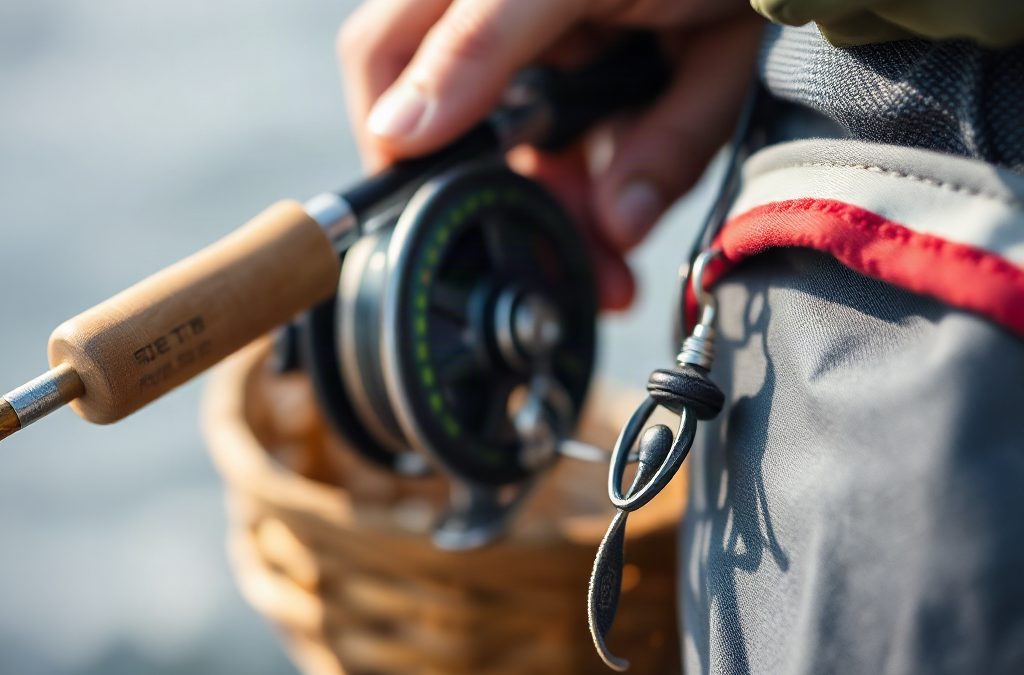
If your fishing gear is damaged, stop using the affected item, inspect it under good light, clean and dry it, then decide whether a safe repair or replacement is appropriate. Check rods for cracks or crushed sections, reels for grinding or bent parts, and lines for fraying, cuts, or flattened areas before fishing again. Small issues such as a loose guide insert, dirty reel, or damaged lure split ring may be repairable, while a cracked rod blank, compromised drag, or weakened line creates a failure risk. Photograph the damage, check warranty terms, and test every repair with light pressure before returning to the water.
Assess the Damage Before Making Repairs
Fishing gear should be removed from service until the damage is identified. A cosmetic scratch on a reel handle is not equivalent to a split rod blank or a nicked leader, and treating every problem as a quick fix can turn a manageable repair into lost tackle or a broken fish fight. Place the gear on a clean, dry surface and inspect it in bright light rather than trying to diagnose it beside the water.

Begin by separating surface damage from structural damage. On a rod, look along the blank for longitudinal cracks, crushed fibers, unexplained soft spots, and guides that are loose, bent, or missing ceramic inserts. Flex the rod only gently; forcing a questionable blank can make a small fracture spread. On a reel, turn the handle slowly and listen for grinding, uneven resistance, or a drag that slips in pulses. A line deserves the same attention: run a cloth along the final several feet and replace it if the cloth catches on abrasion.
Record what happened while the details are fresh. A rod damaged when a sinker struck the blank has a different risk profile from a rod that simply developed a loose guide. Saltwater exposure, sand, freezing temperatures, dropped tackle boxes, and high-sticking a fish can all produce different failure points. Photograph the item before disassembly, especially if a warranty or retailer claim may apply.
A useful first-pass checklist includes:
- Remove hooks, weights, and lures before handling damaged equipment.
- Check whether any edge, splinter, burr, or broken insert could cut skin or line.
- Look for hidden moisture, salt residue, sand, and corrosion.
- Mark the damaged area and compare it with an undamaged part of the item.
The common mistake is assuming that gear remains safe because it still works once. A compromised drag may hold during a light pull but fail under sustained pressure, and a nicked line may break only after repeated casting. If the defect affects load-bearing material, line contact, hook retention, or braking performance, treat it as a functional problem rather than a cosmetic one. The advice at what to do if your fishing gear is damaged is most useful when inspection comes before improvisation.
Repair or Replace: Making the Safer Choice
Repair is sensible when the damaged component is replaceable, the surrounding structure is sound, and the repair can restore reliable function. Replacement is usually the better decision when the main load-bearing structure is cracked, heat-damaged, badly corroded, or impossible to inspect internally. The cheapest immediate option is not always the least expensive outcome; a failed repair can cost a lure, a fish, and additional tackle.
Rod guides, reel handles, bail springs, knobs, spool washers, and some drag components are commonly serviceable. A cracked graphite or fiberglass blank is different. External glue or tape may hold the pieces together temporarily, but it changes how the blank bends and can create a hard spot where stress concentrates. That may be acceptable as an emergency way to get back to shore, not as a dependable long-term repair.
Line presents an especially clear replace-versus-repair decision. You cannot reliably repair a damaged section of monofilament, fluorocarbon, or braided line with a knot and expect the original strength. Cut back beyond the damaged area if enough line remains and retie the leader; replace the spool when abrasion extends through much of the working line or when the line has been exposed to severe heat, chemicals, or prolonged storage damage. A new leader is inexpensive compared with losing a lure over deep water.
Warranty coverage should be checked before opening a reel or modifying a rod. Keep the receipt, model number, photographs, and a short description of the failure. Manufacturer service may cost more than a home repair but can preserve alignment, drag performance, and resale value. Conversely, sending a low-cost lure or replaceable guide to a specialist may not make financial sense.
Use this decision order:
- Replace anything that could cut line, release a hook, or fail under normal load.
- Repair modular parts when the replacement is designed for that model.
- Seek manufacturer or qualified repair support for structural or sealed reel damage.
- Use temporary fixes only to finish a trip, clearly labeling the item afterward.
One weak assumption is that a stronger adhesive produces a stronger repair. Adhesive can secure a guide or knob, but it cannot recreate the original fibers in a rod blank or restore worn drag surfaces. Choose the repair method according to the part’s job, not according to whichever material is already in the garage.
Fixes for Rods, Reels, Lines, and Terminal Tackle
Different gear failures require different responses, so avoid applying one general repair method to the entire setup. A loose rod guide can often be rewrapped or replaced, while a cracked tip may require a correctly sized tip-top and careful removal of the old adhesive. If the blank beneath the tip is split, replacing only the tip-top hides the problem rather than solving it.
For a loose guide, remove old thread and finish without cutting into the blank, fit a matching guide, and confirm that the insert is smooth. The insert should not have a sharp edge that catches a cotton swab or cloth. A temporary wrap can keep the guide in place during transport, but it should not be mistaken for a finished repair. Compare the guide alignment from butt to tip before applying permanent thread and finish.
Reels need controlled cleaning rather than aggressive flushing or random lubrication. Rinse saltwater-exposed equipment with gentle fresh water, dry it thoroughly, and keep water away from areas where it can push grit deeper into bearings or drag surfaces. A handle that feels stiff may need cleaning or a manufacturer-specified lubricant; a reel that grinds after sand entry may need disassembly by someone familiar with its internal layout. Over-oiling can attract grit and make a reel feel worse.
Line damage should be handled conservatively. Inspect the section that passes through the guides and the final connection to the lure, because repeated casting and structure contact usually affect those areas first. Replace frayed braid, cut monofilament, and visibly abraded fluorocarbon rather than trusting a stronger knot to compensate. If only the leader is damaged, replacing the leader preserves the main line and gets the rig back in service quickly.
Terminal tackle often fails at small connection points. Examine split rings, snaps, swivels, hook eyes, and lure attachment points for opening, rust, distortion, or sharp burrs. A lure body may still look perfect while its split ring has widened enough to release a hook. Use the correct split-ring pliers and components rated for the intended species and lure size. Oversized hardware can change lure action, while undersized hardware may straighten under pressure.
For a broader equipment check, the related page what to do if your fishing gear is damaged can be used as a trip-preparation reference. The practical test is simple: repaired line should pass smoothly, a reel should rotate and engage consistently, and a rod should flex without new sounds, sharp spots, or visible separation. Stop testing if the defect worsens.

Testing, Warranty Claims, and Preventing Repeat Damage
A repair is not complete until the gear has been tested in a controlled way. Start with visual inspection, then use light hand pressure before applying anything close to fishing load. Thread line through the guides and make several slow reel rotations. Check that the bail, anti-reverse, spool, drag, and handle behave consistently. For a repaired lure, pull steadily on the connection with the hook point protected; do not test by swinging a weight near people or property.
Field testing should be staged. Use repaired equipment first in a low-risk situation, such as casting a modest lure near shore, rather than taking it immediately to heavy cover or a large fish. Watch for line fuzzing, guide noise, reel hesitation, a drag that surges, or a knot that creeps. These signs indicate that the repair or replacement has not solved the underlying issue. A successful short test does not prove that structurally damaged gear can handle its original maximum load.
Warranty claims work best when the evidence is organized. Photograph the damage from several angles, retain failed parts, note the purchase date, and describe the conditions without exaggeration. Do not sand, glue, or disassemble the item before checking the manufacturer’s process. A retailer may offer an exchange for a manufacturing defect, while impact damage, misuse, or ordinary wear may be handled differently.
Storage and transport prevent many repeat failures. Separate hooks from rod blanks, protect tips inside a rigid tube, loosen reel drags before long-term storage when appropriate for the manufacturer’s instructions, and keep line away from direct heat and chemical cleaners. Do not place heavy tackle boxes on rods in a vehicle. After saltwater trips, clean and dry gear before closing it in a case; trapped moisture encourages corrosion that may not appear until the next season.
The mistake to avoid is repairing only the visible symptom. If a guide broke because a lure repeatedly struck the blank, change transport and casting habits as well as the guide. If a reel became gritty after being stored wet, improve drying and inspection rather than simply adding oil. Good gear care combines a sound repair with a change that removes the original cause.
For model-specific repair procedures, consult the manufacturer’s service manual or parts documentation before disassembling a reel, replacing a drag component, or altering a rod. Official instructions are more reliable than a generic repair method because component sizes, lubricants, and warranty conditions vary by design.
Frequently Asked Questions
Can I fish with a cracked rod?
A cracked blank should not be treated as dependable fishing gear. It may fail suddenly under a cast or fish load, so replace the rod or have it assessed by a qualified repair service.
Is frayed fishing line still usable?
Frayed or cut line should be removed from the working section. Cut back to clean line if sufficient material remains, or replace the spool when abrasion is widespread.
Should damaged reel parts be lubricated?
Lubrication may help a dry component, but it will not fix bent, worn, corroded, or sand-contaminated parts. Use only the lubricant specified for the reel and clean away excess oil.
How do I know whether a lure needs replacement?
Replace the lure or its hardware when hooks, split rings, snaps, or attachment points are rusted, distorted, sharp, or unable to close securely. A damaged connection can fail even when the lure body looks fine.
What should I do before filing a warranty claim?
Stop modifying the item, photograph the damage, save the receipt and model information, and follow the manufacturer’s claim instructions. Keep broken parts until the claim is resolved.
Further Reading
Authoritative Sources
- Ready.gov
ready.govOfficial household preparedness guidance, emergency plans, and supply checklist resources.
- FEMA
fema.govFederal emergency management information, disaster planning resources, and recovery guidance.
- American Red Cross Emergency Preparedness
redcross.orgPractical emergency preparation, safety, and response guidance for households.
- CDC Emergency Preparedness and Response
cdc.govPublic health guidance for disasters, emergency response, and recovery conditions.
Conclusion
Damaged fishing gear deserves a deliberate decision, not an improvised patch followed by a full day on the water. Inspect the item clean and dry, identify whether the defect affects structure or connection strength, and replace line, hooks, split rings, or other low-cost failure points whenever their condition is uncertain. Modular parts may be practical repairs, while cracked rod blanks, unreliable drags, and badly corroded mechanisms warrant replacement or qualified service. Test repaired equipment gradually, document the damage before disassembly, and check warranty instructions first. Better storage, protected transport, salt removal, and routine line inspection can prevent the same failure from returning on the next trip.

