
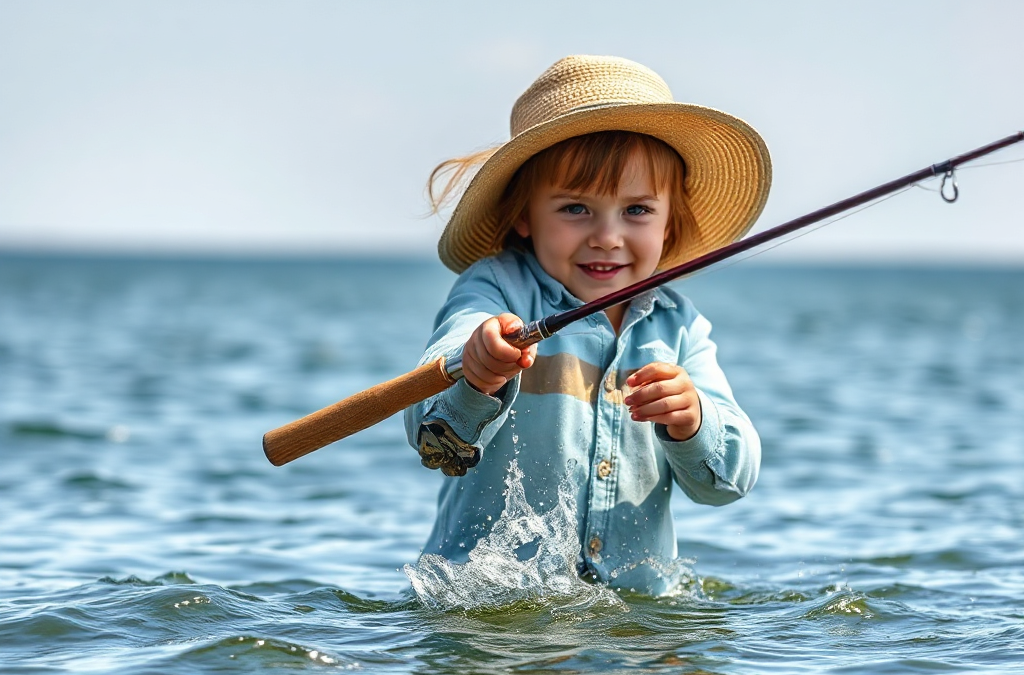
The best strategies for fishing with kids combine short activity periods, simple tackle, accessible water, clear safety rules, and realistic expectations about catching fish. Use a lightweight rod with a forgiving bobber rig, choose a spot with shade and nearby facilities, and let children handle age-appropriate tasks such as baiting, casting, or watching the float. Plan a backup activity because fish may not cooperate, and end the outing before heat, hunger, boredom, or frustration takes over. Adult supervision matters most near water, while barbless or covered hooks, sun protection, and properly fitted life jackets reduce preventable risks.
Build the Trip Around a Child’s Attention Span
A successful family fishing trip is designed around the child’s experience rather than an adult’s preferred number of hours on the water. Young anglers often move between intense curiosity and restlessness quickly, especially when they are waiting for a bite. A two-hour outing with frequent changes can be more productive socially than an all-day session spent beside a silent float.

Begin by choosing a location with easy shoreline access, a stable surface, shade, and a restroom or food option nearby when possible. A small pond, stocked community lake, or calm pier may be a better first setting than a remote riverbank. Moving water, steep banks, slippery rocks, and dense brush create extra supervision demands and leave fewer options when a child needs a break.
Set one or two modest goals before leaving. “We will learn to cast and look for bluegill” gives the outing a clear purpose without making a catch the only measure of success. Let children help select a snack, color, or lure from a limited set of safe options. That preparation creates ownership and gives them something to anticipate besides the bite.
Use short fishing blocks separated by movement. After several casts, invite the child to inspect the bobber, identify birds, count shoreline objects, or practice a different task. A common mistake is demanding stillness because adults associate fishing with patience. Quiet observation has value, but forcing a bored child to remain motionless usually turns fishing into a punishment. The practical test is simple: if the child is asking to leave repeatedly, switch activities or end on a positive note rather than waiting for frustration to peak.
These planning choices are central to the best strategies for fishing with kids because they match the outing to attention, mobility, weather, and access. A shorter trip that ends well is a stronger foundation for the next visit than an ambitious schedule that becomes exhausting.
Choose Tackle and Baits That Create Easy Wins
Simple, lightweight tackle gives children more control and reduces the physical effort required to participate. A short spinning rod with a manageable reel is often easier for a beginner than a baitcasting setup. Pair it with a small hook, a bobber, and a modest sinker appropriate for the species and local rules. The goal is not maximum casting distance; it is a rig the child can understand, see, and handle without constant adult correction.
A bobber provides visible feedback. When it dips, slides, or disappears, the child can recognize that something changed before learning to detect subtle pressure through the rod. Small pieces of natural bait, prepared dough bait where legal, or simple panfish offerings may produce more frequent opportunities than a complicated lure presentation. Check local regulations before using bait, keeping fish, or fishing in a particular area.
Rig the tackle before the trip and bring one spare leader or complete backup rig. Children are likely to snag vegetation, wrap line around a guide, or drop equipment. A backup prevents a minor problem from becoming the end of the outing. Store hooks in a closed container, and consider barbless hooks or carefully covered points when teaching on shore. Adults should handle cutting, hook removal, and any repair near a child’s hands.
Give the child a task that has a visible result. They might hold the rod while an adult adjusts the drag, place bait on a hook with direct supervision, or turn the reel handle after a fish is already secured. Avoid handing over a setup that is too heavy or too complicated and then criticizing the child for poor control. That approach confuses equipment difficulty with fishing ability.
There is a useful tradeoff between a lure and bait. Lures offer repeated casting and less mess, but they demand timing and movement that may challenge a beginner. Bait can create more waiting, odor, and cleanup, yet its simplicity often makes it suitable for a child focused on seeing a float move. Match the method to the child’s age, patience, and the species available instead of choosing equipment for an advanced angler.
Make Safety and Comfort Part of the Fishing Plan
Water safety begins before the first cast. Establish a clear boundary that a child may not cross without an adult, and position the child where footing is stable and the casting area is open. On a boat, dock, or fast-moving water, use a properly fitted life jacket suited to the child’s size and the activity. An adult should remain close enough to act immediately, not supervise from a distant chair while looking at a phone.
Hook control deserves special attention. Create a casting direction and a waiting position for anyone standing nearby. Children should look behind them before casting, and adults should pause the activity when another person enters the casting arc. Keep unused rods pointed safely, store spare hooks securely, and do not allow a child to run while holding tackle. If a hook becomes embedded, stop handling it casually and seek appropriate medical care rather than forcing a removal that could worsen the injury.
Heat, glare, insects, and hunger can end a trip faster than poor fishing. Bring drinking water, familiar snacks, sun protection, weather-appropriate clothing, and a dry change of clothes for younger children. Shade is more than a comfort feature: it gives the family a place to reset without leaving the location. Watch for signs of overheating, shivering, fatigue, or emotional overload, and treat them as reasons to pause or go home.
A frequent misconception is that safety instructions should be delivered once at the car. Children learn better when rules are brief and repeated at the moment they apply. Before casting, review the casting zone. Before approaching the water, review the boundary. Before touching a fish, demonstrate wet hands and gentle handling. Short reminders are more usable than a long lecture that the child forgets before reaching the bank.
Comfort also affects learning. A child who is cold, thirsty, or worried about slipping cannot concentrate on a reel or bobber. The best strategies for fishing with kids therefore treat clothing, access, supervision, and hook management as part of the fishing technique, not as separate concerns.
Use Simple Teaching Methods Without Taking Over
Teach one movement at a time and allow the child to repeat it before adding another correction. For a beginner, the first lesson might be opening the bail, pointing the rod toward a target, releasing the line, and stopping the reel. Demonstrate slowly, then let the child try while you offer one useful adjustment. Several simultaneous instructions about stance, wrist position, distance, and lure placement can overwhelm a new angler.
Choose a large, obvious target such as a floating marker or a patch of open water rather than demanding a precise cast beside cover. Accuracy can come later. If the child’s cast falls short, identify what happened in practical terms: the release came too early, the rod stopped too low, or the rig was difficult to load. Avoid labeling the attempt as bad. The point is to connect an action with a result the child can change.
Share control deliberately. An adult can make the first cast into a productive area, then hand the rod over for the retrieve or wait. On another turn, the child can cast while the adult manages the hook. This is safer and more engaging than either extreme: leaving a child alone with equipment they cannot manage or taking every cast because it is faster. A child who never gets meaningful control may watch fishing rather than learn it.

Use questions that direct attention without turning the trip into an exam. Ask whether the float moved sideways, whether the water is clear, or what a fish might find near weeds. When a fish bites, give the child time to notice the signal before grabbing the rod. If the fish is too strong or the hook is awkward, the adult can stabilize the situation while explaining the reason for stepping in.
Keep praise connected to an observable behavior: a careful cast, a safe hook handoff, a patient observation, or gentle fish handling. This makes progress visible even when the catch is small. A common failure mode is praising only fish size or quantity, which teaches children that the outing counts only when conditions cooperate. Fishing skills develop through repeated manageable decisions, not through one dramatic catch.
Handle Slow Action and Turn the Outing Into a Success
No strategy can guarantee a bite, so plan for slow action before arriving. Pack a compact backup activity that still relates to the setting, such as identifying shoreline plants, looking for tracks, practicing knot tying with thick cord, or keeping a simple nature log. These alternatives preserve the purpose of being outdoors without pretending that inactive water is exciting.
When the bite slows, change one variable at a time. Move a short distance, alter the bait depth, replace stale bait, or try a quieter presentation. Avoid changing everything at once because the child cannot tell which adjustment produced a result. If small fish are repeatedly stealing bait, use a slightly larger piece or reset the rig rather than blaming the child’s hookset. If there is no visible activity, a location change may be more useful than endless casting.
Explain the difference between a strategy failing and conditions being uncooperative. Wind, sunlight, water temperature, recent weather, and fishing pressure can influence activity, but children do not need a technical lecture to understand that fish are not machines. Say what you are checking and why: “The float is sitting too deep in the weeds, so we are moving to open water where it can be seen.” That explanation turns waiting into observation.
Set a departure signal in advance, such as finishing after the next fish, the next ten minutes, or the next snack. This avoids an adult extending the trip indefinitely in pursuit of a better result. If the child is tired or upset, leaving is often the strategic choice. A clean ending protects the memory of the outing and makes a return more likely.
- Working signs: the child asks questions, handles the rod willingly, notices water changes, and accepts short corrections.
- Failing signs: repeated unsafe movement, hunger, cold, arguments, or refusal to touch the equipment.
- Next move: provide food or shade, simplify the task, change location, or finish for the day.
Record what actually held the child’s attention: casting, baiting, wildlife, catching, or exploring. That note is more useful than copying an adult’s preferred routine. The next outing can then use a familiar strength while adding only one new challenge, which is a practical way to build confidence without making the trip feel like formal training.
Before visiting a new location, check the relevant state wildlife agency or local park authority for license rules, seasonal restrictions, permitted bait, access conditions, and water-safety notices. Those official details can change by location and should take priority over general fishing advice.
Frequently Asked Questions
What age is appropriate for a child’s first fishing trip?
There is no single best age. Choose a short, closely supervised outing when the child can follow simple safety instructions and comfortably handle the planned activity.
What is the easiest fishing setup for a beginner?
A lightweight spinning rod paired with a simple bobber rig is usually easier to understand than advanced lure or baitcasting equipment. Prepare the rig before arriving.
How long should children fish before taking a break?
Use short fishing periods and watch the child rather than a fixed clock. A break is useful when attention, comfort, or safe behavior begins to decline.
What should children do if no fish are biting?
Change one factor, such as depth, bait, or location, then use a related backup activity if the water remains inactive. Do not make catching the only goal.
How can adults prevent hook injuries?
Set a casting direction, keep bystanders outside the casting arc, secure spare hooks, and supervise every baiting, casting, and fish-handling step.
Further Reading
Authoritative Sources
- Academy of Nutrition and Dietetics
eatright.orgProfessional nutrition guidance, healthy eating resources, and practical dietitian-reviewed advice.
- U.S. Department of Agriculture
usda.govOfficial food, nutrition, agriculture, and consumer guidance from the USDA.
- NIH Office of Dietary Supplements
ods.od.nih.govResearch-based fact sheets on nutrients, supplements, dietary intake, and safety considerations.
- International Society of Sports Nutrition
sportsnutritionsociety.orgEvidence-informed sports nutrition resources and position stands for active people and athletes.
Conclusion
Family fishing works best when the outing is sized for the child, not stretched to match an adult’s schedule. Pick accessible water, use simple tackle with visible feedback, and make safety checks part of every transition from walking to casting to handling a fish. Prepare for slow action with a small backup plan, but change only one fishing variable at a time so the child can understand what happened. Give children real tasks while keeping adults responsible for hooks, unstable footing, and water hazards. A short trip that includes curiosity, comfortable breaks, and one manageable new skill is a better result than a long session built around catching a trophy. Use what held the child’s attention to shape the next visit.

