
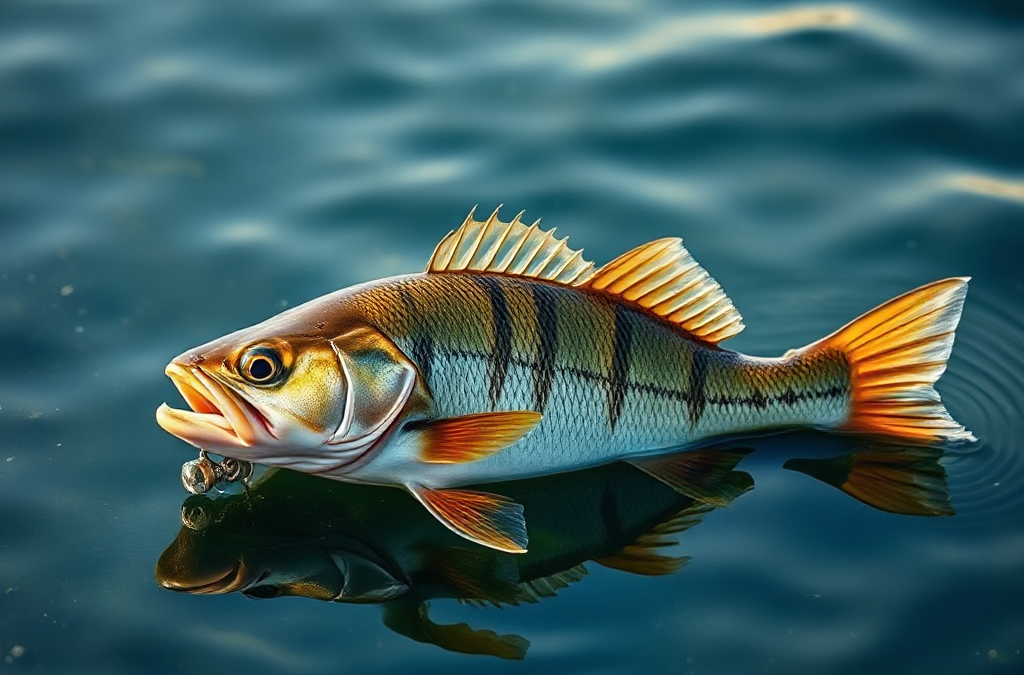
Adapt your bait for different fish species by matching its size, scent, movement, and placement to the food each species naturally hunts. Bass often respond to bulky, mobile offerings near cover, while trout may favor smaller insects, minnows, or drifting bait presented with little added movement. Catfish commonly key on strong scent and bottom access, whereas panfish usually take compact baits suspended at their feeding depth. Change one variable at a time, watch how fish react, and avoid using oversized or heavily scented bait in clear water where unnatural appearance can outweigh attraction.
Match Bait to Natural Food and Feeding Behavior
The most reliable bait change begins with the fish’s usual food, not with a package label or a favorite color. Species recognize prey through a combination of shape, vibration, smell, movement, and availability. A bait that resembles what is currently abundant gives the fish fewer reasons to reject it, especially in clear water or where angling pressure has made fish cautious.

Bass are opportunistic predators, so a larger plastic creature, crayfish imitation, minnow, or live offering can work when fish are near vegetation, rock, docks, or submerged timber. Their response often depends on whether they are actively chasing or holding tight to cover. A fast-moving bait may draw an aggressive fish from a distance, while a compact, slowly crawled bait is more suitable when the fish is conserving energy or guarding a specific area.
Trout usually demand a finer match. Insect activity, small baitfish, and drifting aquatic organisms can all influence bait choice. A small worm, insect imitation, egg pattern, or minnow may be useful, but the presentation must fit the water’s speed. A trout feeding in a current seam may take a bait that drifts naturally; dragging the same offering unnaturally across the bottom can make its artificial appearance obvious.
Catfish rely heavily on smell and taste, particularly when visibility is poor or feeding occurs along the bottom. Cut bait, worms, prepared bait, and other legal natural offerings may outperform a visually attractive lure when scent dispersal is the main locating signal. Panfish generally have smaller mouths and often feed on insects, larvae, small crustaceans, and tiny baitfish. A small piece of worm or a compact artificial bait under a float is usually more practical than a large presentation intended for bass.
A common mistake is treating all predators as if they hunt in the same way. A bass lure may be too large for bluegill, while a delicate trout bait may not create enough scent or size for channel catfish. Before changing products, identify whether the target is feeding by sight, vibration, smell, or a combination. That decision narrows the bait category and prevents random switching. For more species-specific adjustments, see how to adapt your bait for different fish species through food, habitat, and behavior rather than brand names.
Adjust Size, Scent, Color, and Texture
Bait size should reflect both the fish’s mouth and the available prey. Smaller is not automatically better: a large bass may ignore a tiny offering when it is focused on substantial forage, while a wary trout may refuse a bait that looks out of scale with nearby insects. Start with a size that fits the target’s normal food, then alter it when fish follow without striking, nip short, or show no response.
Size also changes hook placement and casting behavior. An oversized bait can hide the hook point, fall too quickly, or become difficult for a small fish to engulf. An undersized bait may cast poorly and fail to reach the feeding zone. For panfish, use a small exposed hook with a modest bait piece. For bass, rigging a soft bait so it remains weedless may be worth sacrificing some hook exposure around heavy cover. The best choice balances appearance, hookup potential, and the structure being fished.
Scent matters most when fish have time to inspect the offering or when visibility is limited. Catfish bait can benefit from a strong, persistent odor, but excess scent is not a substitute for placing the bait where fish travel. Trout and clear-water bass may respond better to a subtle natural odor than to a heavy chemical smell. Scented products can also attract unwanted species, soften a bait, or make handling unpleasant without improving the actual presentation.
Color should follow visibility and forage rather than superstition. Natural greens, browns, silvers, and muted tones often blend with insects, crayfish, and baitfish in clear conditions. Darker colors can create a stronger silhouette in dim water, while brighter colors may help fish locate a bait in stained water. These are starting points, not guarantees. If fish are present but only follow, changing profile or speed may be more productive than changing from one bright color to another.
Texture affects how natural bait feels when a fish mouths it. Soft plastics can encourage a longer hold, while firm bait may stay on the hook better during repeated casts. Natural bait can lose effectiveness when it becomes waterlogged, damaged, or washed of its scent. Check the bait after missed strikes: torn material, a bent hook, or a stripped worm may explain the failure better than species preference. The weak assumption to avoid is that a new color fixes every problem. Often the real issue is scale, hook exposure, or an offering that is moving outside the species’ normal feeding zone.
Change Presentation for Water, Depth, and Cover
Even a well-matched bait fails when it is delivered where the fish cannot or will not feed. Adapt the rig and retrieval to depth, current, water clarity, temperature, and cover. A bait suspended above vegetation reaches bluegill and bass holding over the weeds, while a bottom rig keeps a scent-based catfish offering near a feeding lane. Trout in moving water may require a drift that matches the current instead of a stationary bait on slack line.
Water clarity changes how much the fish can inspect. In clear water, reduce unnatural movement, use a more convincing profile, and avoid excessive hardware when possible. In stained water, vibration, contrast, and scent become more useful because the fish may locate the bait before seeing its details. A rattling or vibrating lure may call a bass from cover, but a subtle live bait presentation can be better when fish are close enough to examine it.
Depth is often the first practical adjustment after a fish stops biting. Panfish may suspend several feet above the bottom, making a bait that rests below them irrelevant. Bass can move from shallow cover to deeper edges as light or temperature changes. Catfish may follow a channel, drop-off, or soft-bottom area rather than roam evenly across a lake. Use a float, split shot, slip sinker, jig head, or weighted rig according to the depth and current, then make small changes rather than repeatedly replacing bait.
Cover demands a compromise between access and natural action. A weedless rig reduces snagging and allows a bait to enter places where fish feel secure, but it may slightly limit hook exposure. An exposed hook improves penetration in open water yet catches vegetation and wood. Around rocks, a compact bait with a durable hook setup can keep contact with the bottom without constantly wedging into cracks.
Consider a simple scenario: a bass follows a minnow imitation to the boat but turns away. If the water is clear, speeding up may worsen the problem. Downsizing, adding a pause near cover, or switching to a less reflective profile may make the bait appear less threatening. By contrast, a catfish that ignores a stationary bait in a featureless area may need a better location or scent trail, not a different flavor. The common failure is changing several variables at once, which prevents you from learning whether depth, movement, or bait type caused the response.
Use a Species-Specific Bait Decision Process
A practical bait decision process starts with the target species and ends with a controlled test. Identify the fish, inspect the immediate habitat, and look for clues such as insects on the surface, baitfish activity, crayfish near rocks, or bottom-feeding signs. Local regulations may restrict certain live baits, fish species used as bait, or methods of collection, so check the applicable state or provincial rules before fishing.
Use the following order when conditions are uncertain:
- Choose the food category: insects, worms, minnows, crayfish, or scent-based natural bait.
- Set the scale: select a size the target can eat and that resembles available forage.
- Match the signal: emphasize sight, vibration, scent, or a quiet natural drift.
- Reach the feeding zone: adjust depth, weight, float position, and distance from cover.
- Change one variable: record the response before replacing the entire setup.
Species overlap makes this process more useful than rigid bait charts. A small minnow can attract trout, crappie, bass, and other predators, but hook size, depth, and movement determine which fish can take it effectively. A worm may catch panfish, trout, bass, and catfish, yet the amount used and the way it is presented should change with each target. Adapt the terminal setup even when the bait itself stays the same.

Read the response as evidence. A bait that is struck but missed may need a smaller hook, better hook exposure, or a slower pause. A bait that draws follows may be too fast, too large, too bright, or moving at the wrong depth. No activity after a reasonable search suggests checking location and depth before assuming the bait is wrong. Fish behavior can change with weather, water level, forage movement, and fishing pressure, so yesterday’s successful bait is only a starting point.
Beginners often carry too many bait types and make decisions by novelty. A smaller selection used methodically produces clearer information. Carry one natural-looking option, one scent-oriented option where legal and appropriate, and one active search bait suited to the target. After a short test, change the presentation before abandoning the entire category. That measured approach makes how to adapt your bait for different fish species a repeatable on-water skill rather than a guessing exercise.
Avoid Common Bait Adaptation Mistakes
The most damaging mistake is confusing attraction with compatibility. Strong scent may draw attention but cannot compensate for a bait sitting outside the fish’s feeding depth. Bright color may improve visibility but make the offering look unnatural in clear water. A realistic bait may still fail if its action is too fast for inactive fish or too slow for a species that expects escaping prey.
Hooking is another overlooked variable. Natural bait should remain secure without being threaded so heavily that the hook point disappears. Artificial bait should be rigged straight when its action depends on a clean fall or wobble. A crooked soft plastic can spin, rise unnaturally, or foul the hook. Check the bait after every strike, snag, or long drift; small damage can change movement enough to matter.
Do not assume that more bait is better. A large wad of worm may appeal to catfish but overwhelm a small panfish hook. Too much cut bait can mask the hook or fail to move scent into the current. Conversely, a tiny bait may be difficult for a large fish to locate. Match quantity to the fish’s mouth, the current, and the intended signal.
When conditions change, prioritize the variable most likely to control the result. Move deeper if fish have left the shallows, reduce profile when fish are inspecting but refusing, add scent when visibility is poor and the target uses smell, or increase movement when active predators are chasing. Change bait type only after the delivery system has been tested. This prevents wasted time and keeps the evidence from each cast useful.
For local bait restrictions, species identification, and habitat information, consult your state or provincial fish and wildlife agency, fisheries management department, or local extension service. Those sources provide the most relevant rules and regional guidance for legal bait use.
Frequently Asked Questions
Should bait size match the size of the fish?
Match bait size primarily to the available forage and the fish's mouth, not just its body length. Large predators may target small prey, while smaller fish may struggle with an oversized offering.
When should scent be added to bait?
Use scent when the target relies strongly on smell, visibility is poor, or the bait is presented slowly near the bottom. Scent cannot replace correct depth or location.
What bait works for several fish species?
Worms and small minnows can appeal to several species, but adjust hook size, weight, depth, and movement for bass, trout, panfish, or catfish.
What does it mean when fish follow but do not strike?
Try reducing speed, downsizing, changing color or profile, or adding a pause. A follow also may indicate that the bait is at the wrong depth or looks unnatural at close range.
How often should bait be changed?
Change bait after checking location, depth, movement, and hook condition. If fish show no reaction, alter one variable at a time so the result reveals what improved or weakened the presentation.
Further Reading
Authoritative Sources
- Academy of Nutrition and Dietetics
eatright.orgProfessional nutrition guidance, healthy eating resources, and practical dietitian-reviewed advice.
- U.S. Department of Agriculture
usda.govOfficial food, nutrition, agriculture, and consumer guidance from the USDA.
- NIH Office of Dietary Supplements
ods.od.nih.govResearch-based fact sheets on nutrients, supplements, dietary intake, and safety considerations.
- International Society of Sports Nutrition
sportsnutritionsociety.orgEvidence-informed sports nutrition resources and position stands for active people and athletes.
Conclusion
Adapting bait successfully means matching more than a species name. Begin with the food the fish are likely using, then adjust size, texture, scent, color, depth, and movement to fit the habitat and water clarity. Bass may need a mobile bait near cover, trout often reward a convincing drift, catfish depend more on scent and bottom access, and panfish require a compact offering at the right level. Treat every missed strike or follow as information. Check the hook and bait condition, change one variable, and keep notes on the response. A simple, controlled process will usually outperform carrying many unrelated options and switching them without a clear reason.

