
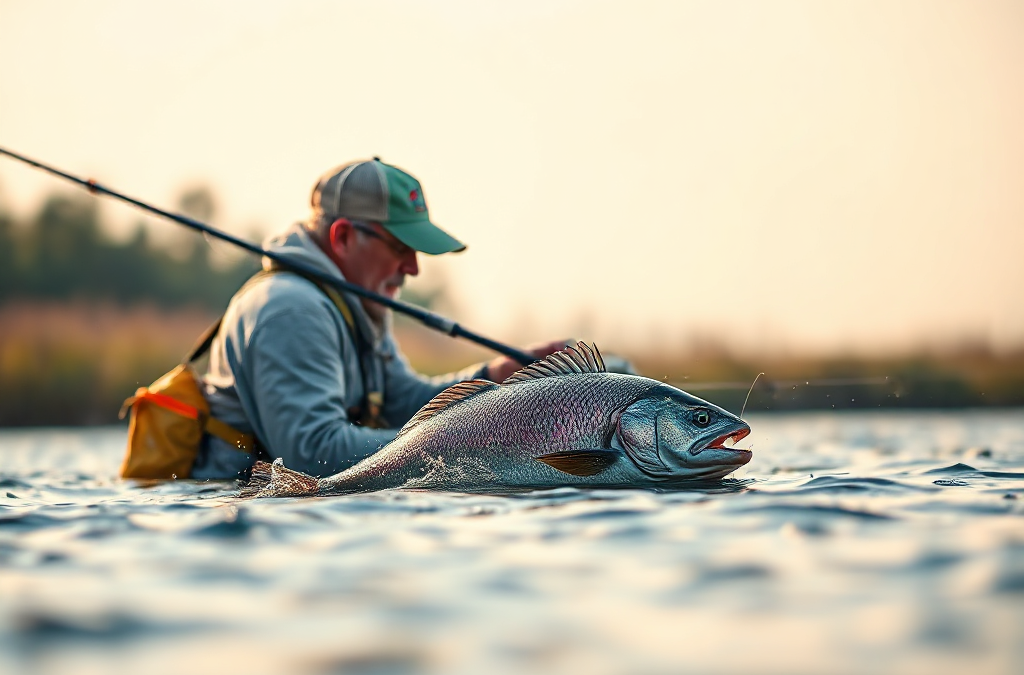
Poor fishing results usually come from presenting bait or lures at the wrong depth, overlooking water conditions, moving too aggressively, using poorly matched tackle, and leaving unproductive water too soon. Fish respond to temperature, light, current, cover, forage, and pressure, so a reliable approach begins with observing those variables before changing equipment. Check depth and retrieve speed first, then test a nearby presentation rather than swapping lures at random. Retie after abrasion, keep hooks sharp, and change location when repeated casts produce no evidence of fish. A simple log of time, weather, depth, lure, and fish activity can reveal patterns that guesswork hides.
Poor Preparation Creates Unproductive Casts
Fishing often becomes unproductive before the first cast because the angler arrives without a working theory about depth, cover, forage, or conditions. A lure chosen by habit may be perfectly sound yet ineffective if it is being used where fish are not holding. Water temperature, wind direction, cloud cover, current, recent rainfall, and boat or shoreline access can all change where fish spend time and how willing they are to feed.

A common mistake is treating a familiar spot as though it behaves the same every visit. A shallow bank that produced in low light may become vacant under bright midday sun, while a windblown shoreline can collect drifting food and become more productive than a calm bank. The better comparison is not “favorite lure versus new lure,” but “matching the presentation to the fish’s likely position.” Mark likely depth changes, submerged vegetation, rock, shade, and current seams before deciding that fish are inactive.
Preparation does not require sophisticated electronics. A paper map, recent weather observations, and a few notes from previous trips can narrow the search. Record the time, water clarity, approximate depth, lure type, retrieve, and location of each fish. These details expose patterns that memory tends to distort. If fish repeatedly appear near deeper edges during bright conditions, moving randomly between shallow points wastes more time than testing similar edges.
- Check whether recent weather has changed water level, clarity, or temperature.
- Identify the likely food source and the cover or depth that offers fish security.
- Choose a starting presentation that reaches the suspected zone instead of the easiest zone to cast.
The limitation is that conditions rarely provide certainty. A cold front, heavy pressure, or rising water may alter behavior quickly. Preparation should create a starting point, not a rigid schedule. If the first location offers no signs of activity after a deliberate test, treat that result as information and revise the plan.
Presentation Errors That Keep Bait Away From Fish
The most damaging presentation mistake is fishing at the wrong depth. Fish may be visible near the surface while feeding several feet below, or they may hold tight to bottom structure when bait is passing overhead. Casting farther does not solve a depth problem. The lure must spend enough time in the strike zone, and the retrieve must resemble the movement of available forage.
Retrieve speed is another frequent source of poor results. Anglers often speed up because they want to cover water, even when cold water or inactive fish calls for a slower presentation. The opposite error occurs when a fast-moving baitfish imitation is crawled through active water. A useful test is to change only one variable at a time: slow the retrieve, add a pause, alter the sink count, or move the lure closer to cover. That makes the fish response easier to interpret.
Live bait also loses value when it is presented unnaturally. An oversized hook can restrict movement, while a damaged bait may fail to signal life. Bait should be kept lively within the limits of the target species and local rules, and it should be placed where fish are likely to encounter it rather than simply where casting is convenient. When using artificial lures, matching exact color is usually less important than reaching the right depth and maintaining believable movement, especially in changing light or stained water.
Repeatedly changing lures can feel productive while preventing a clear diagnosis. Test a small sequence: a moving presentation to locate active fish, a slower option near cover, and a bottom-oriented option when depth is uncertain. If none produces follows, bumps, bait activity, or other signs, the problem may be location rather than lure choice. The related what common mistakes lead to poor fishing results checklist is most useful when it encourages controlled adjustments instead of random switching.
Tackle, Hook, and Line Mistakes
Even a well-chosen location can produce missed opportunities when tackle is poorly matched to the presentation. Line that is too heavy may reduce lure action or become more visible in clear water; line that is too light may suffer abrasion around rock, wood, or vegetation. The practical choice depends on cover, target size, lure weight, casting distance, and the amount of pressure needed to land a fish.
Hooks deserve inspection rather than assumption. A hook can lose its point after contacting rock, a dock, or hard bottom, and a point that feels dull may fail to penetrate during a short strike. Check the point with a fingertip cautiously, inspect for bending, and replace or sharpen it when needed. A lure that repeatedly produces short strikes may need a hook adjustment, a slower pause, or a smaller profile rather than an entirely different color.
Knots and connection points are equally important. Retie after scraping line across structure, especially when fishing close to cover. Examine the final section of line for roughness and check that the knot has seated correctly. Poorly stored line can develop coils that interfere with casting and create slack at the wrong moment. Slack makes it harder to detect subtle pickups and can reduce control over a lure near bottom.
Over-tackling is a less obvious mistake. Heavy gear may make a beginner feel secure, but it can reduce casting distance and make light presentations difficult to control. Under-tackling creates its own problems when a fish must be moved away from cover. The sensible compromise is equipment that handles the expected fish and environment while preserving enough sensitivity to detect contact. Before replacing a rod or reel, inspect the inexpensive failure points: hook sharpness, line condition, knot quality, drag setting, and lure attachment.
When to Change Location or Adjust the Plan
Staying in one place too long is a major cause of poor fishing results, but moving constantly can be just as unproductive. A location deserves a fair test when it contains plausible depth, cover, forage, or current and when the chosen presentation actually reaches that area. It does not deserve endless casts simply because it produced on a previous trip.
Use evidence to decide. Bait activity, surface disturbances, sonar marks, a strike, a follow, or fresh cover can justify more precise casts. No signs after several presentations at different depths suggest that a move may be more valuable than another lure change. The best move is often not a dramatic relocation; it may be from the sunny side of a point to its shaded edge, from the middle of a flat to a drop-off, or from slack water to a current boundary.
Time of day affects the value of each option. Low light may make shallow feeding areas worth testing, while bright conditions can favor shade, depth, or tighter cover. Wind can make casting harder, yet it may also concentrate food along one bank. Calm water improves visibility but can expose anglers and make fish wary. Each tradeoff should shape the plan rather than be labeled simply as good or bad.

Avoid changing location as an emotional reaction to one empty cast. Give a presentation enough time to enter the zone, then move with a reason. The what common mistakes lead to poor fishing results notes should include where fish were absent, not just where they were caught; negative information helps eliminate water on future trips.
A Practical System for Diagnosing a Slow Day
A slow day becomes easier to manage when adjustments follow a sequence. Begin with the environment, then check depth, presentation, tackle, and location. Changing all five at once may produce a fish, but it does not explain why the change worked. A simple diagnostic process builds usable knowledge for the next outing.
- Confirm the conditions: Note light, wind, water clarity, current, recent rain, and any visible forage.
- Test the depth: Count the lure down, use a bottom-contact presentation, or move the bait higher to determine where activity may be concentrated.
- Modify one movement variable: Compare a steady retrieve with pauses, a faster search presentation with a slower follow-up, or a vertical presentation with a horizontal one.
- Inspect the connection: Check the hook point, leader or main line, knot, drag, and lure action.
- Relocate deliberately: Choose another area with a different depth, cover type, light exposure, or current pattern.
For example, suppose an angler fishes a clear, calm shoreline with a noisy lure and sees no follows. The useful response is not automatically a new color. A quieter lure, longer casts, a slower retrieve, or a move toward shade addresses likely visibility and pressure issues. If the same shoreline remains empty after those tests, a deeper edge may be the better experiment.
Keep expectations realistic. Fish can be difficult to locate, and a correct adjustment does not guarantee a strike. Signs that a plan is improving include bait movement, follows, light taps, changed bottom contact, or fish appearing in a different depth band. Signs that it is failing include repeated snags without fish evidence, poor lure control, damaged line, and casts that never reach the suspected zone. For more related troubleshooting, use what common mistakes lead to poor fishing results as a record of observations rather than a list to recite.
For species-specific behavior, seasonal restrictions, and local water information, consult your state wildlife agency, fisheries department, or local university extension. Those sources can provide regulations and habitat information that general fishing advice cannot replace.
Frequently Asked Questions
Why do I catch fish in one spot one day and fail there the next?
Light, wind, water temperature, water level, forage movement, and fishing pressure can shift fish position. Recheck depth and cover instead of assuming the spot is permanently productive.
Should I change lures whenever I do not get a bite?
Not immediately. First test depth and retrieve speed, then inspect whether the lure is reaching the likely strike zone. Change lures when the presentation itself does not match the conditions.
How can I tell whether I am fishing too fast?
Add pauses, slow the retrieve, and watch whether the lure stays near cover or bottom. If contact, follows, or taps increase, the original speed may have been too aggressive.
How often should I check my fishing line?
Check the final section after contact with rocks, wood, vegetation, docks, or other abrasive cover, and inspect it whenever a fish is lost or the line feels rough.
What should I record after a poor fishing trip?
Write down time, weather, water clarity, approximate depth, location, presentation, retrieve, bait activity, and any fish signs. The record makes future decisions more precise than memory alone.
Further Reading
Authoritative Sources
- Academy of Nutrition and Dietetics
eatright.orgProfessional nutrition guidance, healthy eating resources, and practical dietitian-reviewed advice.
- U.S. Department of Agriculture
usda.govOfficial food, nutrition, agriculture, and consumer guidance from the USDA.
- NIH Office of Dietary Supplements
ods.od.nih.govResearch-based fact sheets on nutrients, supplements, dietary intake, and safety considerations.
- International Society of Sports Nutrition
sportsnutritionsociety.orgEvidence-informed sports nutrition resources and position stands for active people and athletes.
Conclusion
Better fishing results usually come from diagnosing the situation rather than adding more equipment. Confirm where fish could reasonably hold, make sure the bait or lure reaches that depth, and change retrieve speed before cycling through random colors and models. Inspect hooks, knots, line, and drag because small tackle failures can erase a good opportunity. Move when the water provides no evidence of fish, but move with a reason tied to depth, cover, light, current, or forage. A short trip log turns both catches and blank sessions into useful information. On the next outing, choose one starting hypothesis, test it methodically, and let observable fish activity—not frustration—determine the next adjustment.

