
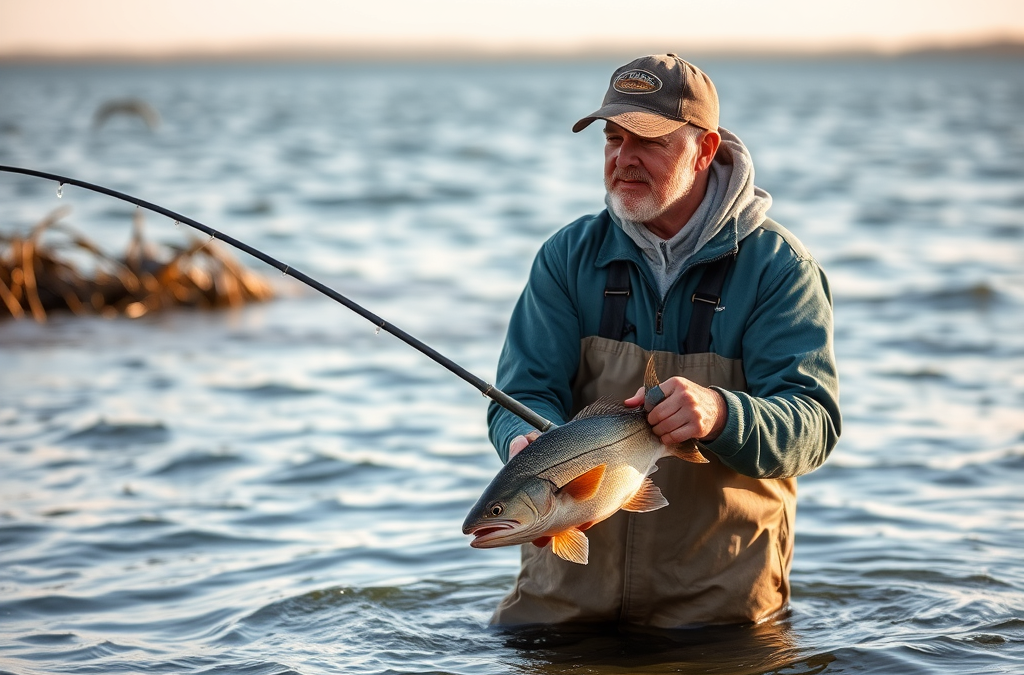
To fish in tidal waters successfully, focus on understanding tidal patterns, selecting the right bait, and using appropriate gear. Tides affect fish behavior, making specific times optimal for fishing. Use lighter tackle for smaller species and heavier gear for larger fish, while also considering local regulations and seasonal variations to enhance your chances of a good catch.
Understanding Tides and Their Impact on Fishing
Tides are critical to fishing in tidal waters as they influence fish behavior and feeding patterns. Understanding how tides work will help you determine the best times to fish. Tides are caused by the gravitational pull of the moon and sun, leading to regular fluctuations in water levels. These changes can create ideal habitats for various fish species, with incoming tides often bringing in food and attracting fish to shallower areas.

During high tide, fish may move closer to shore, while low tide can cause them to retreat into deeper waters. Knowing the specific tidal cycles in your fishing area can greatly improve your catch rate. For example, many anglers find that fishing during the first hour of an incoming tide is particularly effective, as fish are actively feeding.
Moreover, understanding the local ecosystem and which species are present during different tidal phases can help you tailor your fishing approach. For instance, species like striped bass and flounder may have distinct preferences for specific tidal conditions, making it essential to adapt your strategy accordingly.
Understanding Tides and Their Impact on Fishing matters because it turns fish in tidal waters successfully from a broad idea into a decision the reader can actually apply. The practical difference usually shows up in the details: how much is needed, when the choice is made, what tradeoff is acceptable, and what sign shows the approach is working. For nutrition topics, the strongest advice connects portion size, food quality, timing, and recovery instead of treating every meal as a fixed serving.
A useful way to handle this section is to compare the normal baseline with the situation that creates extra demand. If fish is the baseline concern, then tidal becomes the adjustment point and tides becomes the outcome to watch. That keeps the advice specific without forcing the reader into a rigid formula that may not fit their routine, budget, tolerance, schedule, or current level of experience.
The most common mistake is changing too many variables at once. A better approach is to choose one measurable adjustment, use it consistently long enough to see a pattern, and then refine the next step based on energy, comfort, performance, safety, or reliability. This makes the guidance easier to trust because the reader can connect the recommendation to what they observe rather than guessing from a generic checklist.
The practical takeaway is to make the section actionable: identify the main constraint, choose the smallest useful change, and compare the result against the goal. When the outcome improves, the reader can keep the approach. When it does not, the next change should target the most likely bottleneck rather than repeating the same step with more effort.
Choosing the Right Equipment for Tidal Fishing
When fishing in tidal waters, selecting the right gear is crucial for a successful outing. The type of fishing rod, reel, and line you choose can impact your ability to land fish in varying conditions. Generally, a medium to heavy action rod is recommended for tidal fishing as it provides better control and strength against the current.
Your reel should be durable, preferably a spinning or baitcasting reel with a high gear ratio to handle quick retrieves. Braided line is often favored in tidal conditions due to its sensitivity and strength, allowing you to detect subtle bites. A 20-30 lb test line is typically appropriate for most tidal species, but adjusting this based on the size of the fish you are targeting is important.
Additionally, consider using a fishing tackle box that includes a variety of weights and hooks. The current can vary greatly in tidal waters, and having the right sinkers will help keep your bait at the desired depth. Lastly, always ensure your equipment is suited for saltwater if you’re fishing in brackish or oceanic tidal areas to avoid corrosion and damage.
Choosing the Right Equipment for Tidal Fishing matters because it turns fish in tidal waters successfully from a broad idea into a decision the reader can actually apply. The practical difference usually shows up in the details: how much is needed, when the choice is made, what tradeoff is acceptable, and what sign shows the approach is working. For technology topics, the strongest advice connects the user goal, system constraint, maintenance burden, and measurable outcome.
A useful way to handle this section is to compare the normal baseline with the situation that creates extra demand. If tidal is the baseline concern, then fishing becomes the adjustment point and fish becomes the outcome to watch. That keeps the advice specific without forcing the reader into a rigid formula that may not fit their routine, budget, tolerance, schedule, or current level of experience.
Bait Selection and Techniques for Tidal Waters
Choosing the right bait is essential when fishing in tidal waters. Live bait such as shrimp, minnows, or crabs often works best as they mimic natural prey, attracting fish effectively. However, artificial lures can also be highly effective, especially during specific tidal phases when fish are actively hunting.
When using live bait, ensure it matches the local forage species to enhance effectiveness. For instance, if baitfish are prevalent in the area, using a small live minnow will likely yield better results. Additionally, consider the water clarity and depth when selecting your bait; darker colors may be more effective in murky waters, while brighter colors can stand out in clear conditions.
Techniques such as bottom fishing, drifting, or casting near structures like jetties and bridges can increase your chances of success. Experimenting with different retrieval speeds and patterns can also help you find what works best for the species you are targeting. Remember that fish behavior can change with the tides, so be prepared to adapt your approach as necessary.
Bait Selection and Techniques for Tidal Waters matters because it turns fish in tidal waters successfully from a broad idea into a decision the reader can actually apply. The practical difference usually shows up in the details: how much is needed, when the choice is made, what tradeoff is acceptable, and what sign shows the approach is working. For technology topics, the strongest advice connects the user goal, system constraint, maintenance burden, and measurable outcome.
A useful way to handle this section is to compare the normal baseline with the situation that creates extra demand. If fish is the baseline concern, then tidal becomes the adjustment point and waters becomes the outcome to watch. That keeps the advice specific without forcing the reader into a rigid formula that may not fit their routine, budget, tolerance, schedule, or current level of experience.
Timing Your Fishing Trips with Tidal Movements
Timing is everything fishing in tidal waters. Understanding the lunar cycle and its impact on tidal movements can help you plan your fishing trips for optimal success. Many anglers prefer to fish during the new moon and full moon phases, as these times often result in stronger tides and increased fish activity.
Monitoring local tide charts will provide you with valuable information on when to expect high and low tides. For example, fishing during the last hour of outgoing tide or the first hour of incoming tide is often recommended, as this is when fish are most likely to be feeding. Additionally, be aware that weather conditions can also affect tides and fish behavior, so always check the forecast before heading out.

Lastly, keep a fishing log to track your experiences, noting the tides, times, and conditions when you have the most success. Over time, this can help you identify patterns and improve your overall fishing strategy in tidal waters.
Timing Your Fishing Trips with Tidal Movements matters because it turns fish in tidal waters successfully from a broad idea into a decision the reader can actually coordinate. The practical difference usually shows up in the details: how much is needed, when the choice is made, what tradeoff is acceptable, and what sign shows the approach is working. The strongest advice connects the decision, the constraint, the tradeoff, and the signal that shows whether the approach is working.
A useful way to handle this section is to compare the normal baseline with the situation that creates extra demand. If fish is the baseline concern, then tidal becomes the adjustment point and fishing becomes the outcome to watch. That keeps the advice specific without forcing the reader into a rigid formula that may not fit their routine, budget, tolerance, schedule, or current level of experience.
Frequently Asked Questions
What is the best time to fish in tidal waters?
The best times to fish in tidal waters are during the first hour of an incoming tide and the last hour of an outgoing tide.
What type of bait works best in tidal waters?
Live bait such as shrimp, minnows, or crabs are often the most effective in tidal waters, though artificial lures can also be successful.
How do tides affect fish behavior?
Tides influence fish movement and feeding, often making fish more active during changing water levels, especially around high and low tides.
What equipment do I need for tidal fishing?
A medium to heavy action rod, a durable reel, and a strong braided line are recommended for fishing in tidal waters.
How can I track my fishing success in tidal waters?
Keeping a fishing log to note tides, times, and conditions can help you identify patterns and improve your fishing strategy over time.
Further Reading
Authoritative Sources
- Academy of Nutrition and Dietetics
eatright.orgProfessional nutrition guidance, healthy eating resources, and practical dietitian-reviewed advice.
- U.S. Department of Agriculture
usda.govOfficial food, nutrition, agriculture, and consumer guidance from the USDA.
- NIH Office of Dietary Supplements
ods.od.nih.govResearch-based fact sheets on nutrients, supplements, dietary intake, and safety considerations.
- International Society of Sports Nutrition
sportsnutritionsociety.orgEvidence-informed sports nutrition resources and position stands for active people and athletes.
Conclusion
Fishing in tidal waters requires an understanding of tidal patterns, appropriate equipment, and strategic planning. By focusing on the right times to fish, selecting effective bait, and adapting your techniques to the changing conditions, you can significantly enhance your chances of success. Always be prepared to adjust your approach based on the specific behaviors of the fish and the nuances of your local tidal environment.

